Building resilience off-grid living is about more than just surviving away from city infrastructure—it’s about thriving, adapting, and creating a lifestyle that can weather challenges, from unpredictable weather to supply chain disruptions. As more people seek independence and sustainability, the ability to adapt and bounce back becomes a core skill for anyone living off the land.
Whether you’re just starting your journey or looking to strengthen your existing setup, this guide explores practical strategies for developing self-reliance, ensuring resource security, and fostering a mindset that can handle the unexpected. For those interested in expanding their knowledge, exploring self-sufficient homestead ideas can provide additional inspiration and actionable steps.
Understanding Resilience in Remote Living
At its core, resilience for those living off the grid means having the systems, skills, and mindset to cope with change and recover from setbacks. This could involve anything from power outages and crop failures to unexpected expenses or equipment breakdowns. The goal is to minimize dependency on external systems and maximize your ability to adapt.
Key elements of a resilient lifestyle include:
- Resource diversity—multiple sources for water, food, and energy
- Redundancy—backup systems for critical needs
- Adaptability—willingness and ability to change plans as needed
- Community connections—support networks for sharing skills and resources
Essential Systems for Sustainable Independence
Creating a robust off-grid homestead requires careful planning and ongoing maintenance of essential systems. Here are the main areas to focus on for long-term success:
Reliable Water Management
Water is non-negotiable. A resilient setup often includes a combination of rainwater harvesting, wells, and stored reserves. Filtration and purification systems ensure safety, while redundancy—such as having both manual and electric pumps—protects against equipment failure.
Energy Solutions for Off-Grid Resilience
Powering your home independently means balancing solar, wind, or micro-hydro with backup generators or battery banks. Regular maintenance and monitoring are crucial. For a deeper dive into eco-friendly strategies, see sustainable off-grid living for a greener future.
Food Security and Self-Sufficiency
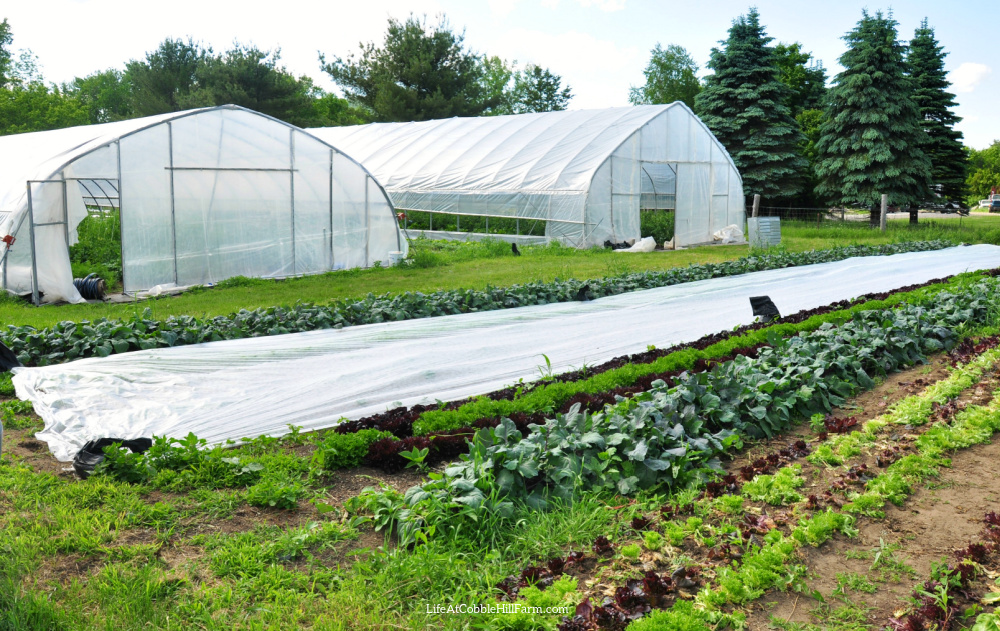
Growing your own food is central to off-grid resilience. This includes annual gardens, perennial crops, fruit trees, and livestock. Preserving harvests through canning, drying, or fermenting extends your food supply through lean seasons. For more on reducing your ecological impact, explore the carbon footprint of off-grid living.
Waste Management and Sanitation
Effective waste handling is vital for health and environmental protection. Composting toilets, greywater systems, and responsible trash disposal keep your homestead clean and sustainable. These systems should be easy to repair and adaptable to changing needs.
Building Skills for Adaptability
Knowledge is a key asset in any resilient lifestyle. The more skills you develop, the less reliant you are on outside help. Practical skills for off-grid dwellers include:
- Basic carpentry and repairs
- Gardening and seed saving
- Animal husbandry
- Food preservation techniques
- First aid and emergency preparedness
Regularly practicing and updating these skills ensures you’re ready to tackle new challenges as they arise. For those interested in regenerative approaches, regenerative living off-grid offers insights into going beyond sustainability.
Mindset and Community: The Human Side of Resilience
Emotional and mental flexibility are just as important as physical resources. Living off the grid can be isolating, but building connections with neighbors and like-minded communities provides support, knowledge sharing, and even bartering opportunities.
Developing a growth mindset—viewing setbacks as learning opportunities—helps you stay positive and proactive. Celebrate small wins and stay open to new ideas, whether it’s trying a new gardening technique or learning from others’ experiences.
Reducing Environmental Impact
A resilient homestead is also an environmentally responsible one. Choosing renewable energy, minimizing waste, and using eco-friendly homesteading practices not only protect your land but also ensure long-term viability.
For more comprehensive advice, the off-grid living guide from Briggs & Stratton offers practical tips on energy, water, and daily life away from the grid.
Frequently Asked Questions
What are the most important skills for resilience off-grid living?
Essential skills include gardening, basic construction, food preservation, water management, and first aid. These abilities allow you to handle daily needs and unexpected challenges without relying on outside help.
How do I make my off-grid home more resilient to power outages?
Diversify your energy sources by combining solar, wind, or hydro with battery storage and a backup generator. Regular maintenance and having manual alternatives for critical systems, like water pumps, increase your ability to cope with outages.
How can I connect with others for support and knowledge sharing?
Join local homesteading groups, attend workshops, and participate in online forums. Building relationships with neighbors and nearby communities can provide valuable support, resources, and opportunities for bartering or skill exchanges.