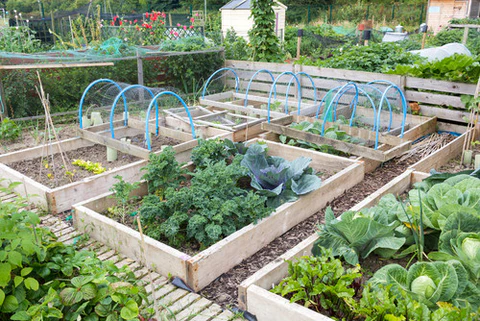
Creating a lush, space-saving garden on a wall or fence is an excellent way to maximize your growing area, especially if you have limited outdoor space. Vertical gardening allows you to cultivate herbs, vegetables, flowers, and even small fruits in a compact footprint, making it ideal for balconies, patios, and small yards. This guide will walk you through the essential steps and considerations for setting up your own upright planting system, from choosing the right location and materials to selecting suitable plants and maintaining your living wall.
If you’re new to gardening in tight spaces, you might also find value in exploring how to start a small-space garden for more foundational tips and inspiration.
Why Choose a Vertical Garden?
Opting for a vertical growing system offers several advantages. First, it makes the most of limited ground area, allowing you to grow more plants in less space. Second, it can improve air circulation around your plants, reducing the risk of disease. Third, a living wall can act as a natural privacy screen or decorative feature, enhancing the look of your home or yard. Finally, vertical gardens are often easier to maintain, as they reduce the need for bending or kneeling.
For those interested in maximizing productivity in small areas, check out this detailed resource on small-space vegetable gardening.
Planning Your Upright Garden: Key Considerations
Before you begin, take time to plan your project. Consider the following factors to ensure success:
- Location: Choose a spot that receives adequate sunlight for your chosen plants. South-facing walls are ideal for most vegetables and herbs.
- Support Structure: Decide whether you’ll use a wall, fence, freestanding frame, or hanging system. The structure must be sturdy enough to support the weight of soil, plants, and water.
- Watering Needs: Vertical gardens tend to dry out faster than traditional beds. Plan for efficient watering, such as drip irrigation or self-watering containers.
- Plant Selection: Pick species that thrive in your climate and are suitable for vertical arrangements. Leafy greens, strawberries, herbs, and compact flowers are popular choices.
- Accessibility: Ensure you can easily reach all parts of the garden for planting, pruning, and harvesting.
For a deeper dive into the basics of homesteading and sustainable gardening, you may find this article on homesteading principles for beginners helpful.
Essential Materials and Tools
Gathering the right supplies will make the process smoother. Here’s what you’ll typically need:
- Containers or Planters: Options include fabric grow bags, plastic pots, wooden pallets, or specially designed vertical planters.
- Mounting Hardware: Hooks, brackets, or shelves to secure containers to your chosen surface.
- Potting Mix: Use a high-quality, lightweight mix that retains moisture but drains well.
- Plants or Seeds: Select varieties based on your light conditions and preferences.
- Watering System: Consider drip irrigation, watering cans, or self-watering planters for convenience.
- Fertilizer: Liquid or slow-release fertilizers help maintain healthy growth in confined spaces.
- Basic Tools: Trowel, pruners, gloves, and a watering can.
Step-by-Step Instructions for Setting Up a Vertical Garden
Follow these steps to create your own upright planting system at home:
- Choose Your Structure: Select a wall, fence, or freestanding frame. Make sure it’s strong enough to support your containers when filled with soil and plants.
- Install Mounting Hardware: Attach shelves, hooks, or brackets as needed. If using a pallet or modular system, secure it firmly to prevent tipping.
- Prepare Containers: Fill each planter with potting mix, leaving about an inch at the top for watering. If using fabric grow bags, ensure they are properly supported.
- Arrange Planters: Hang or stack containers on your structure, starting from the bottom and working upward. Make sure each level receives enough light and water.
- Plant Your Selections: Place seedlings or seeds in each container, following spacing recommendations for each species.
- Water Thoroughly: Give your new garden a deep watering, ensuring moisture reaches all levels. Monitor regularly, as vertical gardens dry out quickly.
- Maintain and Harvest: Check plants daily for water, pests, and growth. Prune as needed and harvest crops when ready.
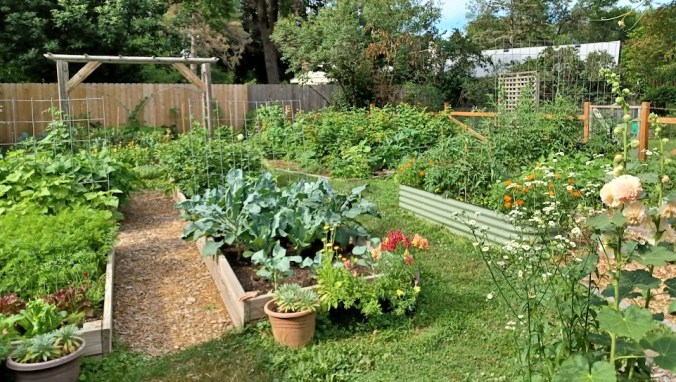
Best Plants for Vertical Gardening
Not all plants are equally suited for upright growing systems. Here are some of the best options to consider:
- Leafy Greens: Lettuce, spinach, kale, and Swiss chard thrive in vertical planters and can be harvested multiple times.
- Herbs: Basil, parsley, cilantro, mint, and thyme are compact and do well in containers.
- Strawberries: These berries produce well in hanging pockets or stacked pots.
- Compact Vegetables: Radishes, baby carrots, and bush beans are good choices for small spaces.
- Flowers: Nasturtiums, pansies, and petunias add color and attract pollinators.
For more advice on cultivating edibles in limited areas, see this comprehensive guide on how to grow food in small spaces.
Tips for Maintaining Your Vertical Planting System
Keeping your upright garden healthy requires regular attention. Here are some practical maintenance tips:
- Monitor Moisture: Check soil daily, especially during hot weather. Water from the top and ensure all levels are moist.
- Fertilize Regularly: Nutrients can leach out quickly in vertical setups. Use a balanced liquid fertilizer every few weeks.
- Prune and Harvest: Remove dead leaves and spent flowers to encourage new growth. Harvest crops frequently to promote continued production.
- Watch for Pests: Inspect plants for aphids, spider mites, and other pests. Treat promptly with organic solutions if needed.
- Rotate Plants: If possible, rotate containers to ensure even light exposure and prevent leggy growth.
Composting can also help recycle plant waste and enrich your soil. Beginners may benefit from this small-space composting guide.
Common Mistakes and How to Avoid Them
While setting up a vertical garden is straightforward, a few common pitfalls can hinder your success:
- Overcrowding: Planting too densely can reduce airflow and increase disease risk. Follow recommended spacing guidelines.
- Poor Drainage: Ensure containers have drainage holes to prevent waterlogging and root rot.
- Neglecting Sunlight: Some areas of your structure may receive less light. Choose shade-tolerant plants for these spots.
- Underwatering: Upright gardens dry out faster than ground beds. Set a watering schedule and use mulch to retain moisture.
- Ignoring Structural Support: Heavy containers need secure mounting. Check brackets and fasteners regularly.
Frequently Asked Questions
What are the easiest plants to grow in a vertical garden?
Leafy greens like lettuce and spinach, herbs such as basil and parsley, and strawberries are among the easiest and most productive choices for upright growing systems. These plants adapt well to containers and require minimal maintenance.
How do I water a vertical garden efficiently?
Drip irrigation systems or self-watering planters are effective for keeping soil consistently moist. If watering by hand, start at the top and allow water to trickle down to lower levels. Check soil moisture frequently, especially during hot or dry periods.
Can I build a vertical garden indoors?
Yes, many upright planting systems work well indoors, provided you have adequate light. Use LED grow lights to supplement natural sunlight, and choose compact, shade-tolerant plants for best results.
Conclusion
Building a vertical garden is a rewarding way to grow more food or flowers in a small space. By planning carefully, choosing the right materials, and maintaining your system, you can enjoy a thriving, productive living wall throughout the growing season. For those interested in expanding their homesteading skills, exploring resources on how to raise chickens in small spaces or other sustainable practices can further enhance your self-sufficiency journey.