Urban living and limited outdoor areas don’t have to stop you from enjoying fresh, homegrown fruit. With the right strategies and a bit of planning, you can cultivate a productive fruit garden even in the smallest of spaces. This guide will walk you through practical methods, smart plant choices, and essential tips for maximizing yields in compact environments. Whether you have a balcony, patio, or just a sunny windowsill, learning how to grow fruit in small spaces can transform your home and diet.
We’ll cover container gardening, vertical solutions, fruit varieties suited for tight quarters, and maintenance routines that keep your mini-orchard thriving. If you’re new to gardening or want to optimize your existing setup, you’ll find actionable advice and resources to help you succeed.
For a step-by-step approach to starting your own compact garden, check out how to start a small-space garden for additional guidance and inspiration.
Choosing the Right Fruit Varieties for Compact Gardens
Success with limited gardening space starts by selecting fruit types that naturally thrive in containers or small beds. Look for dwarf, bush, or patio varieties, as these are bred for restricted root zones and manageable growth. Strawberries, blueberries, figs, and certain citrus trees are excellent options. Many apples, cherries, and peaches are available in columnar or dwarf forms, making them ideal for balconies and patios.
- Strawberries: Perfect for hanging baskets and window boxes.
- Blueberries: Compact bushes that do well in pots with acidic soil.
- Dwarf citrus: Lemons, limes, and mandarins can be grown indoors or outdoors in containers.
- Figs: Adaptable to pots and tolerant of pruning.
- Columnar apples and cherries: Grow vertically and require minimal ground space.
When choosing your plants, consider sunlight requirements and pollination needs. Some fruit trees require a companion for cross-pollination, while others are self-fertile. Always check plant tags or consult local nurseries for the best varieties for your climate and space.
Container Gardening: The Foundation of Small-Space Fruit Production
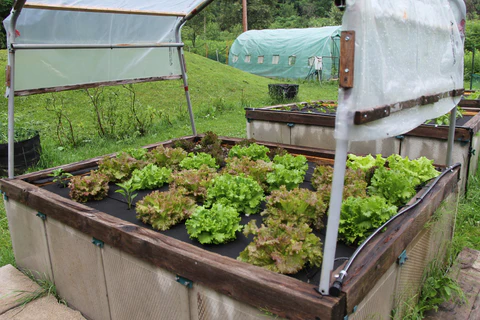
Growing fruit in containers is one of the most effective ways to make use of limited areas. Containers allow you to control soil quality, move plants to optimize sunlight, and prevent root spread from becoming unmanageable. Here are some key tips for container fruit gardening:
- Choose the right container: Use pots or grow bags that are large enough for mature root systems. For trees and bushes, a minimum of 15-20 gallons is recommended.
- Ensure proper drainage: Good drainage prevents root rot. Use containers with holes and add a layer of gravel if needed.
- Use high-quality soil: A mix designed for fruit or vegetables, enriched with compost, supports healthy growth.
- Water consistently: Containers dry out faster than ground soil. Check moisture regularly, especially during hot weather.
- Feed regularly: Fruiting plants are heavy feeders. Use a balanced, slow-release fertilizer or supplement with liquid feeds during the growing season.
For more details on maximizing your edible harvests in tight quarters, see this helpful resource on how to grow food in small spaces.
Vertical Gardening Techniques for Fruit Production
Making use of vertical space is a smart way to multiply your growing area. Trellises, wall-mounted planters, and hanging baskets allow you to grow more fruit without expanding your footprint. Here are some effective vertical gardening methods for small areas:
- Trellising: Train vining fruits like raspberries, blackberries, or even grapes up sturdy supports.
- Espalier: Shape apple, pear, or fig trees flat against a wall or fence, saving space and improving sun exposure.
- Hanging baskets: Perfect for strawberries or trailing tomatoes, these can be suspended from railings or hooks.
- Stacked planters: Use tiered containers or wall-mounted pockets for herbs and compact berry bushes.
Vertical gardening not only conserves space but also improves air circulation and light exposure, which can lead to healthier plants and better fruit set. For a comprehensive overview of maximizing vertical and horizontal space, explore this small-space vegetable gardening guide.
Soil, Compost, and Fertility in Limited Areas
Healthy soil is the backbone of productive fruit plants, especially when space is at a premium. In containers and raised beds, it’s crucial to use a rich, well-draining mix. Adding compost improves structure, moisture retention, and nutrient content. If you want to create your own compost even in a small apartment or patio, refer to this small-space composting guide for practical tips.
- Refresh container soil annually to prevent nutrient depletion.
- Top-dress with compost or worm castings during the growing season.
- Use organic mulches to retain moisture and suppress weeds.
- Monitor for signs of deficiencies and supplement with appropriate fertilizers as needed.
Consistent feeding and good soil management will keep your fruit plants productive year after year, even in the most compact settings.
Maintenance Tips for Thriving Fruit Plants in Small Spaces
Keeping fruit plants healthy in restricted areas requires regular attention. Here are essential maintenance practices for success:
- Pruning: Regularly trim to control size, improve air flow, and encourage fruiting wood.
- Pest and disease management: Monitor closely, as problems can spread quickly in dense plantings. Use organic controls when possible.
- Pollination: Some fruit plants need help with pollination, especially indoors. Gently shake branches or use a soft brush to transfer pollen.
- Seasonal care: Move containers to sheltered spots during extreme weather. Protect from frost or intense heat as needed.
By staying proactive with care, you’ll enjoy a steady supply of fresh fruit even from a small balcony or patio.
Expanding Your Knowledge and Resources
Learning from experienced growers and exploring new techniques can help you make the most of your available space. For those interested in a broader approach to self-sufficiency, this comprehensive homesteading guide covers everything from food production to sustainable living. Integrating fruit, vegetables, and even small livestock is possible, even in urban settings.
For those considering adding backyard chickens to their small homestead, see this article on how to raise chickens in small spaces for legal and humane tips.
Frequently Asked Questions
What are the easiest fruits to grow in containers?
Strawberries, blueberries, dwarf citrus (such as lemons and limes), figs, and compact apple or cherry trees are all well-suited to container growing. Choose varieties labeled as dwarf, patio, or columnar for best results in limited areas.
How much sunlight do fruit plants need in small spaces?
Most fruiting plants require at least 6–8 hours of direct sunlight daily. If your space is shaded, consider using LED grow lights to supplement natural light and ensure healthy growth and fruit production.
Can I grow fruit indoors or on a balcony?
Yes, many fruit plants can thrive indoors or on balconies with adequate light, proper containers, and regular care. Dwarf citrus, strawberries, and figs are popular choices. Ensure good drainage and rotate plants for even sun exposure.
How do I maximize yields in a small fruit garden?
Use vertical gardening techniques, choose high-yielding and compact varieties, maintain soil fertility, and prune regularly. Consistent watering and feeding are also key to maximizing harvests in tight spaces.