Making the shift to a self-reliant lifestyle away from traditional utilities is a major decision that requires careful planning, research, and a willingness to adapt. For many, transitioning to off-grid life means embracing a simpler, more sustainable way of living—one that offers independence but also comes with unique challenges. Whether you’re motivated by environmental concerns, a desire for self-sufficiency, or the appeal of rural tranquility, understanding what lies ahead is essential for a successful move.
Before diving into the practicalities, it’s helpful to learn from others who have already made the leap. Reading about off-grid living success stories can provide inspiration and valuable insights into the realities of this lifestyle. Connecting with experienced homesteaders can also help you avoid common pitfalls and set realistic expectations.
Essential Considerations for Leaving the Grid
Moving toward a more independent lifestyle involves more than just finding a remote property. Here are some of the most important factors to consider as you prepare for this journey:
- Location and Land Selection: The right property is the foundation of your new life. Consider climate, access to water, soil quality, and proximity to essential services. Research local zoning laws and building codes to ensure your plans are feasible.
- Water Supply: Reliable water is non-negotiable. Options include wells, rainwater harvesting, and nearby streams or ponds. Assess the quality and year-round availability before making any commitments.
- Energy Independence: Most off-grid homes rely on solar, wind, or micro-hydro systems. Calculate your expected energy needs and budget for batteries, inverters, and backup generators. Maintenance and seasonal variability should also be factored in.
- Waste Management: Plan for septic systems, composting toilets, and responsible greywater disposal. Proper waste handling is crucial for health and environmental protection.
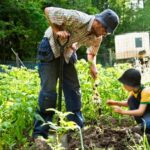
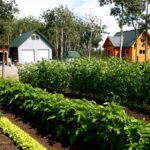
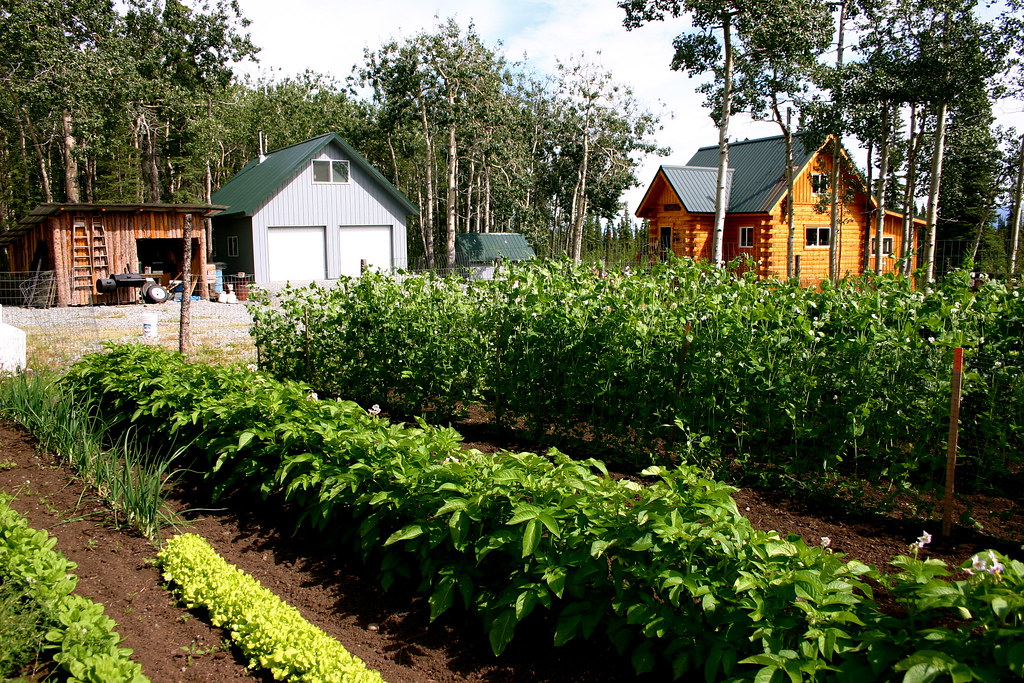
- Food Production: Growing your own food and raising animals can greatly enhance self-sufficiency. Start small and expand as your skills and resources grow.
Planning Your Move to a Self-Sufficient Lifestyle
The process of transitioning to off-grid life is best approached in stages. Here’s a practical roadmap to help you get started:
- Assess Your Needs and Goals: Define what “off-grid” means for you. Some people want total independence, while others are comfortable with partial reliance on public utilities.
- Build Skills Gradually: Learn about gardening, basic carpentry, animal husbandry, and renewable energy systems before making the move. Hands-on experience is invaluable.
- Create a Financial Plan: Initial setup costs can be significant. Budget for land, infrastructure, tools, and ongoing maintenance. Consider ways to generate income remotely if needed.
- Test the Waters: Try extended stays at your chosen property or volunteer at established homesteads. This can help you identify gaps in your knowledge and adjust your expectations.
For those making this change with loved ones, it’s wise to discuss expectations and responsibilities early on. If you’re interested in the dynamics of communal living, check out this resource on off-grid living with family.
Land, Shelter, and Infrastructure Basics
Securing a suitable plot is only the first step. Building or renovating a home that meets your needs—and stands up to the elements—is equally important. Consider these key points:
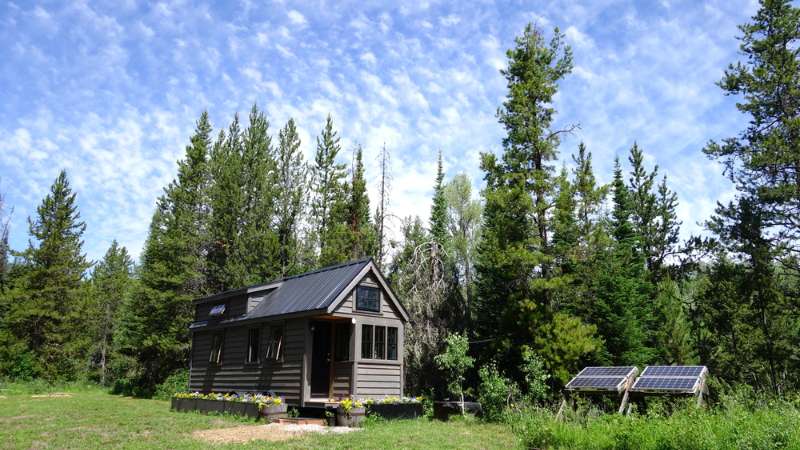
- Off-Grid Housing: Options range from tiny homes and cabins to yurts and earthships. Prioritize insulation, ventilation, and durability.
- Water Systems: Install rainwater catchment, filtration, and storage. Regularly test water quality, especially if relying on surface sources.
- Power Solutions: Solar panels are the most popular choice, but wind and hydro can supplement your energy mix. Invest in quality components and learn basic troubleshooting.
- Heating and Cooking: Wood stoves, propane, and solar ovens are common. Choose methods that suit your climate and available resources.
Food Security and Sustainable Living
Growing your own produce and raising livestock are central to a resilient homestead. Start with manageable projects and expand as you gain confidence. Raised beds, greenhouses, and permaculture techniques can maximize yields and extend your growing season.
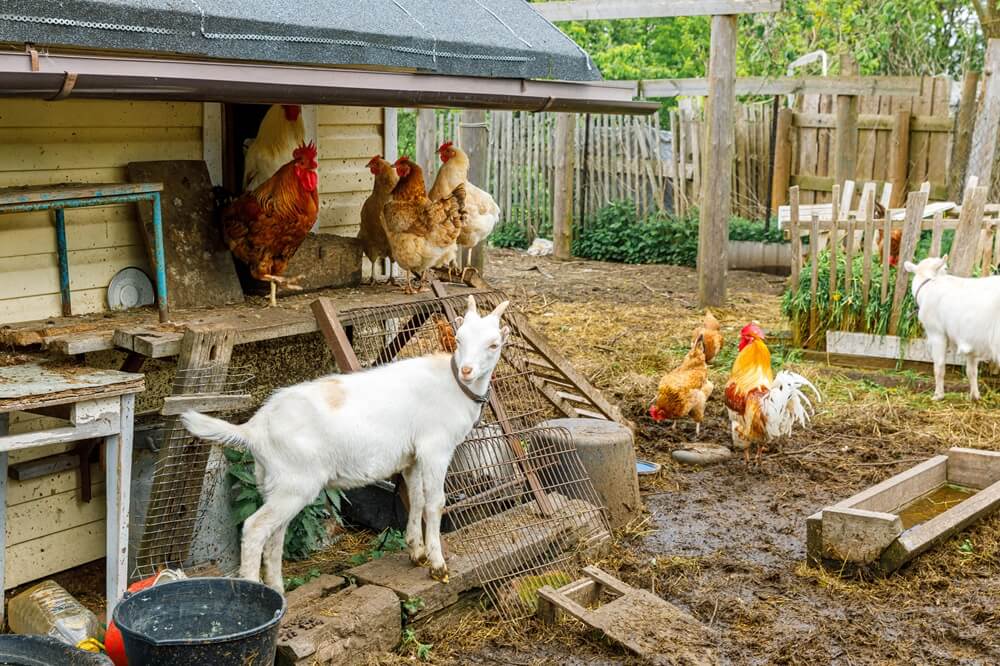
Keeping animals such as chickens, goats, or rabbits can provide eggs, milk, and meat. Be sure to research local regulations and invest in secure shelters to protect your animals from predators and harsh weather.
For more tips on overcoming obstacles, explore the article on challenges of off-grid living and practical solutions.
Managing Health, Wellbeing, and Community
Adapting to a new lifestyle can be both rewarding and demanding. Physical labor, isolation, and unpredictable weather can take a toll. Prioritize your mental health off-grid living by establishing routines, staying connected with friends and family, and seeking support when needed.
Building relationships with neighbors and local communities can provide a safety net in emergencies and foster a sense of belonging. Sharing resources, trading skills, and participating in local events can enrich your experience and help you thrive.
Reducing Your Environmental Impact
One of the main appeals of this lifestyle is the opportunity to minimize your carbon footprint. By generating your own energy, managing waste responsibly, and growing food sustainably, you can significantly reduce your impact on the planet. For a deeper dive into this topic, see the guide to the carbon footprint off-grid living.
For a comprehensive list of supplies and advice, the off-grid living essentials guide offers a detailed overview of what you’ll need to get started.
Frequently Asked Questions
What are the biggest challenges when moving away from traditional utilities?
Some of the most common difficulties include securing a reliable water source, managing power generation and storage, dealing with waste, and adjusting to a new pace of life. Weather extremes and isolation can also be tough, especially during the first year. Preparation, research, and building a support network can help ease the transition.
How much does it cost to set up an off-grid homestead?
Costs vary widely depending on location, land prices, the type of home you build, and the systems you install. Initial expenses can range from a few thousand to several hundred thousand dollars. It’s important to budget for ongoing maintenance, repairs, and unexpected needs.
Can you live off-grid with a family?
Yes, many families successfully make this change together. It requires teamwork, clear communication, and a willingness to share responsibilities. Children can benefit from hands-on learning and a close connection to nature, but it’s important to plan for education, healthcare, and socialization.
Final Thoughts
Embracing a lifestyle away from the grid is a rewarding journey that offers freedom, sustainability, and a closer connection to nature. With careful planning, realistic expectations, and a commitment to ongoing learning, you can build a thriving, resilient homestead. Take the time to research, connect with others, and start small—your path to self-sufficiency can be as unique as you are.