As interest in eco-friendly lifestyles grows, more people are exploring sustainable off-grid living as a way to reduce their environmental impact and gain independence from traditional utilities. This approach combines renewable energy, efficient resource management, and a deep respect for nature to create a lifestyle that is both resilient and environmentally responsible. Whether you’re considering a complete transition or simply want to adopt greener habits, understanding the principles and practicalities of living off the grid can help you make informed decisions for a more sustainable future.
Before diving into the core strategies, it’s important to recognize that embracing this lifestyle involves careful planning, adaptability, and a willingness to learn. From managing energy and water to growing your own food, each aspect contributes to a holistic system that supports both people and the planet. If you’re curious about the financial aspects, you can find a detailed breakdown in our guide on cost of off-grid homesteading.
Key Principles of Eco-Friendly Off-Grid Homes
At its core, a sustainable off-grid lifestyle is about minimizing reliance on external systems and maximizing self-sufficiency. This means generating your own energy, sourcing water responsibly, and managing waste in ways that protect the environment. The following principles are central to creating a resilient and low-impact homestead:
- Renewable energy (solar, wind, or hydro) powers daily life without depleting natural resources.
- Water is harvested, filtered, and conserved to ensure a reliable supply year-round.
- Food is grown organically, often using permaculture or regenerative agriculture methods.
- Waste is composted, reused, or recycled to minimize landfill contributions.
- Buildings are designed for energy efficiency, using natural materials and passive heating/cooling.
For those starting out, understanding financing an off-grid homestead can help you plan your transition and avoid common pitfalls.
Generating Clean Energy for Independence
One of the most significant steps toward a greener lifestyle is producing your own power. Solar panels are the most popular choice, but wind turbines and micro-hydro systems can also be effective, depending on your location. By investing in renewable energy, you reduce your carbon footprint and gain freedom from rising utility costs.
When designing an off-grid energy system, consider:
- The average daily energy consumption for your household.
- Seasonal changes in sunlight or wind availability.
- Battery storage capacity to ensure power during cloudy or calm periods.
- Backup options, such as generators, for emergencies.
Many off-grid homes also incorporate energy-efficient appliances and LED lighting to stretch their resources further. Smart management of energy use is crucial for maintaining comfort and reliability.
Water Management and Conservation Strategies
Reliable water access is essential for any homestead. Most off-grid properties rely on a combination of rainwater harvesting, wells, and natural springs. To ensure sustainability, it’s important to use water efficiently and protect local sources from contamination.
- Install rainwater catchment systems with proper filtration for drinking and irrigation.
- Use greywater recycling for gardens and landscaping.
- Choose low-flow fixtures and composting toilets to reduce overall consumption.
- Monitor usage and regularly maintain pumps, tanks, and filters.
For a deeper dive into the financial side of water and utility setup, our article on off-grid living on a budget offers practical tips for saving money while building a resilient system.
Growing Food and Raising Animals Sustainably
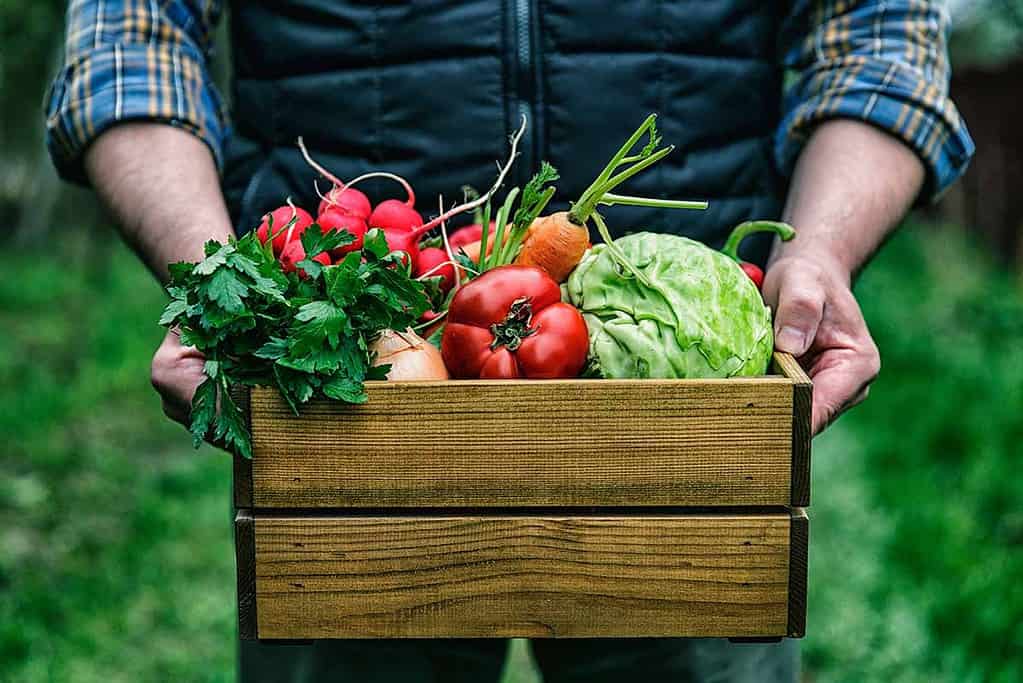
Producing your own food is a cornerstone of sustainable off-grid living. Many homesteaders use raised beds, greenhouses, and permaculture techniques to maximize yields and minimize inputs. By focusing on organic practices, you can avoid synthetic chemicals and build healthy soil for long-term productivity.
- Start with easy-to-grow crops like leafy greens, root vegetables, and herbs.
- Rotate crops and use cover crops to maintain soil fertility.
- Compost kitchen and garden waste to create natural fertilizer.
- Consider raising chickens, goats, or bees for eggs, milk, and pollination.
Investing in quality infrastructure, such as raised beds and smart chicken coops, can make food production more efficient and enjoyable. For more insights on legal considerations, review our resource on off-grid homestead laws.
Building Materials and Home Design for Sustainability
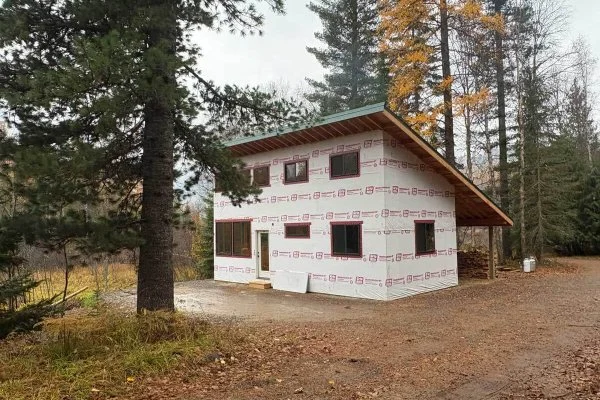
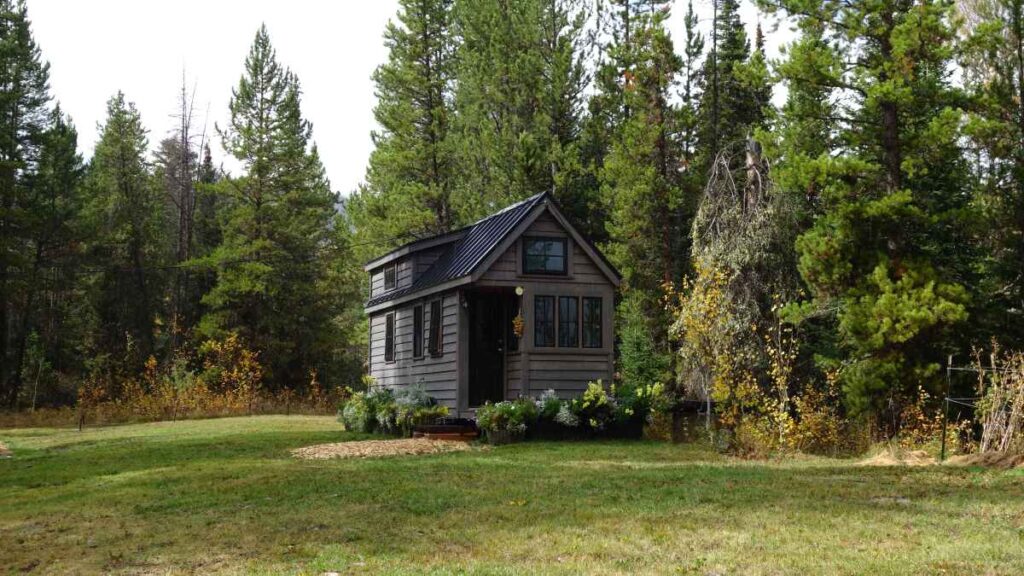
The design and construction of your home play a significant role in reducing environmental impact. Many off-grid dwellings use locally sourced, natural materials like straw bale, cob, or reclaimed wood. Passive solar design, proper insulation, and strategic window placement can help maintain comfortable temperatures year-round with minimal energy use.
- Choose materials with low embodied energy and high durability.
- Incorporate thermal mass to stabilize indoor temperatures.
- Use overhangs, shade trees, and ventilation for natural cooling.
- Plan for future expansion or adaptation as needs change.
For those new to this approach, learning about the basics of homesteading and off-grid living can provide valuable context and inspiration.
Legal and Financial Considerations for Off-Grid Lifestyles
Before making the leap, it’s crucial to research local regulations and plan your finances carefully. Zoning laws, building codes, and utility easements can all affect your ability to live independently. Understanding sustainable off-grid living from a legal and economic perspective will help you avoid costly surprises.
- Check local ordinances regarding water rights, septic systems, and alternative energy.
- Budget for initial setup costs and ongoing maintenance.
- Explore grants, loans, or community programs that support sustainable development.
- Stay informed about property taxes and exemptions for renewable energy systems. For more, see our article on taxes for off-grid properties.
Benefits and Challenges of Living Off the Grid
Choosing this path offers numerous rewards, including reduced environmental impact, greater self-reliance, and a closer connection to nature. However, it also comes with challenges such as initial investment, learning curves, and the need for ongoing maintenance. By embracing a mindset of adaptability and continuous learning, you can overcome obstacles and enjoy the many advantages of a more sustainable lifestyle.
- Benefits: Lower utility bills, improved health from homegrown food, and a sense of accomplishment.
- Challenges: Upfront costs, regulatory hurdles, and the need for technical skills.
Frequently Asked Questions
What are the first steps to start living sustainably off the grid?
Begin by researching your local climate, available resources, and legal requirements. Prioritize energy and water systems, and start small with food production. Gradually add infrastructure as you gain experience and confidence.
How much does it cost to set up an off-grid homestead?
Costs vary widely depending on location, size, and chosen technologies. Expenses include land, building materials, renewable energy systems, water infrastructure, and tools. For a detailed analysis, see our guide on cost of off-grid homesteading.
Can you live off-grid and still have modern comforts?
Yes, many people enjoy modern amenities such as internet, refrigeration, and hot water while living off the grid. The key is to balance comfort with efficiency and to choose technologies that align with your sustainability goals.