Growing your own vegetables is possible even if you have limited outdoor space. Small-space vegetable gardening offers a practical solution for urban dwellers, renters, and anyone with a compact yard, balcony, or patio. With the right strategies, you can harvest fresh produce from containers, raised beds, or even vertical planters. This guide covers essential tips, space-saving techniques, and the best crops for tight areas, making it easier to start your own productive mini-garden.
If you’re just beginning, you might also find value in learning how to start a small-space garden step by step, which covers planning and setup in detail.
Why Try Compact Vegetable Gardening?
Gardening in small areas has become increasingly popular as more people seek ways to grow food at home, even without a traditional backyard. The benefits go beyond just saving space:
- Fresh, homegrown produce at your fingertips
- Lower grocery bills and reduced food waste
- Opportunities for creative design and use of vertical space
- Less physical labor compared to large plots
- Greater control over soil quality and pests
Many find that cultivating vegetables in containers or raised beds can be more manageable and rewarding. For those interested in a broader approach to self-sufficiency, exploring what is small-space homesteading can provide additional inspiration and practical ideas.
Choosing the Right Location for Your Mini-Garden
The success of your compact vegetable patch depends on selecting the best possible spot. Most edible plants require at least six hours of direct sunlight daily. Balconies, patios, rooftops, and even sunny windowsills can all be transformed into productive growing areas.
- Observe sunlight patterns throughout the day before setting up.
- Ensure easy access to water for regular irrigation.
- Consider wind protection, especially on high balconies or rooftops.
- Check weight limits for decks or balconies if using heavy containers.
Best Containers and Beds for Limited Spaces
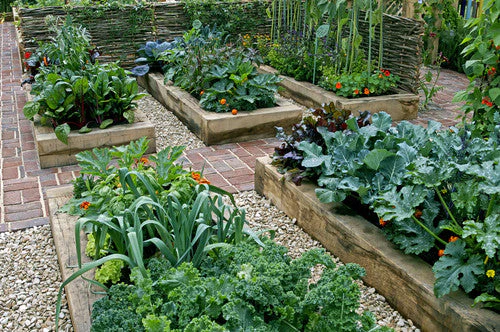
Small-space vegetable gardening relies heavily on the right containers and raised beds. These options allow you to maximize productivity while keeping plants healthy and accessible.
Popular Container Types
- Fabric grow bags: Lightweight, breathable, and easy to move.
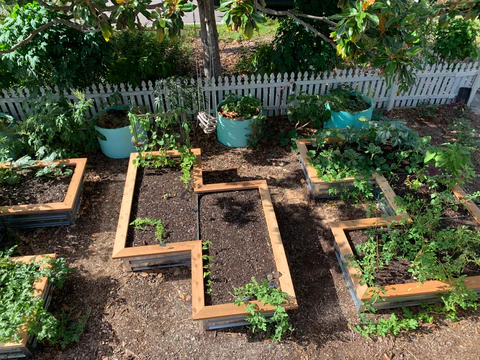
- Galvanized metal or plastic raised beds: Durable and ideal for patios or rooftops.
- Traditional pots: Choose large sizes for root crops and tomatoes.
- Vertical planters: Stackable or wall-mounted for maximizing vertical space.
Make sure containers have drainage holes and use high-quality potting mix for best results. For more practical advice, check out these small-space homesteading tips to help you get started.
Soil, Fertility, and Watering in Tight Areas
Healthy soil is essential for productive crops, especially when gardening in containers or raised beds. Use a blend of compost, peat moss or coconut coir, and perlite or vermiculite for drainage. Regularly replenish nutrients with organic fertilizers or compost tea.
- Water more frequently, as containers dry out faster than ground beds.
- Mulch the surface to retain moisture and suppress weeds.
- Monitor for signs of nutrient deficiency and adjust feeding as needed.
Top Crops for Small-Space Vegetable Gardening
Some vegetables are especially well-suited for compact gardens. Choose varieties bred for containers or bush growth habits to maximize your harvest.
- Leafy greens: Lettuce, spinach, kale, and arugula grow quickly and can be harvested repeatedly.
- Herbs: Basil, parsley, cilantro, and chives thrive in pots and window boxes.
- Tomatoes: Look for dwarf or patio varieties.
- Peppers: Both hot and sweet types do well in containers.
- Radishes and baby carrots: Fast-growing and require little space.
- Bush beans and peas: Compact and productive with minimal support.
For more on the advantages of this approach, see the benefits of small-space homesteading and how it can fit any lifestyle.
Space-Saving Techniques and Vertical Solutions
Making the most of every inch is key in a compact garden. Try these methods to boost your yield:
- Grow vertically using trellises, wall-mounted planters, or hanging baskets.
- Interplant fast-growing crops with slower ones to maximize succession.
- Use tiered shelves or plant stands to increase growing area.
- Choose compact or trailing varieties for containers.
For those interested in scaling up, this guide to small-scale homesteading offers additional ideas for making the most of limited resources.
Maintenance and Troubleshooting in Compact Gardens
Keeping a small vegetable patch healthy is generally easier than managing a large one, but a few challenges are unique to tight spaces:
- Monitor for overcrowding, which can lead to disease and poor airflow.
- Check containers regularly for pests like aphids or spider mites.
- Rotate crops and refresh soil between seasons to prevent nutrient depletion.
- Use natural pest control methods, such as neem oil or insecticidal soap, to minimize chemical use.
If you’re just starting out, you might appreciate this resource on how to start small-space homesteading from scratch, which covers everything from planning to harvest.
Frequently Asked Questions
What vegetables grow best in small containers?
Leafy greens, herbs, radishes, bush beans, and dwarf tomatoes are among the best choices for small pots or grow bags. These crops have shallow roots and compact growth habits, making them ideal for limited areas.
How often should I water my container vegetables?
Containers tend to dry out faster than ground beds. Most vegetables need watering once a day during hot weather, but always check soil moisture first. Mulching can help retain water and reduce the frequency needed.
Can I grow vegetables indoors if I don’t have outdoor space?
Yes, many vegetables and herbs can be grown indoors with adequate sunlight or supplemental LED grow lights. Choose compact varieties and ensure good drainage and airflow to prevent disease.
Conclusion
With a bit of planning and creativity, anyone can enjoy the rewards of small-space vegetable gardening. Whether you’re working with a balcony, patio, or even a sunny windowsill, there are plenty of ways to grow fresh, healthy food at home. Start small, experiment with different crops and containers, and enjoy the process of cultivating your own harvest in even the tightest spaces.