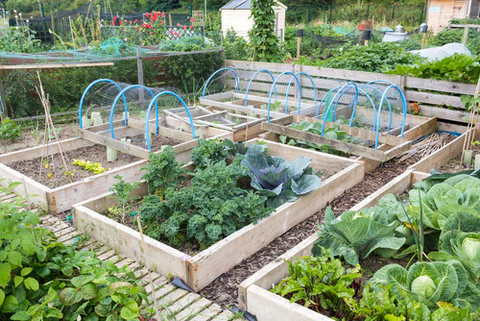
Starting seeds in limited areas is a practical way to grow healthy, vigorous plants even if you don’t have a traditional garden plot. Whether you’re working with a balcony, a patio, or just a sunny windowsill, small-space seed starting techniques can help you make the most of every square inch. With the right setup and a few smart strategies, you can nurture robust seedlings that are ready to thrive outdoors or in containers.
This guide covers the essentials of compact seed starting, from choosing the best containers to maximizing light and managing space efficiently. If you’re also interested in managing pests as your seedlings grow, check out how to manage pests in small gardens for natural solutions.
Why Start Seeds in Small Spaces?
Urban gardeners, apartment dwellers, and anyone with limited outdoor space can benefit from compact seed starting methods. These approaches allow you to:
- Grow a greater variety of plants in less space
- Control the growing environment for better germination
- Save money compared to buying mature plants
- Get a head start on the growing season
By focusing on efficient seed starting in tight spaces, you can enjoy a productive garden regardless of your square footage.
Choosing Containers and Tools for Compact Seed Starting
The right containers are crucial for successful seed germination in small areas. Look for options that fit your available space and allow for good drainage. Some popular choices include:
- Cell trays and plug trays: These are designed for starting multiple seeds in a small footprint.
- Recycled materials: Egg cartons, yogurt cups, and takeout containers can be repurposed as seed starters.
- Fabric grow bags: These are flexible, breathable, and can be moved easily as seedlings grow.
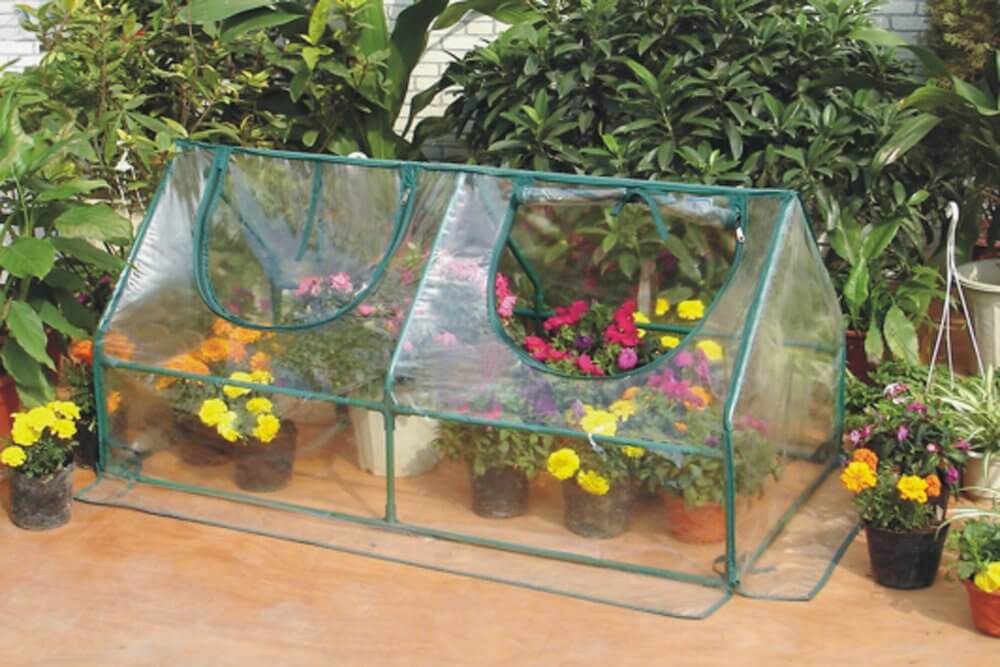
- Shallow trays with domes: Mini-greenhouses help retain moisture and warmth for faster germination.
When selecting tools, a small hand trowel, spray bottle for misting, and labels for tracking varieties are helpful additions. If you’re planning to grow tomatoes, peppers, or berries in containers later, you might also be interested in guides like how to grow tomatoes in small spaces and how to grow berries in small spaces.
Optimizing Light for Seedlings in Limited Areas
Light is one of the most important factors for strong, healthy seedlings. In small spaces, natural sunlight may be limited, especially indoors or on shaded balconies. To give your plants the best start:
- Place seed trays near south-facing windows for maximum sunlight.
- Rotate trays regularly to ensure even growth.
- Supplement with LED grow lights if natural light is insufficient. Adjustable lamps can be positioned close to seedlings without taking up much room.
- Use reflective surfaces (like foil or white boards) to bounce light onto plants.
Proper lighting prevents leggy, weak seedlings and encourages sturdy stems and healthy leaves.
Efficient Watering and Care in Small Spaces
Overwatering is a common issue when starting seeds in compact environments. To avoid problems:
- Use a spray bottle or fine mist to keep soil moist but not soggy.
- Ensure containers have drainage holes to prevent root rot.
- Check moisture levels daily, especially if using heat mats or domes.
- Thin seedlings as they grow to prevent overcrowding and encourage airflow.
Consistent, gentle care helps seedlings develop strong root systems and prepares them for transplanting.
Maximizing Your Yield with Vertical and Layered Approaches
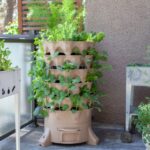
When floor or shelf space is limited, think vertically. Stackable trays, tiered plant stands, and hanging planters allow you to start more seeds in the same footprint. Some gardeners use wall-mounted racks or repurpose bookshelves to create multi-level growing areas.
Layering different crops—such as fast-growing greens above slower crops—can also make the most of available light and space. For more ideas on growing a variety of crops in tight quarters, see the small-space peppers and chili gardening guide.
Transplanting Seedlings from Small Spaces to Containers or Beds
Once your seedlings have developed several true leaves and strong roots, it’s time to move them to their final growing spots. Here’s how to ensure a smooth transition:
- Harden off: Gradually introduce seedlings to outdoor conditions over a week, increasing their time outside each day.
- Choose the right container: Select pots or grow bags with enough space for mature roots. For fruit trees, see the small-space fruit tree pruning tips.
- Transplant carefully: Handle seedlings by their leaves, not stems, to avoid damage.
- Water well: Give transplants a thorough drink to help them settle in.
With a gentle approach, your seedlings will quickly adapt and continue growing vigorously.
Tips for Success with Small-Space Seed Starting
- Label everything: Keep track of varieties and sowing dates for better organization.
- Use quality seed starting mix: Lightweight, sterile mixes promote healthy root growth and reduce disease risk.
- Monitor temperature: Most seeds germinate best between 65–75°F (18–24°C). Heat mats can help in cooler homes.
- Stay consistent: Check seedlings daily for moisture, light, and signs of pests or disease.
- Don’t overcrowd: Thin seedlings early to avoid competition for light and nutrients.
For more inspiration on making the most of a compact homestead, explore practical small-scale homesteading strategies that fit any lifestyle.
Frequently Asked Questions
What are the best seeds to start in small spaces?
Leafy greens, herbs, radishes, and compact varieties of tomatoes and peppers are ideal for limited areas. Look for dwarf or bush types that thrive in containers or on windowsills.
How can I prevent seedlings from becoming leggy?
Provide plenty of bright, direct light—ideally 12–16 hours per day. Rotate trays regularly and keep grow lights close (but not touching) to the tops of seedlings to encourage sturdy growth.
Do I need special soil for seed starting in small containers?
Yes, a lightweight, sterile seed starting mix is best. Avoid using regular garden soil, which can be too heavy and may contain pests or diseases that harm young plants.
Can I reuse containers for seed starting?
Absolutely. Just be sure to clean and disinfect them thoroughly between uses to prevent the spread of disease.
When should I transplant seedlings started in small spaces?
Move seedlings once they have at least two sets of true leaves and the roots fill their container. Harden them off gradually before moving outdoors or into larger pots.