Building a life with greater autonomy and resilience is a growing aspiration for many. Whether you’re starting from scratch or enhancing an existing property, pursuing self-sufficient homestead ideas can help you reduce reliance on outside systems, lower costs, and foster a more sustainable lifestyle. This guide explores practical strategies and proven methods for achieving greater independence on your land, from food production to energy solutions and beyond.
If you’re interested in broader approaches to off-grid living, consider exploring regenerative living off-grid for a deeper dive into sustainable practices that go beyond the basics.
Growing Your Own Food: The Foundation of Homestead Independence
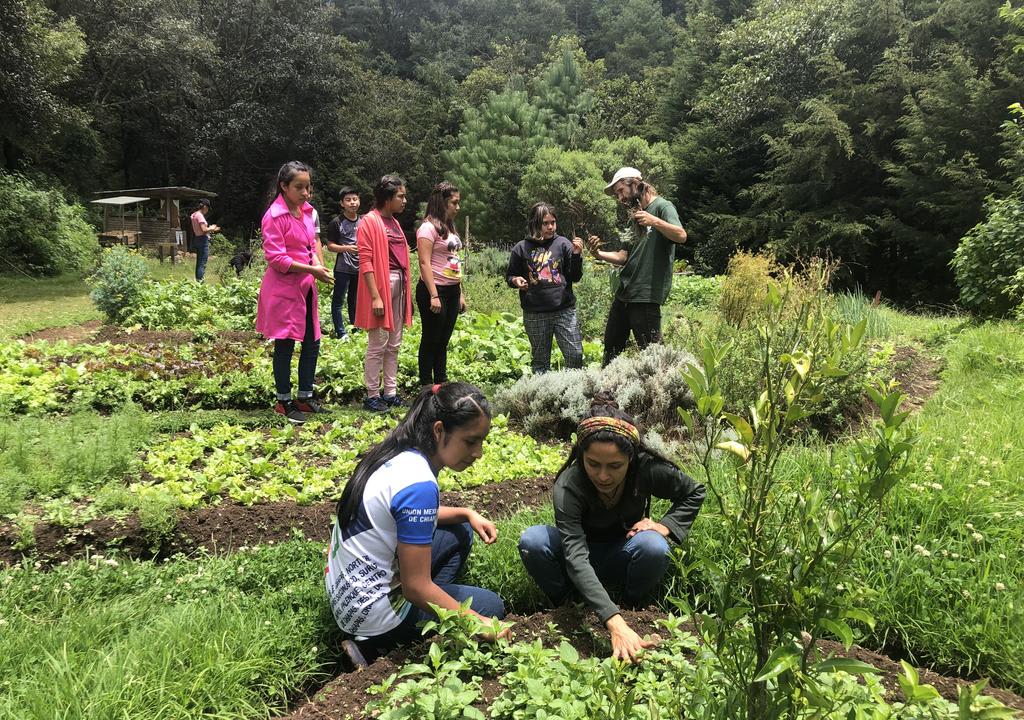
One of the most rewarding steps toward autonomy is producing your own food. A productive garden, fruit trees, and small-scale livestock can dramatically reduce trips to the grocery store and provide year-round nourishment.
- Vegetable Gardens: Raised beds, container gardening, and permaculture plots are all effective ways to grow a variety of crops. Choose crops suited to your climate and focus on high-yield, nutrient-dense varieties.
- Orchards and Berry Bushes: Planting fruit trees and perennial berries ensures a steady supply of fresh produce and preserves.
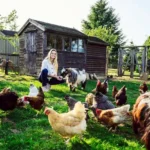
- Livestock: Chickens, ducks, rabbits, and goats are manageable options for eggs, meat, and dairy. Integrate animals into your system to recycle waste and improve soil fertility.
For those new to off-grid agriculture, learning about eco-friendly homesteading practices can help you design a system that works in harmony with nature.
Water Collection and Management for Self-Reliant Living
Reliable water access is essential for any independent homestead. Implementing smart water strategies can help you weather droughts and reduce dependence on municipal supplies.
- Rainwater Harvesting: Install gutters and storage tanks to collect rainwater from roofs. Use this for irrigation, livestock, or—after filtration—for household needs.
- Greywater Recycling: Reuse lightly used water from sinks, showers, and washing machines for landscape irrigation.
- Ponds and Swales: Landscape features like ponds and swales help capture runoff, recharge groundwater, and support wildlife.
For a comprehensive look at sustainable water and energy systems, check out resources on sustainable off-grid living.
Energy Solutions: Powering Your Homestead Off the Grid
Generating your own energy is a cornerstone of self-reliance. Depending on your location and budget, several renewable options are available:
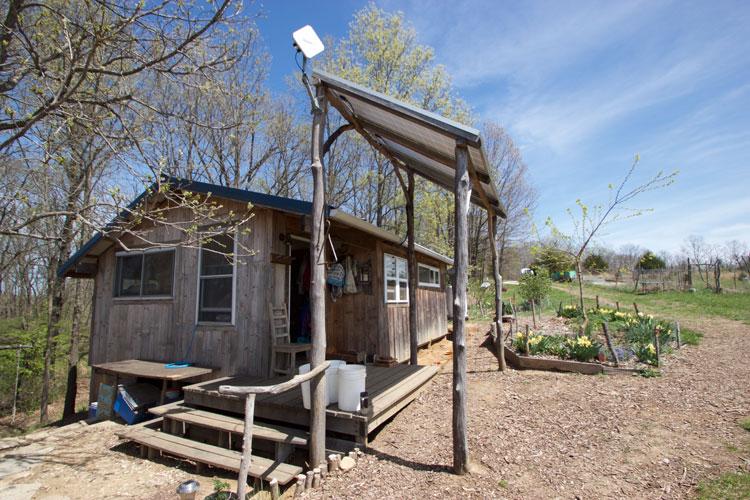
- Solar Panels: Photovoltaic systems can provide electricity for lighting, refrigeration, and small appliances. Battery banks store excess power for nighttime use.
- Wind Turbines: In windy areas, small turbines can supplement solar power, especially during cloudy periods.
- Wood Stoves and Biomass: For heating and cooking, wood stoves and rocket mass heaters are efficient and use locally available fuel.
Many homesteaders combine two or more systems for redundancy and flexibility. For more details on how to finance these upgrades, see the guide to financing an off-grid homestead.
Waste Reduction and Resource Cycling on the Homestead
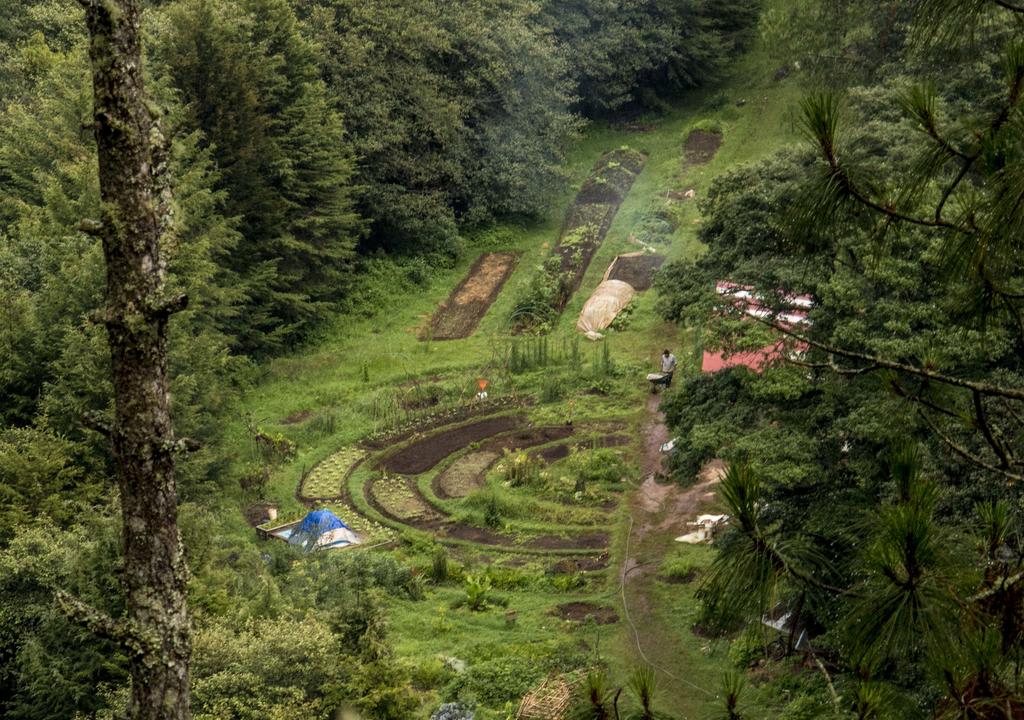
Minimizing waste and reusing resources are core principles of a resilient lifestyle. By closing loops, you can turn what would be trash into valuable inputs for your land.
- Composting: Kitchen scraps, garden waste, and even some animal manures can be composted to create rich soil amendments.
- Mulching: Use leaves, straw, and wood chips to retain soil moisture, suppress weeds, and feed soil life.
- Upcycling: Repurpose materials like pallets, barrels, and old fencing for new projects, reducing costs and landfill waste.
For more inspiration on practical, planet-friendly methods, see these eco-friendly homesteading practices that work in real-world settings.
Building Community and Bartering for Greater Independence
While the goal is greater self-reliance, no homestead is an island. Building relationships with neighbors and local networks can help you trade skills, share resources, and solve problems together.
- Bartering: Exchange surplus eggs, produce, or firewood for services or goods you don’t produce yourself.
- Skill-Sharing: Learn from others and offer your expertise in return, whether it’s carpentry, preserving food, or animal care.
- Local Markets: Selling homemade goods or produce can provide extra income and strengthen local food systems.
For more ideas on how to thrive off the grid, see this comprehensive guide to off-grid living with practical advice for every stage of your journey.
Legal and Financial Considerations for Homestead Self-Sufficiency
Before making major changes, research local regulations and financial requirements. Zoning laws, building codes, and tax policies can affect what you’re allowed to do on your land.
- Permits and Codes: Check with your local authorities about requirements for wells, septic systems, and alternative energy installations.
- Property Taxes: Understand how improvements might impact your tax bill. For more details, see the article on taxes for off-grid properties.
- Insurance: Make sure your property and assets are adequately protected, especially if you’re running a small business from your homestead.
Frequently Asked Questions
What are the first steps to starting a self-reliant homestead?
Begin by assessing your land, water sources, and climate. Start small with a vegetable garden and a few chickens, then gradually add systems like rainwater collection or solar panels. Research local regulations and connect with experienced homesteaders for advice.
How can I make my homestead more sustainable?
Focus on resource cycling—composting, mulching, and reusing materials. Grow a diverse range of crops, integrate animals, and use renewable energy sources. For more ideas, explore sustainable off-grid living strategies.
Do I need a lot of land to be self-sufficient?
Not necessarily. Many people achieve a high degree of independence on small plots by maximizing space with raised beds, vertical gardening, and intensive planting. The key is thoughtful design and efficient use of available resources.