For those living independently or seeking greater self-sufficiency, finding reliable ways to store food without electricity is essential. Root cellar ideas off-grid offer practical, time-tested solutions for preserving harvests, reducing waste, and ensuring a steady food supply year-round. Whether you’re homesteading, living remotely, or simply want to cut down on energy use, building a natural storage space can make a significant difference in your food security and daily life.
In this article, you’ll discover a range of cellar designs, construction tips, and maintenance strategies that work well in off-grid settings. We’ll also connect you to related resources, such as off-grid vegetable garden layout guides, to help you maximize your harvest and storage potential.
Why Choose Off-Grid Root Cellars for Food Storage?
Traditional cellars have been used for centuries to keep produce fresh by harnessing the earth’s natural insulation. For those living without grid power, these underground or partially buried structures provide a stable, cool, and humid environment ideal for storing fruits, vegetables, and even some canned goods. The main advantages include:
- Energy independence: No electricity needed for cooling or humidity control.
- Cost savings: Lower utility bills and reduced food spoilage.
- Year-round food security: Store harvests through winter and lean seasons.
- Sustainability: Reduce reliance on plastic packaging and refrigeration.
If you’re interested in broader self-sufficiency, explore growing food off-grid for tips on producing and preserving your own food supply.
Popular Off-Grid Root Cellar Designs
There are several types of cellars suitable for off-grid living, each with its own benefits and challenges. Here are some of the most effective options:
Earth-Bermed Cellars
One of the most common root cellar ideas off-grid enthusiasts use is the earth-bermed design. This involves digging into a hillside or creating a partially underground room, then piling soil around the exterior walls. The earth acts as insulation, maintaining a steady temperature and humidity level inside.
- Best for properties with natural slopes.
- Requires proper drainage to prevent water seepage.
- Can be built with stone, concrete, or even repurposed materials.
Barrel and Trash Can Cellars
For smaller-scale storage, burying food-grade barrels or metal trash cans is a quick and affordable solution. These mini cellars are ideal for storing root vegetables like carrots, potatoes, and beets.
- Easy to install and relocate.
- Use sand or sawdust to separate layers and absorb moisture.
- Ensure lids are secure to keep out pests.
Converted Basements and Crawl Spaces
If your off-grid home has a basement or crawl space, you can adapt part of it for food storage. Insulate the area, add ventilation, and use shelving or bins to organize your produce. This approach is especially useful in colder climates where freezing is a concern.
Key Features for Effective Off-Grid Food Storage
No matter which design you choose, certain features are crucial for maintaining the right conditions:
- Temperature control: Aim for 32–40°F (0–4°C) for most produce.
- Humidity: 85–95% relative humidity helps prevent shriveling.
- Ventilation: Proper airflow prevents mold and rot.
- Pest protection: Use screens, tight doors, and rodent-proof materials.
- Drainage: Keep water out with gravel floors, French drains, or raised platforms.
For more tips on maintaining a healthy, sustainable lifestyle, check out these off-grid hygiene tips.
Building and Maintaining Your Off-Grid Cellar
Constructing a cellar for natural food storage doesn’t have to be complicated. Here are some steps and tips to ensure success:
- Choose the right location: Select a spot with good drainage, away from septic systems and large trees. North-facing slopes are ideal for cooler temperatures.
- Excavate and insulate: Dig to the desired depth, line the walls with stone, concrete, or wood, and add insulation if needed.
- Install ventilation: Use two vents—one near the floor for incoming air and one near the ceiling for exhaust. Adjustable vents help control humidity.
- Seal against pests: Check for gaps, use metal mesh, and consider natural repellents like mint or bay leaves.
- Monitor conditions: Use a thermometer and hygrometer to track temperature and humidity. Adjust ventilation or add water trays as needed.
Regularly inspect stored produce and remove anything that shows signs of spoilage to prevent it from affecting the rest.
Creative Storage Solutions for Off-Grid Living
Beyond traditional cellars, there are other inventive ways to keep food fresh without power:
- Sand pits: Bury root vegetables in layers of sand inside a wooden box or pit.
- Clay pot refrigeration (Zeer pots): Use nested clay pots with wet sand between them to keep perishables cool.
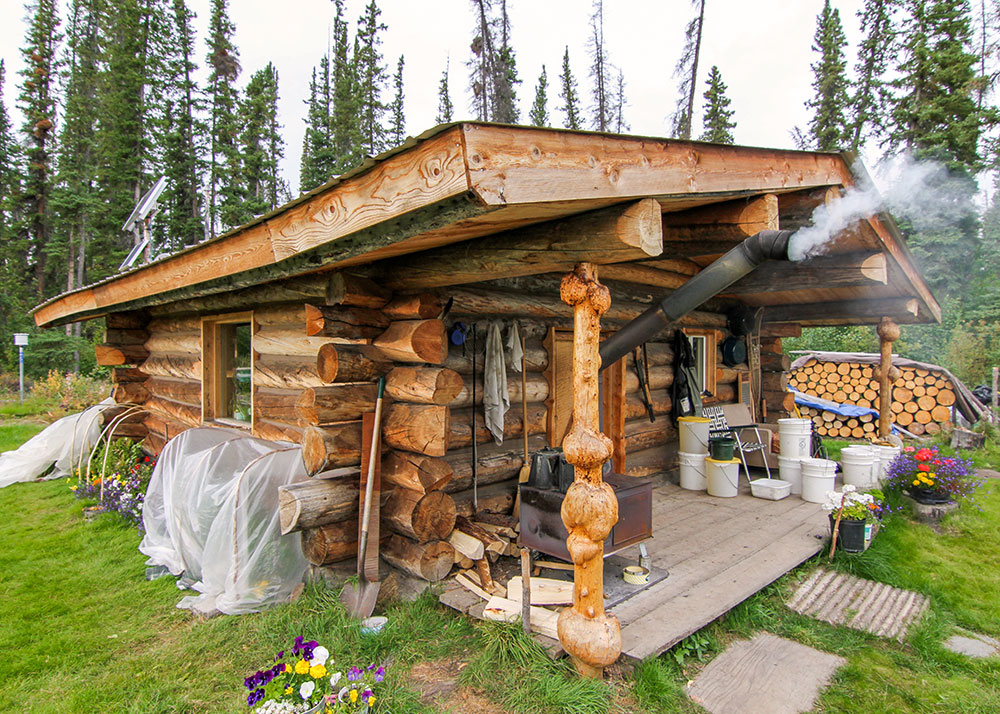
- Above-ground insulated sheds: Build a small, well-insulated shed with earth or straw bales for extra protection.
Pairing these storage methods with a productive garden is key. For inspiration, see these off-grid gardening tips to help you grow more of what you eat.
Additional Tips for Off-Grid Food Preservation
While cellars are excellent for many crops, combining them with other preservation methods can further extend your food supply. Consider:
- Drying: Herbs, beans, and some fruits can be air-dried or sun-dried.
- Fermenting: Sauerkraut, pickles, and kimchi keep well in cool storage.
- Canning: Home-canned goods can be stored in a cellar, away from direct sunlight.
- Salting and curing: Meats and fish can be preserved using salt and stored in a cool, dry place.
For more inspiration on building a resilient homestead, visit this comprehensive guide to off-grid homesteading.
Common Mistakes to Avoid
Even the best root cellar ideas off-grid enthusiasts use can fall short if a few common pitfalls aren’t addressed:
- Ignoring ventilation: Poor airflow leads to mold and spoilage.
- Improper drainage: Water intrusion can ruin stored food and damage the structure.
- Mixing incompatible produce: Some fruits emit ethylene gas, which can cause other vegetables to spoil faster.
- Overloading shelves: Crowding reduces airflow and increases the risk of rot.
Regular monitoring and a little planning go a long way in keeping your off-grid storage system running smoothly.
Frequently Asked Questions
What foods store best in an off-grid root cellar?
Root vegetables like potatoes, carrots, beets, turnips, and parsnips store exceptionally well. Apples, cabbages, onions, and garlic also keep for months under the right conditions. Avoid storing soft fruits or leafy greens, as they spoil quickly.
How do I keep my cellar from freezing in winter?
Insulate the ceiling and walls with straw, earth, or foam. Use a double-door entry to trap cold air, and consider adding thermal mass (like water barrels) to stabilize temperatures. Monitor conditions regularly, especially during cold snaps.
Can I build a root cellar if my property has a high water table?
Yes, but you’ll need to focus on above-ground or partially buried designs with excellent drainage. Raised beds, insulated sheds, or barrel cellars placed on gravel can all work in wet areas.
Conclusion
Embracing root cellar ideas off-grid is a practical step toward greater food security, sustainability, and independence. With the right design, careful planning, and regular maintenance, you can keep your harvest fresh for months—no electricity required. Combine these storage solutions with productive gardening and smart preservation methods to make the most of your off-grid lifestyle.