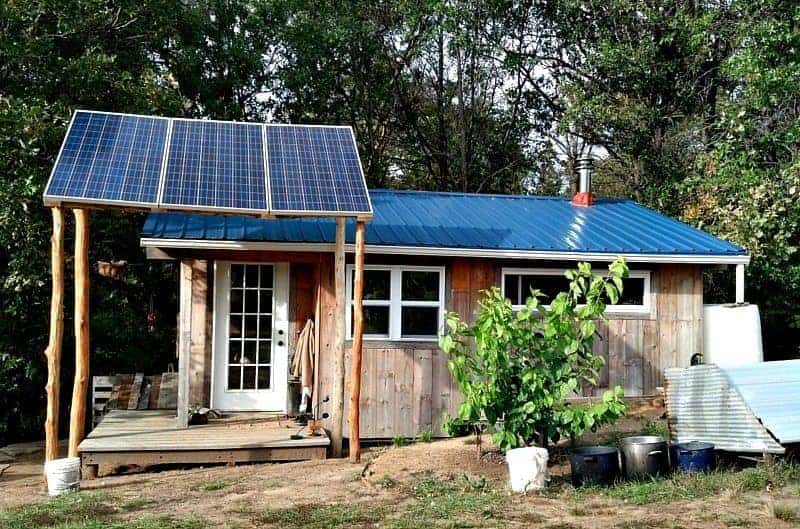
The rise of remote work off-grid is transforming how people approach both their careers and their lifestyles. More professionals are seeking ways to maintain productivity while living closer to nature, away from the noise and distractions of urban life. Whether you’re homesteading, traveling, or simply want to enjoy the peace of a rural environment, staying connected and efficient is possible—even without traditional infrastructure.
Embracing this lifestyle means understanding the unique challenges and opportunities that come with working from remote locations. From reliable internet access to sustainable power solutions and workspace setup, there are several key factors to consider. For those interested in making the leap, resources like transitioning to off-grid life offer valuable insights on what to expect and how to prepare.
Key Considerations for Working Remotely in Off-Grid Environments
Choosing to work from a remote, off-grid location requires careful planning. Unlike traditional home offices, you’ll need to address issues like power reliability, connectivity, and workspace ergonomics. Here are some essential areas to focus on:
- Internet Connectivity: Reliable internet is crucial for most remote jobs. Satellite, cellular, and hybrid solutions are popular choices for those living beyond the reach of cable or fiber networks.
- Power Supply: Solar panels, wind turbines, and backup generators can keep your devices running when you’re far from the grid.
- Workspace Setup: A comfortable, distraction-free environment helps maintain focus and productivity.
- Backup Plans: Always have contingency plans for power or internet outages, such as mobile hotspots or extra batteries.
For a deeper dive into connectivity options, check out this guide on off-grid internet solutions tailored for remote living.
Reliable Internet Options for Remote Work Off-Grid
Staying online is often the biggest challenge for those working from secluded locations. Fortunately, several technologies make it possible to maintain a strong connection almost anywhere.
- Satellite Internet: Providers like Starlink and HughesNet offer global coverage, making them ideal for rural or wilderness settings. While latency can be higher than cable, speeds are improving rapidly.
- Cellular Data: Using a 4G/5G hotspot or a dedicated router with a SIM card can provide fast, flexible internet. Signal boosters may be necessary in areas with weak reception.
- Hybrid Solutions: Combining satellite and cellular connections ensures redundancy and maximizes uptime, especially for mission-critical work.
It’s important to monitor data usage and choose a plan that matches your work requirements. For families or teams, investing in a robust router and network management tools can help distribute bandwidth efficiently.
Powering Your Off-Grid Workspace
A stable power supply is essential for anyone working remotely in a rural or wilderness setting. Solar energy is the most popular option, but wind and micro-hydro systems are also viable depending on your location.
- Solar Power: Portable solar panels and battery banks can keep laptops, phones, and networking equipment charged throughout the day.
- Backup Generators: Gas or propane generators offer peace of mind during extended cloudy periods or high energy demand.
- Energy Efficiency: Choose low-power devices and LED lighting to stretch your energy budget further.
For those interested in sustainable living, integrating your workspace with your homestead’s energy system can reduce costs and environmental impact. Learn more about modern off-grid homesteading and how smart solutions can optimize your setup.
Creating a Productive Workspace in Remote Settings
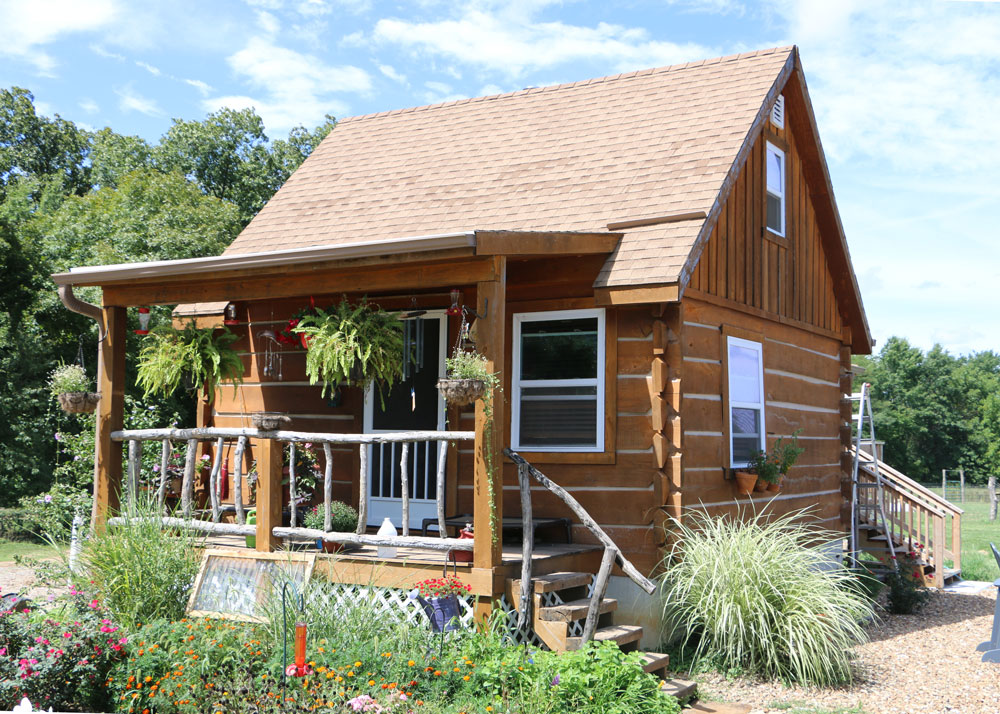
Designing a workspace that supports focus and comfort is just as important as having the right technology. Here are some practical tips for setting up your off-grid office:
- Choose the Right Location: Find a spot with natural light, good ventilation, and minimal distractions.
- Invest in Ergonomics: Use a supportive chair and desk to prevent fatigue during long work sessions.
- Organize Your Tools: Keep essential devices, chargers, and supplies within easy reach to streamline your workflow.
- Personalize Your Space: Add plants, artwork, or other touches that make your workspace inviting and inspiring.
If you’re living with others, set clear boundaries and schedules to minimize interruptions. For families, off-grid living with family offers advice on balancing work and home life in shared spaces.
Homesteading and Remote Work: Building a Sustainable Routine
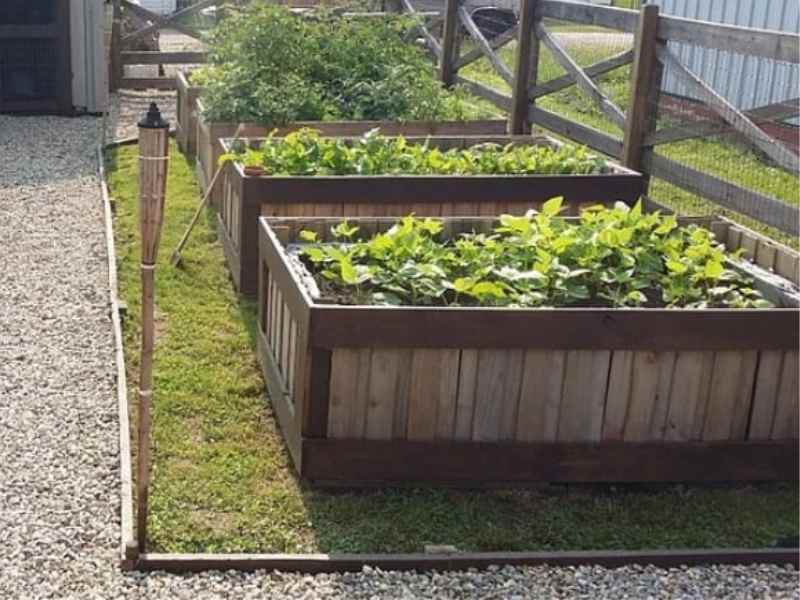
Combining homesteading with a remote career can be both rewarding and demanding. It’s important to create a daily routine that balances work responsibilities with the needs of your land and household.
- Time Management: Use digital calendars or planners to schedule work hours, chores, and downtime.
- Task Prioritization: Identify high-priority tasks each day to stay on track and avoid feeling overwhelmed.
- Community Connections: Stay in touch with other remote workers and homesteaders for support, advice, and collaboration.
For those new to this lifestyle, it’s helpful to read about off-grid homesteading myths to separate fact from fiction and set realistic expectations.
Common Challenges and How to Overcome Them
While the benefits of working remotely in off-grid settings are significant, there are also unique obstacles to address:
- Weather-Related Disruptions: Storms or extreme weather can impact both power and connectivity. Prepare by having backup systems and supplies on hand.
- Isolation: Working in remote areas can feel lonely. Schedule regular check-ins with colleagues, friends, or online communities.
- Resource Management: Monitor your energy, water, and food supplies to avoid unexpected shortages.
For more tips and a broader perspective, you can explore what to know about homesteading from experienced practitioners.
FAQ
What are the best internet options for off-grid remote work?
The top choices include satellite internet (such as Starlink), cellular data hotspots, and hybrid setups that combine both. The best option depends on your location, data needs, and budget. For more details, see our off-grid internet solutions resource.
How can I ensure a reliable power supply for my devices?
Most remote workers use solar panels paired with battery storage. Backup generators and energy-efficient devices help maintain uptime during cloudy periods or high usage.
Is it possible to balance homesteading chores with a remote job?
Yes, with careful planning and time management. Many people find that digital tools, clear routines, and prioritizing essential tasks make it easier to balance both responsibilities.
What are some common misconceptions about living and working off-grid?
Many believe that off-grid living means sacrificing comfort or modern conveniences. In reality, with the right setup, you can enjoy both productivity and a high quality of life. Learn more in our article on off-grid homesteading myths.