The concept of regenerative living off-grid is gaining momentum among those seeking to create a positive impact on the environment while enjoying greater self-reliance. Unlike traditional sustainability, which focuses on minimizing harm, regenerative practices aim to restore and enhance natural systems. This approach goes beyond simply reducing footprints—it’s about actively improving the land, water, and community connections through thoughtful design and daily choices.
Embracing this lifestyle means rethinking how we interact with resources, energy, and food production. Whether you’re planning your first steps toward an independent homestead or refining an existing setup, understanding regenerative principles can help you build a thriving, resilient life off the grid. For those interested in the financial side of this journey, learning about financing an off-grid homestead can provide a solid foundation for your plans.
What Sets Regenerative Practices Apart?
Many people are familiar with sustainable living, but regenerative approaches take things further. The goal is not just to maintain the status quo, but to leave the land, water, and ecosystems better than you found them. This can involve restoring degraded soils, increasing biodiversity, and creating closed-loop systems that mimic nature.
Some key principles include:
- Restoring Soil Health: Using compost, cover crops, and rotational grazing to rebuild soil fertility and structure.
- Water Stewardship: Harvesting rainwater, building swales, and using greywater systems to recharge groundwater and reduce runoff.
- Biodiversity: Planting a variety of crops, encouraging pollinators, and integrating animals to create a balanced ecosystem.
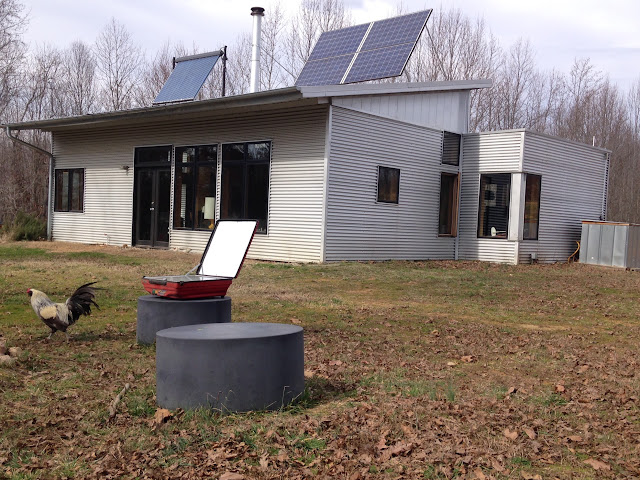
- Energy Independence: Utilizing renewable sources like solar, wind, or micro-hydro to power your homestead without fossil fuels.
- Community Engagement: Sharing knowledge, resources, and surplus with neighbors to strengthen local resilience.
Designing a Regenerative Off-Grid Homestead
Building a home that supports regenerative living off-grid requires careful planning. Start by observing your land and understanding its unique features—sun patterns, prevailing winds, water flow, and existing vegetation. This observation phase is essential for designing systems that work with, not against, nature.
Key steps include:
- Site Assessment: Map out slopes, soil types, and water sources. Identify areas for gardens, orchards, and animal shelters.
- Water Systems: Install rainwater catchment, ponds, or swales to slow and store water. Consider greywater recycling for irrigation.
- Energy Planning: Evaluate solar exposure for panels, or explore wind and micro-hydro options if suitable. Size your system for both current and future needs.
- Food Production: Design gardens and food forests that regenerate soil and provide year-round harvests. Integrate animals for fertility and pest control.
- Building Materials: Use local, natural, or recycled materials to minimize embodied energy and environmental impact.
For a practical look at budgeting and costs, check out this detailed cost of off-grid homesteading breakdown.
Food Systems That Restore and Nourish
One of the most rewarding aspects of regenerative living is growing your own food in a way that improves the land. Techniques like no-till gardening, permaculture design, and integrated animal systems help build soil, conserve water, and increase yields over time.
- No-Till Gardening: Avoids soil disturbance, preserves beneficial microbes, and reduces erosion.
- Composting: Turns kitchen and yard waste into nutrient-rich soil amendments.
- Polyculture Planting: Mimics natural ecosystems by growing diverse crops together, reducing pests and disease.
- Rotational Grazing: Moves livestock through paddocks to fertilize and aerate the soil while preventing overgrazing.
For those just starting out, a raised garden bed can be a simple way to begin building healthy soil and growing fresh produce. Adding chickens or other small livestock can further close the loop, providing eggs, meat, and natural fertilizer.
Energy and Water Independence for a Thriving Homestead
Achieving energy and water autonomy is central to off-grid regenerative living. Solar panels are the most common choice, but wind turbines or micro-hydro systems may be viable depending on your location. Battery storage ensures power is available during cloudy days or at night.
Water strategies focus on capturing, storing, and reusing every drop. Rainwater harvesting, gravity-fed irrigation, and greywater systems reduce reliance on wells or municipal sources. Swales and ponds can help recharge groundwater and create habitat for wildlife.
For more tips on making your setup affordable, see this guide to off-grid living on a budget.
Legal and Financial Considerations for Off-Grid Regeneration
Before making the leap, it’s important to understand the legal and financial landscape. Zoning laws, building codes, and property taxes can all affect your ability to live independently and implement regenerative systems. Researching off-grid homestead laws in your area is a crucial first step.
Financial planning is also key. While some regenerative practices can reduce long-term costs, there may be upfront investments in infrastructure, tools, and renewable energy systems. For a comprehensive overview, see this ultimate guide to starting a frugal off-grid homestead.
Building Community and Sharing Abundance
Regenerative living is not just about land and resources—it’s also about people. Sharing knowledge, tools, and surplus produce with neighbors can strengthen local networks and boost resilience. Community gardens, seed swaps, and cooperative projects help spread regenerative ideas and make the journey more rewarding.
Many off-grid homesteaders find that building relationships is as important as building soil. By working together, communities can pool resources, solve problems, and celebrate successes.
Frequently Asked Questions
How Is Regenerative Living Different from Sustainable Living?
While sustainable living focuses on minimizing negative impacts, regenerative approaches aim to restore and improve natural systems. This means actively rebuilding soil, increasing biodiversity, and creating systems that give back more than they take.
What Are the First Steps to Start a Regenerative Off-Grid Homestead?
Begin by observing your land, understanding local regulations, and mapping out resources like water and sunlight. Start small with gardens or composting, and gradually add renewable energy and water systems as your knowledge and budget grow.
Can Regenerative Practices Save Money in the Long Run?
Many regenerative techniques, such as composting and rainwater harvesting, can reduce ongoing costs. However, there may be initial investments in infrastructure. Careful planning and learning from others can help maximize savings over time.