The journey toward a more self-reliant lifestyle is filled with both challenges and rewards. Many people dream of disconnecting from the grid, seeking independence, sustainability, and a closer connection to nature. Real-world examples of individuals and families who have made this transition can offer practical insights and encouragement. This article highlights a range of off-grid living success stories, exploring the strategies, lessons, and inspiration they provide for anyone considering a similar path.
If you’re interested in building resilience and thriving in remote environments, you may also find value in our guide on resilience off-grid living, which covers practical tips for overcoming common obstacles.
Real-Life Examples of Off-Grid Success
Across the world, people from diverse backgrounds have embraced off-grid living, each with their own motivations and approaches. Some seek to reduce their carbon footprint, while others are drawn by the promise of self-sufficiency or a desire to live more simply. Here are a few inspiring examples that demonstrate what’s possible with determination and creativity.
From City Life to Homestead: The Johnson Family’s Journey
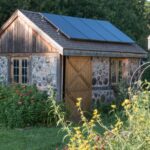
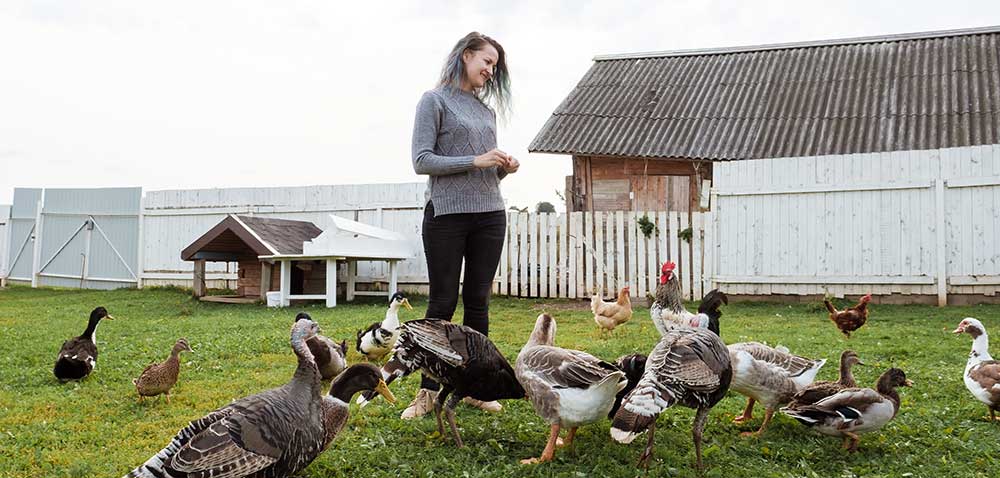
The Johnsons left their suburban home and relocated to a remote area, determined to build a sustainable homestead from scratch. With little prior experience, they learned essential skills such as growing food, raising chickens, and managing water resources. Their story highlights the importance of adaptability and community support. They found that connecting with local farmers and neighbors was key to overcoming early setbacks.
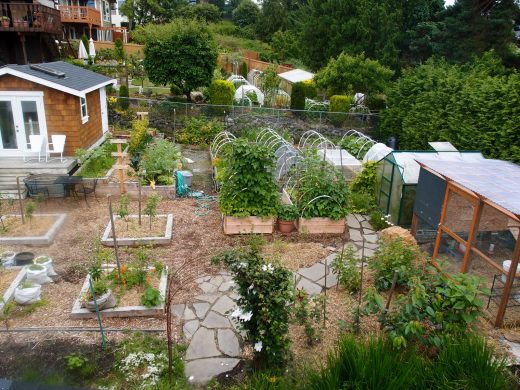
Their efforts resulted in a thriving homestead powered by solar energy, with a productive garden and a reliable food storage system. The Johnsons’ experience shows that anyone willing to learn and persist can create a rewarding off-grid lifestyle.
Solo Off-Grid Living: Maria’s Cabin in the Woods
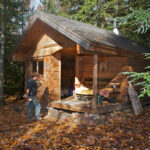
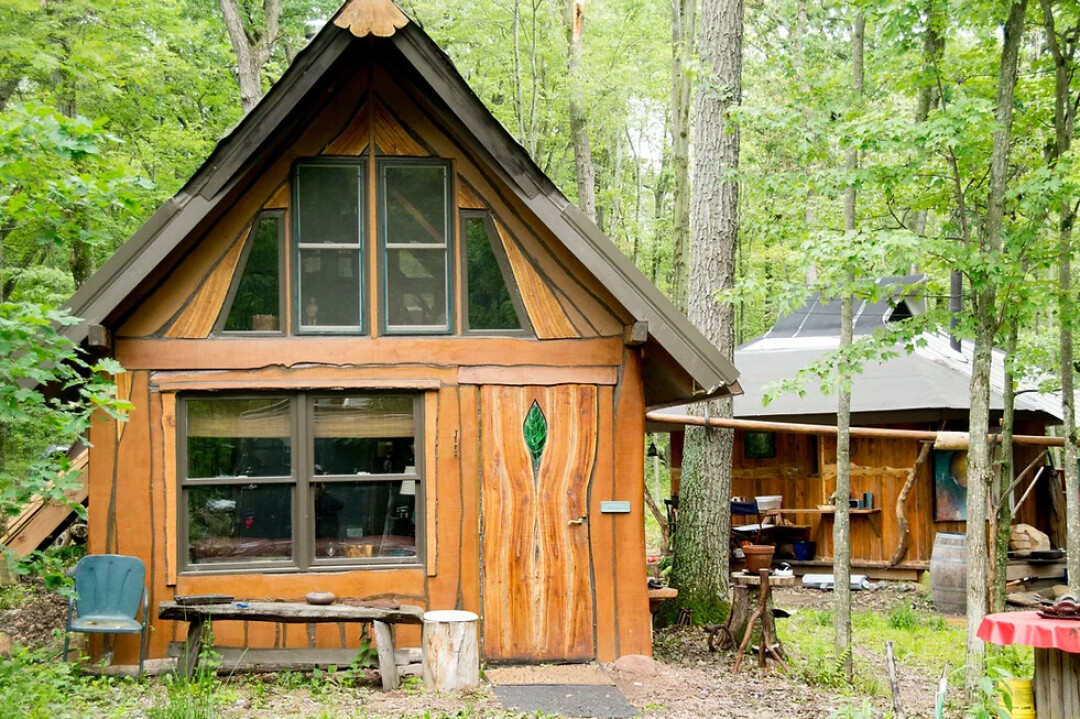
Maria, a former office worker, chose to pursue solitude and simplicity by building a small cabin deep in the forest. Her approach focused on minimalism and resourcefulness. She constructed her home using reclaimed materials and developed systems for rainwater harvesting and composting. By growing her own vegetables and foraging, Maria achieved a high degree of independence.
Her story is a testament to the power of determination and careful planning. Maria’s experience demonstrates that off-grid living is accessible even for those starting alone, provided they are willing to research, prepare, and adapt to changing conditions.
Key Elements Behind Off-Grid Living Success
While each story is unique, several common themes emerge among those who have successfully transitioned to life off the grid. Understanding these elements can help guide your own planning and decision-making.
- Resourcefulness: Creative problem-solving is essential, especially when dealing with unexpected challenges or limited supplies.
- Community Connections: Building relationships with neighbors, local experts, and online communities can provide valuable support and knowledge sharing.
- Adaptability: Weather, seasons, and personal needs change. Flexibility in plans and expectations leads to better outcomes.
- Continuous Learning: Success often depends on a willingness to acquire new skills, from gardening and animal care to renewable energy management.
- Sustainable Practices: Adopting eco-friendly methods, such as composting and water conservation, helps ensure long-term viability.
For more ideas on creating a self-sufficient homestead, explore our collection of practical tips and inspiration for greater independence.
Lessons Learned from Off-Grid Pioneers
Those who have embraced off-grid living often emphasize the importance of preparation and patience. Initial setbacks are common, whether it’s a failed crop, a malfunctioning solar panel, or an unexpected storm. Learning from mistakes and seeking advice from others can make a significant difference.
Many successful homesteaders recommend starting small—perhaps with a garden, a few chickens, or a basic rainwater system—before expanding. This approach allows for gradual learning and reduces the risk of becoming overwhelmed.
Another key takeaway is the value of sustainable choices. Using renewable energy, minimizing waste, and respecting local ecosystems not only benefit the environment but also contribute to long-term self-reliance. For those interested in eco-friendly strategies, our article on eco-friendly homesteading practices offers actionable advice.
Building an Off-Grid Homestead: A Step-by-Step Example
For a detailed look at the process, consider reading this comprehensive guide to building an off-grid homestead. It covers everything from site selection and shelter construction to energy systems and food production, providing a realistic overview of the steps involved.
Benefits of Achieving Off-Grid Independence
The rewards of a successful off-grid lifestyle go beyond financial savings. Many people report improved well-being, a stronger sense of accomplishment, and a deeper appreciation for nature. Living independently often leads to healthier eating, increased physical activity, and a greater awareness of environmental impact.
Reducing reliance on public utilities and commercial food sources can also provide peace of mind, especially during times of uncertainty. For those interested in reducing their environmental impact, our article on the carbon footprint of off-grid living explains how these choices contribute to a more sustainable future.
Common Challenges and How to Overcome Them
While the rewards are significant, it’s important to acknowledge the difficulties. Access to reliable power, water, and food can be unpredictable. Weather events, equipment failures, and isolation are common hurdles.
- Power Outages: Investing in backup systems, such as generators or battery storage, can provide extra security.
- Water Scarcity: Rainwater harvesting, efficient irrigation, and water-saving appliances help conserve resources.
- Food Production: Diversifying crops, rotating gardens, and preserving surplus harvests increase food security.
- Social Isolation: Staying connected with friends, family, and online communities can help maintain mental health.
For more on sustainable approaches, see our guide to sustainable off-grid living for practical steps toward a greener lifestyle.
Frequently Asked Questions
What are the first steps to start living off the grid?
Begin by researching your local climate, laws, and available resources. Start small with a garden or a few animals, and gradually add systems for power, water, and shelter. Learning from others’ experiences and planning for contingencies is crucial.
How do people manage energy needs when living off the grid?
Most off-grid homes use a combination of solar panels, wind turbines, and backup generators. Energy efficiency is key—using LED lighting, energy-saving appliances, and proper insulation reduces overall demand.
Is off-grid living more sustainable than traditional lifestyles?
It can be, especially when renewable energy, water conservation, and local food production are prioritized. However, sustainability depends on the choices made and the resources available. Careful planning and ongoing adaptation are essential.