Embracing a lifestyle away from the grid can be both rewarding and cost-effective if approached with the right strategies. Many people are drawn to the idea of self-sufficiency, but the perception that it requires a large investment often holds them back. In reality, off-grid living on a budget is entirely achievable by making smart choices, leveraging available resources, and focusing on practical solutions for shelter, energy, water, and food.
This article explores proven ways to cut costs while establishing your off-grid homestead, from affordable housing options to DIY systems and resourceful habits. Whether you’re planning a rural retreat or seeking greater independence, these tips will help you maximize savings and minimize waste as you build your new life.
As you begin your journey, it’s essential to develop a solid foundation of practical skills and knowledge. For those interested in building resilience, learning survival skills for homesteaders can be a valuable asset, helping you adapt to challenges and make the most of your resources from day one.
Affordable Housing Solutions for Off-Grid Lifestyles
One of the biggest expenses when starting out is securing a place to live. Fortunately, there are several budget-friendly options that allow you to establish a comfortable home without breaking the bank:
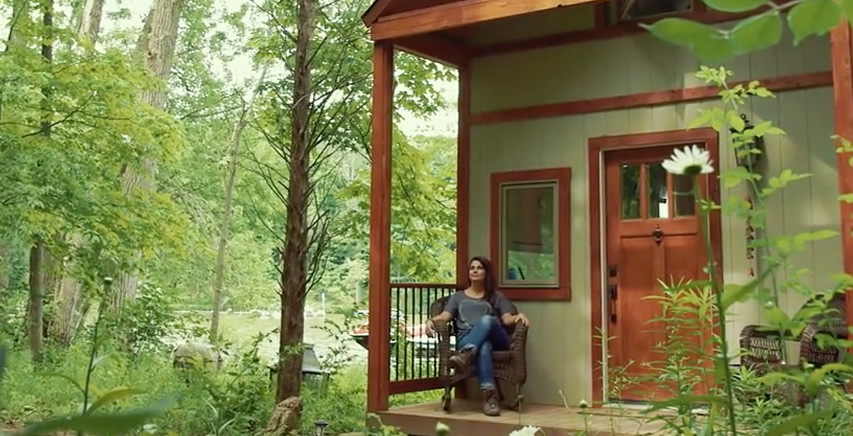
- Tiny homes and cabins: Building a small structure with salvaged or recycled materials can significantly reduce costs. Many off-gridders opt for simple cabins, sheds, or even converted shipping containers.
- DIY construction: Taking a hands-on approach to building your shelter can save thousands. Learn basic carpentry, plumbing, and electrical skills to keep labor expenses low.
- Mobile options: RVs, campers, and converted vans offer flexibility and can be parked on inexpensive rural land while you develop a permanent residence.
Prioritize insulation and weatherproofing to ensure your home remains comfortable year-round, which will also help keep energy costs down.
Cutting Energy Costs with DIY Power Systems
Generating your own electricity is a core part of living independently. While solar panels and wind turbines can be expensive upfront, there are ways to minimize costs:
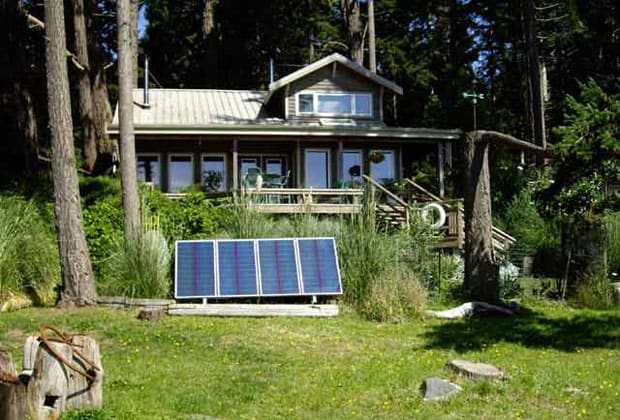
- Start small: Begin with a modest solar setup to power essentials, then expand as your budget allows.
- Buy used or refurbished equipment: Look for secondhand panels, batteries, and inverters from reputable sources.
- DIY installation: Installing your own system can save on labor fees. Many resources and guides are available to help you learn the basics.
- Reduce consumption: Use energy-efficient appliances and LED lighting. Limit the use of high-wattage devices.
For more information on maintaining your systems, check out this guide to repairing off-grid systems for common fixes and troubleshooting tips.
Water Sourcing and Filtration Without Breaking the Bank
Access to clean water is essential, but you don’t need to spend a fortune to secure a reliable supply. Here are some cost-effective methods:
- Rainwater harvesting: Collecting rainwater from your roof is one of the simplest and cheapest ways to gather water. Use food-grade barrels and basic filtration systems.
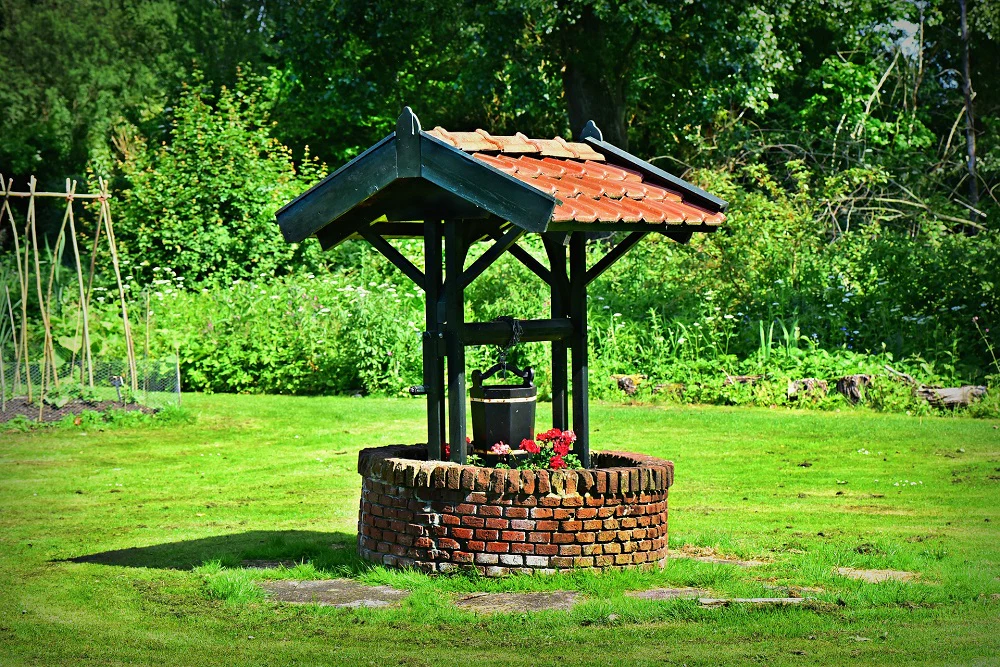
- Wells and springs: If your property allows, digging a shallow well or tapping into a spring can provide a steady source. Consider sharing costs with neighbors if possible.
- DIY filtration: Construct your own sand or charcoal filters to purify water for household use.
Regular maintenance and testing are important to ensure water safety. For more on essential gear, see essential tools for off-grid living and homesteading.
Growing Your Own Food and Raising Animals on a Shoestring
Producing your own food is one of the most effective ways to save money while living independently. Here’s how to get started without overspending:
- Start small: Focus on a few staple crops that thrive in your region. Raised beds and container gardens can be created with inexpensive materials.
- Compost and mulch: Use kitchen scraps and yard waste to build healthy soil, reducing the need for store-bought fertilizers.
- Backyard livestock: Chickens, rabbits, and ducks are affordable to keep and provide eggs or meat. Build simple shelters using reclaimed materials.
- Preserve your harvest: Canning, drying, and fermenting help stretch your food supply through the year.
For more creative ideas, explore DIY off-grid projects to increase self-reliance and reduce expenses.
Practical Tips for Saving Money While Living Off the Grid
Beyond the basics, adopting a frugal mindset and resourceful habits can make a significant difference in your monthly expenses. Here are some additional strategies:
- Buy in bulk: Purchase staples like grains, beans, and animal feed in larger quantities to save per unit.
- Barter and trade: Exchange goods and services with neighbors to meet needs without spending cash.
- Repair and reuse: Fix broken tools and repurpose materials whenever possible.
- Learn new skills: The more you can do yourself, the less you’ll rely on outside help.
- Plan for emergencies: Having a backup plan and supplies can prevent costly setbacks. For guidance, review the off-grid emergency preparedness planning guide.
For a deeper dive into what to expect, read this overview of key things to know before starting your off-grid homestead. It covers common challenges and solutions for those seeking to live more sustainably and affordably.
FAQ: Off-Grid Living and Saving Money
What is the cheapest way to start living off the grid?
The most affordable approach is to begin with a small, simple shelter—such as a tiny home, cabin, or converted vehicle—on inexpensive land. Use salvaged materials, DIY construction, and basic solar or wind setups to keep costs low. Start with essential systems and expand as your budget allows.
How can I reduce ongoing expenses while living off-grid?
Focus on self-sufficiency: grow your own food, collect rainwater, use energy-efficient appliances, and repair items instead of replacing them. Bartering with neighbors and buying in bulk can also help lower your monthly costs.
Is it possible to live off-grid without a large upfront investment?
Yes, many people transition gradually by starting small and scaling up over time. By prioritizing needs, using recycled materials, and learning essential skills, you can avoid the high costs often associated with moving off the grid.
Adopting off-grid living on a budget is not only possible but can be deeply rewarding. With careful planning, resourcefulness, and a willingness to learn, you can achieve greater independence and financial freedom while enjoying the benefits of a simpler, more sustainable lifestyle.