Building a resilient, energy-efficient home away from the grid requires careful selection of materials. The right choices can make a significant difference in comfort, longevity, and sustainability. For those seeking independence from traditional utilities, understanding which off-grid housing materials offer the best performance is essential. This article explores the most reliable options for constructing homes that stand the test of time and the elements, while minimizing maintenance and maximizing energy savings.
Whether you’re planning a remote cabin, a homestead, or a full-time residence, the materials you choose will impact everything from insulation and weather resistance to environmental impact. Before diving into the specifics, it’s helpful to explore related topics like modern homesteading homestead design ideas to inspire your project and ensure your design aligns with your lifestyle and sustainability goals.
Key Considerations When Choosing Materials for Remote Living
Selecting the best components for a self-sufficient home involves more than just picking what’s available locally. Here are some important factors to keep in mind:
- Durability: Materials must withstand harsh weather, pests, and time without frequent repairs.
- Insulation Value: Good thermal performance keeps interiors comfortable and reduces energy needs.
- Maintenance Requirements: Low-maintenance options are ideal for remote locations.
- Environmental Impact: Sustainable, renewable, or recycled materials reduce your ecological footprint.
- Availability and Cost: Consider local sourcing to minimize transportation costs and support the community.
Top Durable and Efficient Materials for Off-Grid Homes
Let’s look at some of the most effective off-grid housing materials that balance strength, efficiency, and sustainability.
1. Insulated Concrete Forms (ICFs)
ICFs are blocks or panels made from rigid foam insulation, stacked and filled with reinforced concrete. This system creates walls with outstanding thermal resistance and structural strength. Homes built with ICFs are highly energy-efficient, quiet, and resistant to fire, pests, and severe weather.
- Pros: Excellent insulation, low maintenance, long lifespan.
- Cons: Higher upfront cost, requires skilled labor for installation.
2. Structural Insulated Panels (SIPs)
SIPs consist of an insulating foam core sandwiched between two structural boards, usually oriented strand board (OSB). They’re factory-made for precision and can be quickly assembled on-site, reducing construction time and waste.
- Pros: Superior energy efficiency, fast installation, strong and airtight.
- Cons: Limited flexibility for design changes after manufacturing.
3. Rammed Earth and Earthbag Construction
For those who want to minimize their environmental impact, rammed earth and earthbag techniques use natural soil materials to form thick, sturdy walls. These walls have high thermal mass, which helps regulate indoor temperatures and reduces heating and cooling needs.
- Pros: Extremely durable, fire-resistant, low-cost if soil is available on-site.
- Cons: Labor-intensive, may require additional insulation in colder climates.
4. Reclaimed and Salvaged Materials
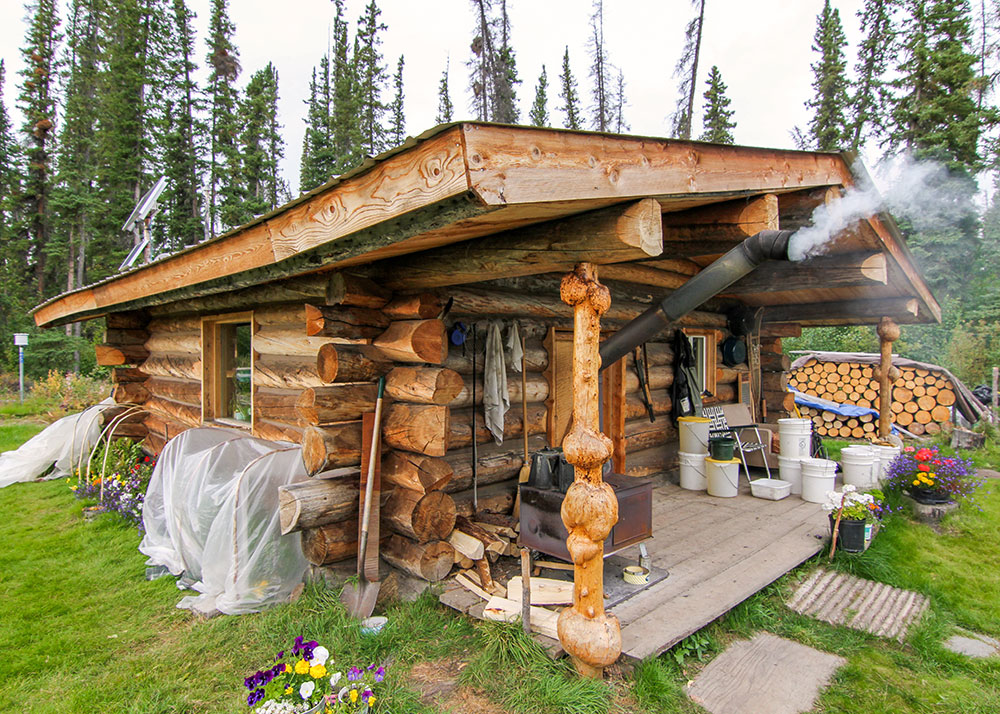
Using reclaimed wood, metal, and other salvaged items not only saves resources but can also add character to your home. These materials often come from deconstructed buildings or industrial sites and can be repurposed for framing, siding, flooring, and more.
- Pros: Environmentally friendly, unique aesthetic, often cost-effective.
- Cons: Requires careful inspection for quality and safety.
5. Straw Bale Construction
Straw bales are a renewable, affordable, and highly insulative option for wall construction. When properly sealed, straw bale walls are surprisingly durable and resistant to fire and pests. They work well in dry climates and can be finished with natural plasters for added protection.
- Pros: Excellent insulation, renewable resource, low embodied energy.
- Cons: Susceptible to moisture if not properly protected, requires thick walls.
Energy-Efficient Roofing and Insulation Choices
The roof is a critical part of any off-grid home. Metal roofing is a top choice due to its longevity, fire resistance, and ability to shed snow and rain. For insulation, options like sheep’s wool, cellulose, and spray foam can help keep interiors comfortable year-round. Pairing these with passive solar design principles further enhances efficiency.
Windows, Doors, and Sealing for Maximum Efficiency
High-performance windows and doors are essential for minimizing heat loss and maximizing natural light. Double- or triple-glazed windows with low-E coatings, insulated exterior doors, and proper air sealing all contribute to a more efficient building envelope. Don’t overlook the importance of weatherstripping and caulking to prevent drafts and moisture intrusion.
Sustainable Foundations and Site Considerations
The foundation of your home must be stable and suited to your site’s soil and climate. Options like pier and beam, rubble trench, or insulated slab foundations can reduce material use and environmental impact. Proper site orientation, drainage, and landscaping also play a role in long-term durability and efficiency.
For those interested in holistic approaches to off-grid living, resources like this comprehensive guide to off-grid homesteading provide valuable insights on integrating shelter, food production, and energy systems.
Maintenance Tips for Long-Lasting Off-Grid Homes
Even the most robust off-grid housing materials require periodic care. Here are a few maintenance strategies to ensure your home remains efficient and comfortable:
- Inspect roofs, siding, and foundations annually for signs of wear or water intrusion.
- Maintain seals around windows and doors to prevent drafts.
- Protect wood elements with natural oils or stains to deter pests and weathering.
- Keep gutters and drainage systems clear to avoid moisture problems.
- Regularly check insulation and ventilation to maintain indoor air quality and energy performance.
For more practical advice on keeping your homestead in top shape, you may find the modern homesteading tool maintenance tips helpful.
Frequently Asked Questions
What is the most durable material for off-grid homes?
Insulated concrete forms (ICFs) and rammed earth are among the most durable options. Both provide excellent resistance to weather, pests, and fire, ensuring a long-lasting structure with minimal upkeep.
Are natural materials like straw bale and earthbags energy efficient?
Yes, straw bale and earthbag construction offer high insulation and thermal mass, making them very energy efficient when properly designed and maintained. They are especially effective in climates with significant temperature swings.
How can I reduce maintenance for my off-grid house?
Choose materials that are naturally resistant to decay, pests, and moisture. Incorporate design features like wide roof overhangs and proper site drainage. Regular inspections and timely repairs also help prevent small issues from becoming major problems.
Can I use recycled materials for building an off-grid home?
Absolutely. Reclaimed wood, metal, and even windows or doors can be repurposed for construction, reducing costs and environmental impact. Always inspect salvaged materials for structural integrity and safety.
Conclusion
Building a resilient, efficient home away from the grid is achievable with the right mix of off-grid housing materials. By prioritizing durability, insulation, and sustainability, you can create a comfortable, low-maintenance living space that stands strong for years. Explore resources, plan carefully, and choose materials that fit your climate and lifestyle for the best results.