The idea of living independently, away from the grid, has grown in popularity over the years. Yet, misconceptions about what it truly means to build a life off the beaten path persist. These off-grid homesteading myths can make the lifestyle seem either impossibly difficult or unrealistically simple. In reality, the truth lies somewhere in between. Understanding what off-grid living actually involves can help aspiring homesteaders make informed decisions and avoid common pitfalls.
Whether you’re considering a move to rural acreage or simply curious about self-sufficient living, it’s important to separate fact from fiction. By addressing the most widespread misunderstandings, this article aims to provide a grounded perspective on what it takes to thrive off the grid. For those interested in a deeper look at the transition process, transitioning to off-grid life offers practical advice for beginners.
Myth 1: Off-Grid Living Is Only for Survivalists or Extremists
One of the most persistent off-grid homesteading myths is that only hardcore survivalists or people with extreme views choose this path. In reality, off-grid living attracts a diverse group of people. Some are motivated by environmental concerns, others by a desire for independence, and many simply want a quieter, more intentional lifestyle.
Families, retirees, young couples, and even remote workers are finding ways to make off-grid living work for them. The approach varies—some go fully unplugged, while others maintain partial connections for convenience or safety. The key is that off-grid homesteading is adaptable, not a one-size-fits-all solution.
If you’re interested in how families adapt to this lifestyle, the article on off-grid living with family explores what to expect and how to prepare.
Myth 2: You Need a Fortune to Get Started
Another common misconception is that setting up an off-grid homestead requires massive upfront investment. While it’s true that land, solar panels, water systems, and other infrastructure can be costly, there are many ways to start small and scale up over time.
Many homesteaders begin with modest cabins, used materials, or even by renting land. DIY skills and community bartering can significantly reduce costs. For those on a tight budget, resources like this guide to living off the grid with little or no money provide practical tips for minimizing expenses.

Myth 3: Off-Grid Homesteading Means Complete Isolation
The image of a lone cabin in the wilderness is a powerful one, but it doesn’t reflect the reality for most off-grid homesteaders. Many people living off the grid are part of vibrant rural communities. They attend local events, participate in farmers’ markets, and often collaborate with neighbors for shared projects or resources.
In fact, building relationships with others is often essential for success. Whether it’s sharing knowledge, trading goods, or offering a helping hand during emergencies, community plays a big role in rural self-sufficiency. For more on the social and emotional aspects, see mental health off-grid living.
Myth 4: You Must Be Completely Self-Sufficient
While the goal of self-reliance is central to homesteading, the idea that you must produce everything yourself is unrealistic. Most off-grid households still purchase some supplies, use local services, or rely on outside expertise for certain projects.
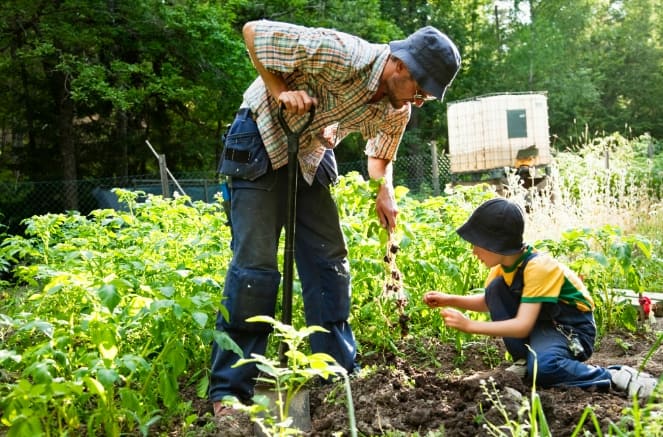
The journey toward self-sufficiency is gradual. Many start by growing a portion of their food, raising a few animals, or learning basic repair skills. Over time, they expand their capabilities, but few ever reach 100% independence. The key is to balance what you can do yourself with what makes sense to outsource or buy.

Myth 5: Off-Grid Living Is Always Hard Work and No Fun
There’s no denying that maintaining a homestead requires effort—gardening, animal care, repairs, and food preservation all take time. However, many people find the work deeply rewarding. The satisfaction of harvesting your own produce, building something with your hands, or enjoying quiet evenings by the fire can outweigh the challenges.
Off-grid living also allows for creativity and leisure. Many homesteaders pursue hobbies, host gatherings, or explore nature in their free time. The lifestyle is what you make of it, and with the right mindset, it can be both productive and enjoyable.
Myth 6: It’s Impossible to Overcome Major Challenges
Some believe that setbacks like equipment failure, harsh weather, or unexpected expenses will inevitably derail off-grid dreams. While these challenges are real, they are not insurmountable. Preparation, adaptability, and a willingness to learn are crucial.
Many successful homesteaders have faced—and overcome—significant obstacles. Learning from others’ experiences can be invaluable. For inspiration and practical advice, check out challenges of off-grid living and off-grid living success stories.
Frequently Asked Questions
Is off-grid homesteading legal everywhere?
Regulations vary widely by region. Some areas encourage self-sufficient living, while others have strict building codes, water rights, or zoning laws. Always research local requirements before purchasing land or starting a project.
How much land do you need for an off-grid homestead?
The amount of land required depends on your goals. A small plot may suffice for a garden and a few animals, while those seeking full food production or timber may need several acres. Consider your needs, climate, and available resources when choosing a property.
Can you live off the grid with a family?
Absolutely. Many families successfully make the transition. It requires planning, flexibility, and open communication. For more on this topic, see the article on off-grid living with family.
What are the biggest benefits of off-grid living?
Common advantages include greater independence, lower utility costs, a closer connection to nature, and the satisfaction of self-reliance. Many also appreciate the slower pace and opportunities for personal growth.
Conclusion: Embracing Reality Over Myths
Dispelling off-grid homesteading myths is essential for anyone considering this lifestyle. While it’s not without its challenges, off-grid living is accessible to a wide range of people and can be tailored to fit different needs and budgets. By approaching the journey with realistic expectations and a willingness to learn, you can build a rewarding, resilient life beyond the grid.