Setting up a self-sufficient lifestyle away from public utilities is a dream for many. However, before making the leap, it’s essential to understand the off-grid homestead laws that can impact your plans. These regulations vary widely depending on location and can affect everything from water rights to building codes. Knowing what’s permitted—and what isn’t—will help you avoid costly mistakes and ensure your homestead is both legal and sustainable.
Whether you’re planning to disconnect from the grid entirely or simply want to reduce your reliance on public services, navigating the legal landscape is a crucial first step. This article explores the most important legal considerations for aspiring off-grid homesteaders, offering practical guidance and resources to help you get started on the right foot.
For those interested in maximizing savings while living independently, our guide to off-grid living on a budget provides additional tips on reducing expenses without sacrificing comfort.
Understanding Local Zoning and Land Use Regulations
One of the first hurdles for any homesteader is local zoning. Zoning laws determine how land can be used, including whether you can build a residence, keep livestock, or install alternative energy systems. Some areas are more welcoming to off-grid lifestyles, while others have strict requirements that can make self-sufficiency challenging.
- Residential Zoning: Not all land is zoned for residential use. Some plots may be designated for agriculture, conservation, or commercial purposes, which can limit your options.
- Minimum Acreage: Certain counties require a minimum lot size for homesteads, especially if you plan to raise animals or grow crops.
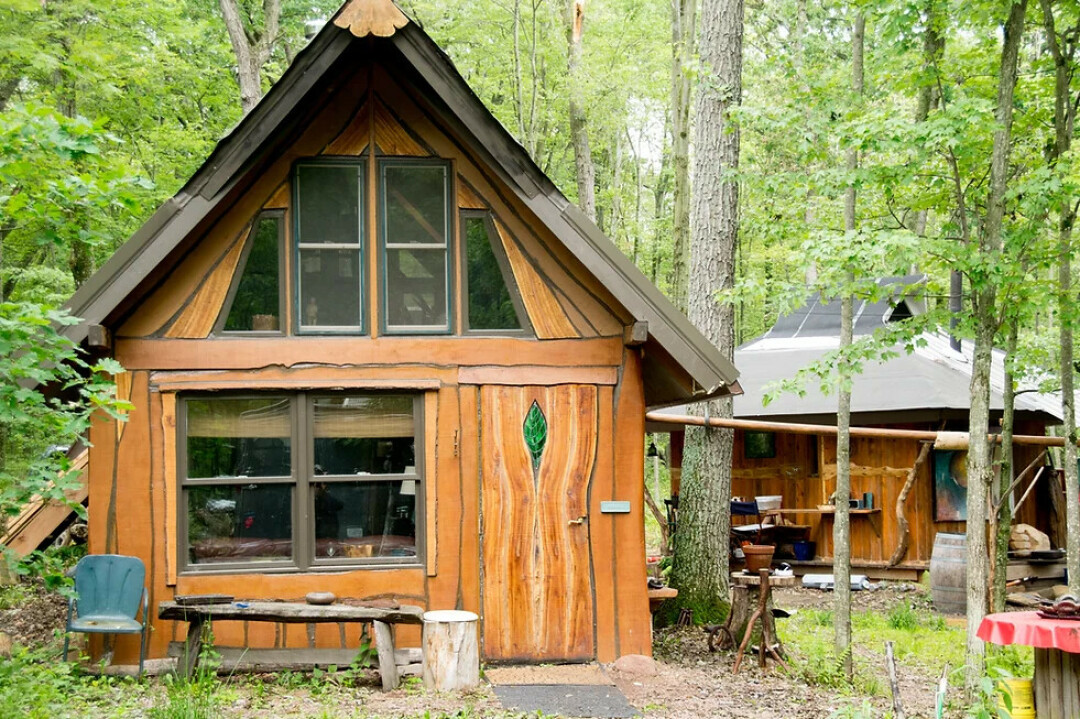
- Permitted Structures: Tiny homes, cabins, and unconventional dwellings may not meet local building codes. Always check what’s allowed before starting construction.
Researching these rules before you buy land is crucial. Contact your county planning office or consult local ordinances online to ensure your plans align with the law.
Water Rights and Waste Management for Off-Grid Properties
Access to water is a cornerstone of any successful homestead. However, water rights are often tightly regulated, especially in arid regions. In some states, collecting rainwater or drilling a well requires a permit, and there may be restrictions on how much water you can use.
- Well Drilling: Most jurisdictions require permits for new wells. Testing for water quality and quantity is often mandatory.
- Rainwater Harvesting: While legal in many areas, some states limit the amount you can collect or require specific storage methods.
- Septic Systems: Off-grid waste management typically involves septic tanks or composting toilets. Both are subject to health department regulations and must be installed to code.
Proper waste disposal is not just about compliance—it’s essential for protecting your land and health. Failing to follow these rules can result in fines or forced removal of systems.
Building Codes and Permits for Off-Grid Homesteads
Even if you own your land outright, you’re still subject to building codes and permit requirements. These rules are designed to ensure safety, but they can also limit your choices for construction and utilities.
- Building Permits: Most new structures, including cabins, barns, and sheds, require permits. Unpermitted buildings can be subject to demolition or hefty fines.
- Alternative Energy Systems: Solar panels, wind turbines, and battery banks may need to be inspected and approved, especially if they’re connected to any public grid.
- Fire and Safety Codes: Wood stoves, propane appliances, and off-grid heating systems must meet local fire safety standards.
It’s wise to work with local inspectors and contractors familiar with alternative building practices. They can help you navigate the permitting process and avoid common pitfalls.
Livestock, Agriculture, and Food Production Laws
Raising animals and growing your own food are central to homesteading, but these activities are also regulated. Local ordinances may dictate what types of animals you can keep, how many, and where they can be housed.
- Animal Limits: Some areas restrict the number or type of livestock, especially within certain distances of neighboring properties.
- Slaughter and Butchering: On-site processing of animals may be prohibited or require special permits.
- Farm Stands and Sales: Selling produce or eggs from your property often requires a business license or compliance with health regulations.
Understanding these rules can help you plan your homestead for both self-sufficiency and potential income. For a deeper dive into the cost of off-grid homesteading, see our detailed breakdown of expenses and hidden fees.
Power Generation and Utility Disconnects
Generating your own electricity is a key part of living independently. However, disconnecting from public utilities isn’t always as simple as flipping a switch. Some municipalities require that properties remain connected to water or power lines, even if you don’t use them.
- Mandatory Utility Connections: In certain areas, homes must be connected to the electric grid or municipal water as a condition of occupancy.
- Solar and Wind Permits: Installing alternative energy systems may require engineering approvals or inspections.
- Off-Grid Batteries: Large battery banks must meet fire and safety standards, and may be subject to hazardous materials regulations.
Before investing in solar panels or wind turbines, check with your local building department for any restrictions or incentives. For tips on maintaining your systems, our article on repairing off-grid systems covers common issues and solutions.
Emergency Preparedness and Legal Requirements
Being prepared for emergencies is vital, especially when living far from city services. Some states require that remote properties have access to emergency services or meet specific standards for fire prevention and evacuation.
- Fire Breaks: In wildfire-prone areas, you may be required to maintain defensible space around your home.
- Access Roads: Emergency vehicles must be able to reach your property, which can affect driveway design and maintenance.
- Communication: Some counties require landlines or other means of emergency communication for remote properties.
For a comprehensive look at preparing for the unexpected, see our off-grid emergency preparedness guide, which covers everything from first aid to backup power.
State and Federal Considerations for Homesteaders
While most rules are set at the local level, some state and federal laws also affect off-grid living. For example, the U.S. Department of Agriculture and Environmental Protection Agency may regulate certain agricultural practices, especially if you plan to sell food or raise specific livestock breeds.
Some states offer incentives for renewable energy or sustainable agriculture, while others impose restrictions on land use or water rights. Staying informed about these broader regulations can help you take advantage of available programs and avoid legal trouble.
For a step-by-step look at building a self-sufficient property, the Mother Earth News guide to building an off-grid homestead is a valuable resource.
Tips for Navigating Off-Grid Homestead Laws Successfully
Successfully establishing a legal and sustainable homestead requires careful planning and ongoing research. Here are some practical tips:
- Start with Research: Investigate local, state, and federal regulations before purchasing land or starting construction.
- Work with Professionals: Consult with real estate agents, contractors, and legal experts familiar with rural and off-grid properties.
- Document Everything: Keep copies of permits, inspections, and correspondence with officials.
- Stay Flexible: Be prepared to adjust your plans based on legal requirements and changing regulations.
- Connect with Others: Join local homesteading groups or online forums to share experiences and advice.
For those interested in developing essential abilities for rural life, our article on survival skills for homesteaders is a helpful resource.
Frequently Asked Questions
Are off-grid homesteads legal in every state?
The legality of off-grid living depends on state and local laws. While some states are more accommodating, others have strict zoning, building, and utility requirements. Always check with your local authorities before making plans.
Can I collect rainwater for my homestead?
Rainwater harvesting is legal in many areas, but some states have restrictions or require permits. It’s important to research your local regulations to ensure compliance.
Do I need a permit to build a tiny home or cabin off-grid?
Most jurisdictions require permits for any new residential structure, including tiny homes and cabins. Building without permits can lead to fines or forced removal, so always consult your local building department.
What are the most common legal issues for off-grid homesteaders?
Common challenges include zoning conflicts, unpermitted construction, water rights disputes, and improper waste disposal. Staying informed and working with local officials can help you avoid these pitfalls.