Preparing for emergencies when living independently from public utilities requires a unique approach. Whether you’re homesteading, living off the land, or simply seeking greater self-reliance, having a robust plan for unexpected situations is essential. This guide explores practical strategies, essential supplies, and actionable steps to help you build a resilient foundation for off-grid emergency preparedness.
From managing resources to maintaining critical systems, the right knowledge and tools can make all the difference. For those new to this lifestyle, understanding the basics of survival skills for homesteaders is a valuable starting point.
Understanding the Basics of Off-Grid Emergency Preparedness
Living away from conventional infrastructure means you’re responsible for your own safety, comfort, and survival during crises. Off-grid emergency preparedness involves anticipating potential risks—such as power outages, natural disasters, or supply chain disruptions—and putting measures in place to mitigate their impact.
- Risk Assessment: Identify hazards relevant to your location, such as storms, wildfires, or extreme temperatures.
- Resource Inventory: Take stock of your current supplies, including food, water, fuel, and medical items.
- Contingency Planning: Develop backup systems for power, water, and communication in case your primary setups fail.
Regularly reviewing and updating your plan ensures you’re ready to adapt as circumstances change.
Essential Supplies for Off-Grid Emergencies
Stockpiling the right resources is the cornerstone of any effective emergency plan. Focus on items that support both short-term survival and long-term sustainability.
- Water Storage & Purification: Store at least one gallon per person per day. Invest in filters, purification tablets, and rainwater collection systems.
- Non-Perishable Food: Maintain a rotating pantry of canned goods, grains, dried beans, and preserved produce. Consider growing your own food for added security.
- Medical Supplies: Keep a well-stocked first aid kit, prescription medications, and basic medical manuals.
- Lighting & Power: Solar lanterns, rechargeable batteries, and hand-crank devices are invaluable when the grid is down.
- Tools & Repair Kits: Basic hand tools, duct tape, and spare parts help you maintain essential systems. For more on this, see our guide to essential tools for off-grid living.

Building Resilient Off-Grid Systems
Reliable infrastructure is vital for weathering emergencies. Focus on redundancy and ease of repair for your most critical systems:
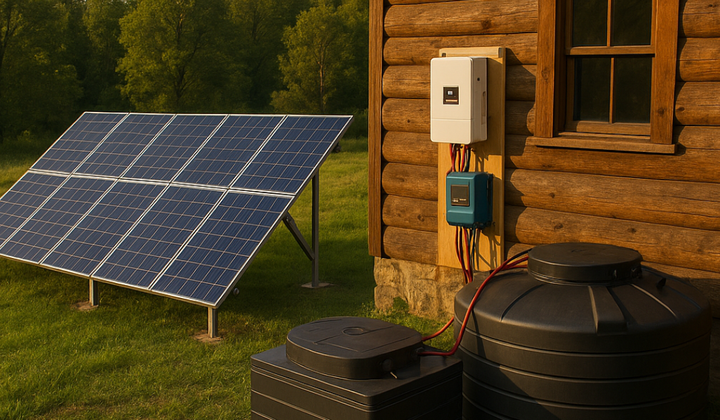
- Power: Solar panels, wind turbines, and backup generators offer multiple energy sources. Keep spare parts and know-how for repairing off-grid systems.
- Water: Wells, rainwater catchment, and gravity-fed systems reduce reliance on any single source.
- Sanitation: Composting toilets and greywater recycling help maintain hygiene when services are disrupted.
- Communication: Battery-powered radios and satellite messengers keep you informed and connected.
Regular maintenance and periodic testing of these systems are crucial to ensure they function when needed most.
Developing Emergency Procedures and Drills
Having supplies and systems in place is only part of the equation. Everyone in your household should know what to do during an emergency. Create clear procedures for:
- Evacuation: Identify safe routes and meeting points. Practice drills regularly.
- Fire Safety: Install extinguishers, smoke detectors, and clear brush around buildings.
- Medical Response: Assign roles for first aid, and ensure everyone knows how to use medical supplies.
- Security: Develop protocols for securing your property and responding to intruders or wildlife threats.
Document these procedures and review them with all household members at least twice a year.
Food Security and Self-Sufficiency Strategies
Growing and preserving your own food increases resilience and reduces dependence on outside sources. Consider these approaches:
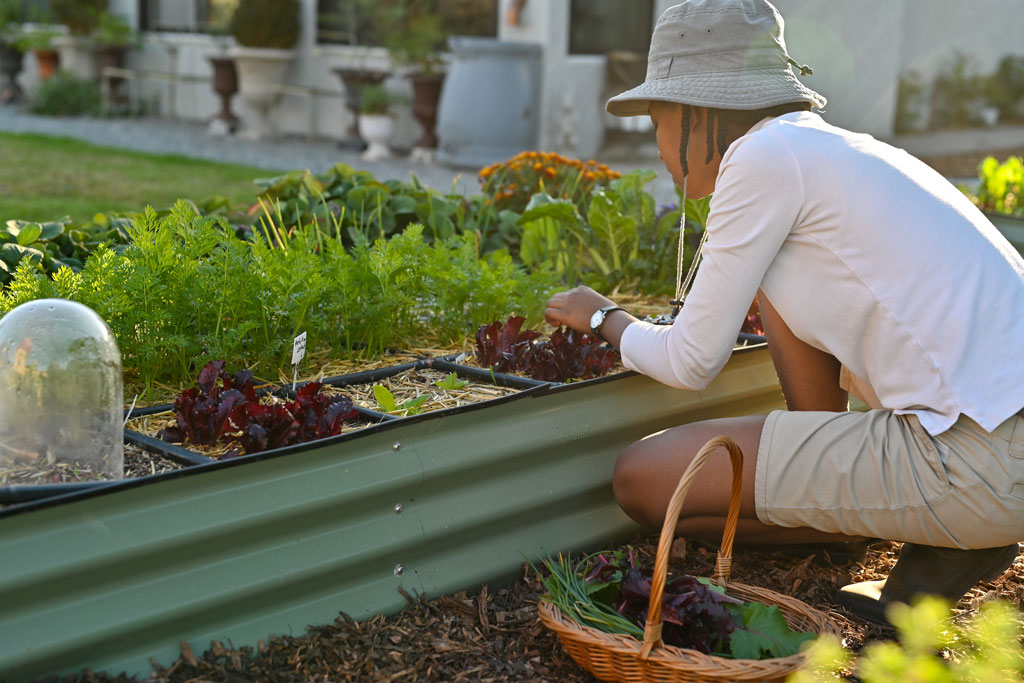
- Gardening: Raised beds, greenhouses, and permaculture techniques extend your growing season and productivity.
- Livestock: Chickens, goats, and rabbits provide reliable protein sources. Automate care where possible for efficiency.
- Preservation: Canning, dehydrating, and fermenting help you store surplus harvests for lean times.
- Seed Saving: Maintain a supply of heirloom seeds to ensure future crops.
For creative ideas to boost your homestead’s self-reliance, explore DIY off-grid projects that can be implemented with basic materials.
Practical Tips for Living Off the Grid During Emergencies
Experience and adaptability are key to thriving in challenging situations. Here are some practical suggestions for managing daily life when regular routines are disrupted:
- Conserve Resources: Ration water, fuel, and food as soon as a crisis begins to extend your supplies.
- Stay Informed: Use battery-powered radios to monitor weather and emergency updates.
- Maintain Morale: Keep routines, stay active, and support each other to reduce stress.
- Document Events: Keep a log of actions taken and issues encountered for future reference and improvement.
For those interested in learning how to start with minimal resources, this guide to living off the grid with no money offers practical advice.
Maintaining and Repairing Off-Grid Equipment
Equipment failures can quickly escalate during emergencies. Regular checks and basic repair skills are essential. Keep a toolkit with hand tools for homesteaders and spare parts for your most critical systems.
- Inspect solar panels, batteries, and wiring monthly.
- Test backup generators and water pumps regularly.
- Lubricate moving parts and replace worn components promptly.
- Document maintenance schedules and keep manuals accessible.
Frequently Asked Questions
What are the most important items to store for off-grid emergencies?
The essentials include potable water, non-perishable food, medical supplies, backup power sources, and basic tools. Having multiple ways to purify water and cook food is also critical.
How can I make my off-grid systems more resilient?
Invest in redundancy—such as having both solar and wind power—and learn basic repair skills. Regular maintenance and keeping spare parts on hand help ensure your systems remain operational during crises.
Where can I learn more about self-reliant living?
Explore resources on homesteading, survival skills, and DIY projects. Our articles on survival skills for homesteaders and DIY off-grid projects are excellent starting points.
Building a strong foundation for off-grid emergency preparedness is an ongoing process. With careful planning, the right tools, and a proactive mindset, you can confidently face whatever challenges come your way.