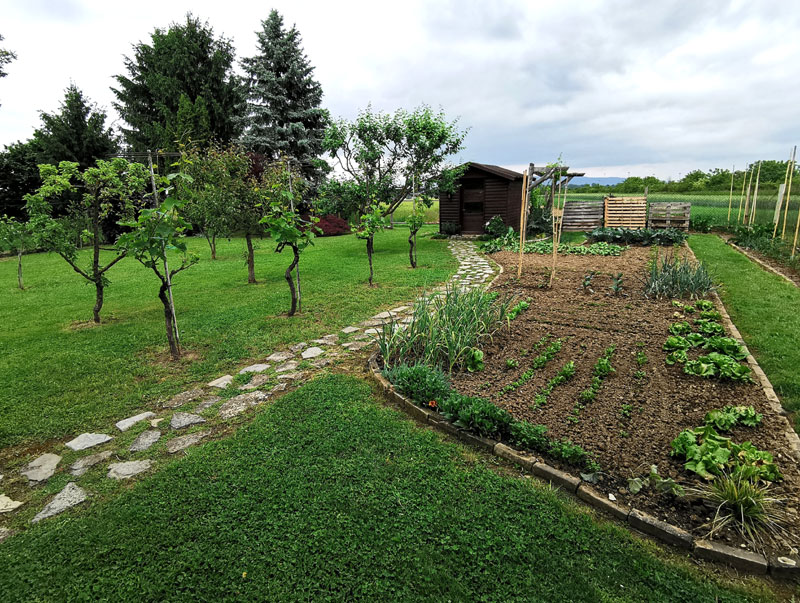
Embracing modern homesteading with limited resources is about making the most of what you have, whether you live in a rural area, suburb, or even an urban environment. Many people are drawn to the idea of self-sufficiency, but feel held back by a lack of land, money, or time. The truth is, you can start your journey toward a more sustainable lifestyle without a large property or a big budget. With creativity, planning, and a willingness to learn, anyone can take meaningful steps toward a more independent way of living.
This article explores practical strategies for growing food, conserving resources, and building essential skills when resources are tight. If you’re interested in adapting these principles to smaller living spaces, the modern homesteading for small spaces guide offers additional insights tailored to compact environments.
Getting Started: Assessing Your Space and Resources
The first step in any homesteading journey is to take stock of what you already have. Whether you own a small backyard, a balcony, or just a sunny windowsill, every bit of space can be put to use. Consider your available time, budget, and skills. Start small and focus on projects that offer the most value for your effort.
- Evaluate your space: Measure available areas for gardening or raising small animals.
- Inventory your tools: Gather basic gardening tools, containers, and any materials that can be repurposed.
- Set realistic goals: Choose one or two projects to begin with, such as a container garden or composting system.
Growing Food on a Budget
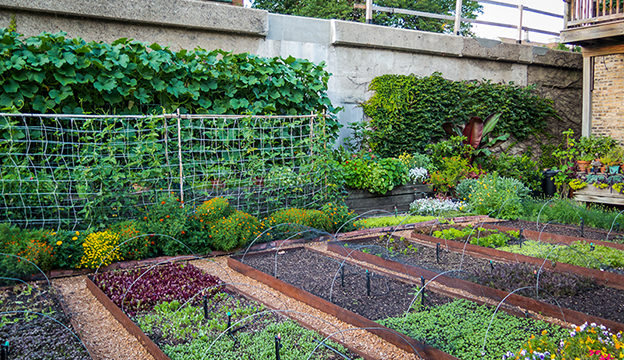
One of the most rewarding aspects of sustainable living is growing your own food. Even with limited land or funds, you can cultivate a surprising amount of produce. Start with easy-to-grow vegetables and herbs that thrive in your climate. Use recycled containers, old buckets, or even repurposed furniture as planters.
- Container gardening: Grow tomatoes, peppers, lettuce, and herbs in pots or buckets.
- Vertical gardening: Use trellises, shelves, or hanging baskets to maximize vertical space.
- Seed saving: Collect seeds from store-bought produce or swap with friends to save money.
For more in-depth advice on cultivating your own food, the modern homesteading gardening guide provides step-by-step tips for beginners and experienced gardeners alike.
Resourceful Living: Making the Most of What You Have
Living sustainably with limited means requires a mindset shift toward resourcefulness. Reuse, repair, and repurpose items whenever possible. Learn to see potential in everyday objects and materials.
- Composting: Turn kitchen scraps and yard waste into nutrient-rich soil. The modern homesteading composting guide is a valuable resource for getting started.
- Rainwater collection: Set up simple rain barrels to water your garden and reduce utility costs.
- DIY repairs: Learn basic skills for fixing tools, clothing, and household items instead of buying new.
Energy and Water Conservation for the Modern Homesteader
Reducing your reliance on utilities is a key part of sustainable living. Simple changes can lead to significant savings and a smaller environmental footprint.
- Install low-flow fixtures to conserve water in the kitchen and bathroom.
- Use energy-efficient lighting and unplug devices when not in use.
- Explore renewable options: The modern homesteading renewable energy basics article covers affordable ways to begin integrating solar or wind power.
Building Community and Sharing Resources
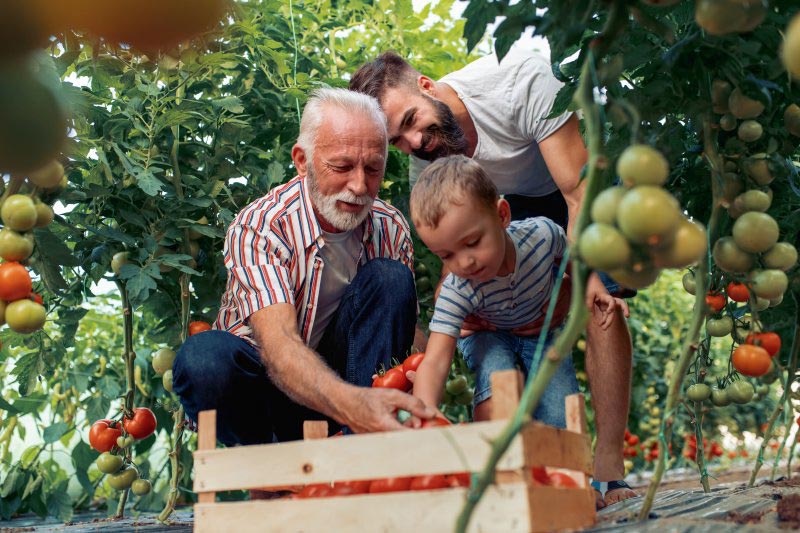
Homesteading doesn’t have to be a solitary pursuit. Connecting with neighbors, local groups, or online communities can help you access shared tools, seeds, and knowledge. Bartering and skill-sharing are time-tested ways to stretch your resources further.
- Join or start a local gardening club or tool library.
- Swap seeds, plants, or homemade goods with others in your area.
- Attend free workshops or online forums to learn new skills and connect with like-minded people.
For a broader perspective on the evolution of self-sufficient living, this overview of contemporary homesteading practices offers helpful context and inspiration.
Essential Skills for Sustainable Living
Developing practical abilities is at the heart of thriving with limited means. Focus on learning skills that save money, reduce waste, and increase your independence.
- Basic gardening and food preservation: Canning, dehydrating, and fermenting help you make the most of your harvest.
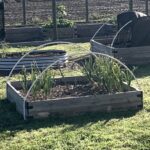
- Simple carpentry and repairs: Fixing fences, building raised beds, or repairing furniture can often be done with minimal tools.
- Cooking from scratch: Preparing meals using whole ingredients is healthier and more economical.
As you gain confidence, consider expanding your skill set to include small-scale livestock care, herbal remedies, or natural cleaning products.
Overcoming Common Challenges in Resource-Limited Homesteading
Pursuing a self-sufficient lifestyle with minimal resources comes with its own set of obstacles. Common issues include lack of space, time constraints, and budget limitations. The key is to approach each challenge with flexibility and a willingness to adapt.
- Start with manageable projects and build up as you gain experience.
- Seek out free or low-cost materials through community groups or online marketplaces.
- Celebrate small successes and learn from setbacks.
Remember, every step you take toward a more sustainable lifestyle—no matter how small—makes a difference.
FAQ: Practical Answers for Resourceful Homesteaders
What are the best crops to grow when space and money are limited?
Focus on high-yield, quick-growing vegetables like lettuce, radishes, and bush beans. Herbs such as basil, parsley, and chives also thrive in small containers and provide great value for minimal investment.
How can I start composting without a backyard?
Even apartment dwellers can compost using small bins or worm composters indoors. Kitchen scraps, coffee grounds, and shredded paper can be transformed into nutrient-rich soil for container gardens.
Is it possible to use renewable energy on a tight budget?
Yes, start small by installing a solar charger for devices or a solar-powered outdoor light. Over time, you can expand to larger systems as your budget allows. Many communities also offer incentives or grants for renewable energy projects.