Embracing modern homesteading vertical gardening tips can transform even the smallest spaces into productive, beautiful gardens. As more people seek ways to grow their own food and maximize their land, vertical gardening has become a practical solution for both rural and urban homesteaders. This approach not only saves space but also improves yields, reduces pests, and adds visual interest to your property.
Whether you’re working with a tiny backyard, a balcony, or a larger homestead, learning how to grow upwards opens up new possibilities. Before diving into specific techniques, it’s helpful to explore related resources like the modern homesteading canning guide to make the most of your harvests.

Why Choose Vertical Gardening for Homesteading?
Vertical gardening is more than a trend; it’s a smart way to make the most of your available space. By growing plants upwards, you can increase your harvest per square foot, improve air circulation, and reduce soil-borne diseases. This method is especially valuable for those who want to practice modern homesteading on limited land or in urban environments.
Some of the main benefits include:
- Space efficiency: Grow more in less area, perfect for small yards or patios.
- Improved plant health: Better airflow and sunlight exposure reduce mold and pests.
- Ease of maintenance: Less bending and weeding, making gardening accessible for all ages.
- Creative design: Vertical structures can be attractive features in your landscape.
Getting Started: Essential Tools and Materials
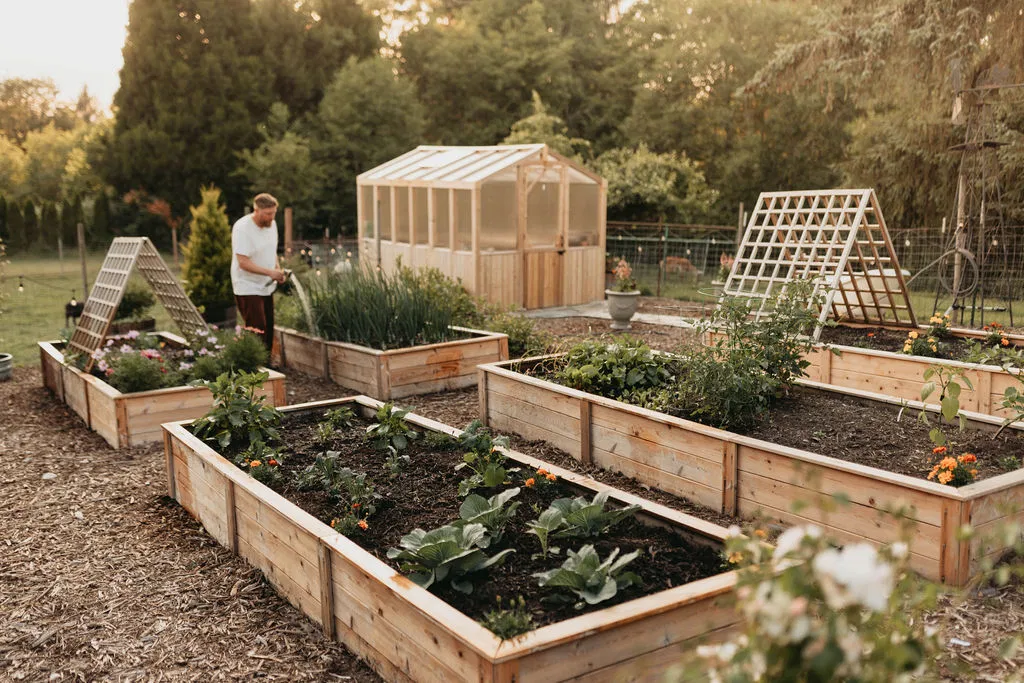
To begin your journey with vertical gardening, you’ll need a few basic supplies. Many homesteaders choose to repurpose materials they already have, which aligns with the sustainable spirit of self-sufficient living. Here’s what you’ll want on hand:
- Sturdy supports: Trellises, arbors, fences, or even old ladders can serve as vertical structures.
- Containers: Hanging baskets, wall-mounted planters, and stackable pots are ideal for small spaces.
- Quality soil: Use a lightweight, well-draining mix for containers and raised beds.
- Watering system: Drip irrigation or self-watering planters help maintain consistent moisture.
- Fasteners and ties: Soft plant ties, clips, or twine will secure vines and stems as they grow.
For those interested in broader homesteading skills, resources like the modern homesteading DIY projects guide can help you build your own supports and planters.
Top Plant Choices for Vertical Gardens
Not all crops are equally suited for vertical growth. When planning your garden, focus on varieties that naturally climb, trail, or can be easily trained upwards. Here are some of the best options for a productive vertical setup:
- Vining vegetables: Cucumbers, pole beans, peas, and squash thrive when given support.
- Climbing fruits: Tomatoes, strawberries (in towers or hanging baskets), and melons can be grown vertically with the right structure.
- Leafy greens: Lettuce, spinach, and Swiss chard work well in stacked planters or wall pockets.
- Herbs: Basil, oregano, thyme, and mint are ideal for small containers or vertical racks.
- Flowers: Nasturtiums, morning glories, and sweet peas add beauty and attract pollinators.
Building and Maintaining Vertical Structures
The key to a successful vertical garden is a strong, stable framework. Whether you’re using purchased trellises or homemade supports, ensure they can handle the weight of mature plants and withstand wind and weather. Here are some practical tips:
- Anchor structures securely in the ground or to a wall.
- Choose materials like galvanized steel, cedar, or recycled plastic for durability.
- Space supports to allow for airflow and easy harvesting.
- Regularly check ties and fasteners to prevent damage to stems.
- Rotate crops each season to maintain soil health and reduce pest buildup.
If you’re looking for inspiration on organizing your homestead for efficiency, the modern homesteading home organization tips article offers practical strategies that complement your gardening efforts.
Watering and Fertilizing for Vertical Gardens
Vertical gardens can dry out more quickly than traditional beds, especially in hot or windy conditions. Consistent watering is crucial. Consider these strategies:
- Install drip irrigation or soaker hoses to deliver water directly to roots.
- Mulch containers and beds to retain moisture.
- Use slow-release organic fertilizers or compost tea to provide steady nutrients.
- Monitor for signs of over- or under-watering, such as yellowing leaves or wilting.
For those interested in storing surplus produce, the modern homesteading food storage guide is a valuable companion to your gardening efforts.
Common Challenges and Solutions in Vertical Gardening
While growing upwards offers many benefits, it also comes with unique challenges. Here are some common issues and how to address them:
- Wind damage: Shield gardens with fencing or plant windbreaks if your site is exposed.
- Uneven watering: Check the top and bottom of vertical structures for moisture differences and adjust irrigation as needed.
- Pest control: Use row covers, encourage beneficial insects, and inspect plants regularly for early signs of trouble.
- Structural failure: Regularly inspect and reinforce supports, especially after storms or heavy rains.
For a broader understanding of self-sufficient living, this overview of homesteading principles provides helpful background and context.
Harvesting and Using Your Vertical Garden Bounty
One of the joys of vertical gardening is how easy it is to harvest fresh produce. Fruits and vegetables are often cleaner and more accessible, reducing the need for bending or kneeling. To make the most of your harvest:
- Pick crops regularly to encourage continued production.
- Use clean, sharp scissors or pruners to avoid damaging plants.
- Plan for preservation—canning, freezing, or drying—to extend your food supply. The modern homesteading root cellar ideas guide can help with long-term storage.
- Share surplus with neighbors or local food banks to build community connections.
FAQ: Vertical Gardening for Homesteaders
What are the best crops for vertical gardening on a homestead?
The most successful crops for vertical setups are those that naturally climb or can be easily trained. Pole beans, peas, cucumbers, tomatoes, strawberries, and many herbs are excellent choices. Leafy greens and some flowers also adapt well to stacked or wall-mounted planters.
How do I prevent my vertical garden from drying out too quickly?
Use mulch to retain moisture, install drip irrigation for consistent watering, and choose containers with good water-holding capacity. Regularly check soil moisture, especially during hot or windy weather, and adjust your watering schedule as needed.
Are there affordable ways to build vertical gardening structures?
Absolutely. Many homesteaders repurpose items like pallets, ladders, or old shelving to create vertical supports. DIY trellises from bamboo, branches, or recycled materials are cost-effective and customizable for your space.
Can vertical gardening work indoors or on balconies?
Yes, vertical gardening is ideal for balconies, patios, and even indoor spaces with sufficient light. Use compact containers, wall-mounted racks, or hanging baskets to grow herbs, greens, and small vegetables in limited areas.
By applying these modern homesteading vertical gardening tips, you can enjoy a more productive, attractive, and sustainable garden—no matter the size of your property.