Embracing modern homesteading permaculture principles means adopting a holistic approach to self-sufficiency, sustainability, and land stewardship. These concepts blend time-tested agricultural wisdom with innovative, eco-friendly strategies to create resilient, productive homesteads. Whether you’re new to the idea or looking to refine your practices, understanding these foundational guidelines can help you design a thriving, regenerative environment that supports both people and the planet.
Integrating permaculture into your homestead isn’t just about growing food—it’s about fostering a balanced ecosystem, conserving resources, and building a lifestyle that prioritizes long-term health for your land and community. For those interested in related topics, the modern homesteading and sustainability guide offers further insights into sustainable living strategies.
Core Ethics of Permaculture for Today’s Homesteader
At the heart of permaculture are three guiding ethics: Earth Care, People Care, and Fair Share. These principles provide a framework for decision-making and design, ensuring that every action benefits the environment, supports the well-being of individuals, and promotes equitable resource distribution.
- Earth Care: Prioritize practices that restore and protect soil, water, and biodiversity. This includes minimizing chemical inputs, encouraging wildlife habitats, and nurturing soil health.
- People Care: Design systems that meet the needs of your household and community, fostering health, safety, and connection.
- Fair Share: Recognize limits to consumption and redistribute surplus—whether it’s food, seeds, or knowledge—to support others and maintain balance.
Designing a Regenerative Homestead Landscape
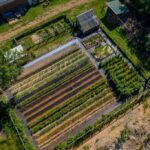
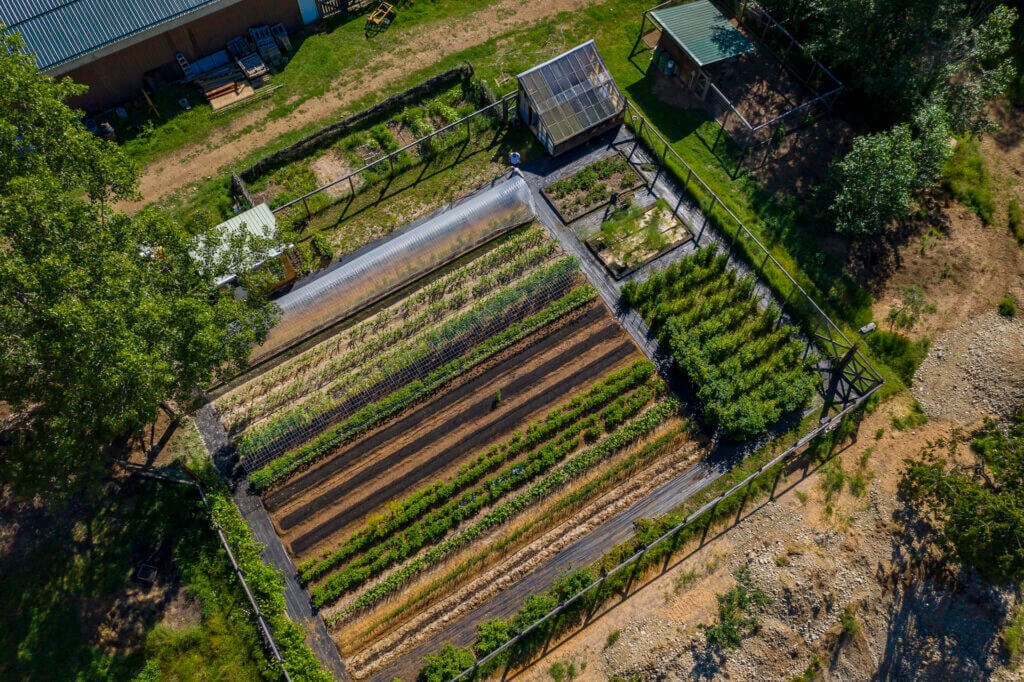
Applying permaculture design means observing your land’s unique characteristics and working with nature rather than against it. Start by mapping sun patterns, water flow, wind exposure, and existing vegetation. This observation phase helps you make informed decisions about where to place gardens, orchards, water catchment systems, and animal shelters.
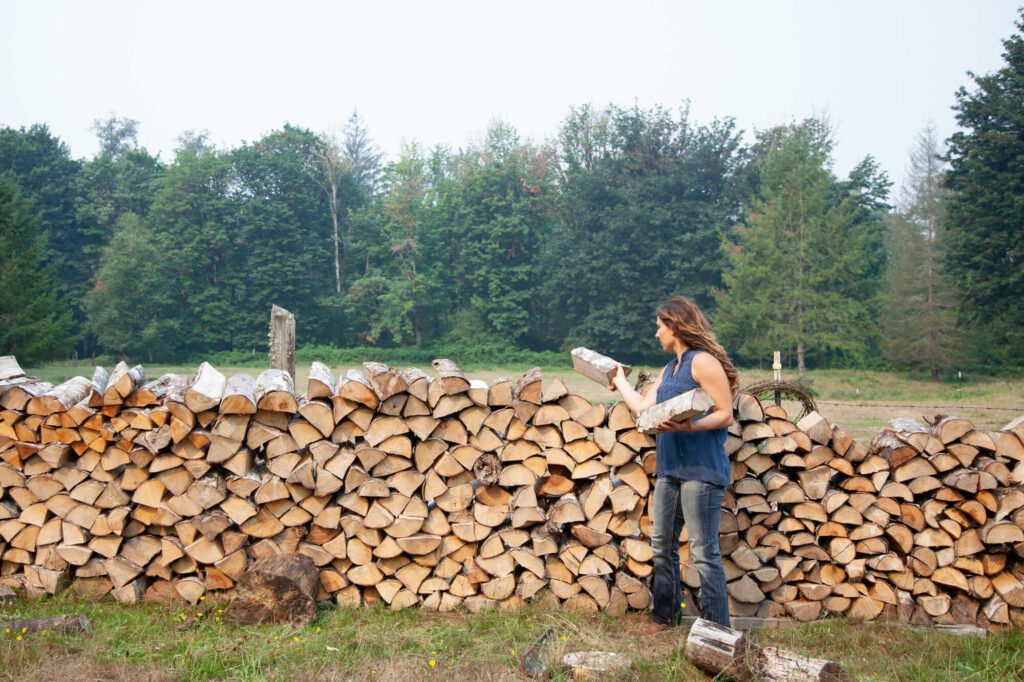
Zoning is a key concept: organize your homestead so that frequently used areas (like kitchen gardens or chicken coops) are close to your home, while less frequently accessed elements (such as woodlots or pasture) are further away. This reduces unnecessary labor and energy use.
Soil Health and Water Management Strategies
Healthy soil is the foundation of any productive homestead. Focus on building organic matter through composting, mulching, and cover cropping. Avoid tilling when possible to preserve soil structure and microbial life. For more detailed advice, the modern homesteading soil improvement tips can help you enhance fertility and resilience.
Water is another critical resource. Implementing rainwater harvesting, swales, and drip irrigation can help you conserve water and direct it where it’s needed most. Efficient water management not only supports plant growth but also reduces erosion and runoff. For step-by-step instructions, refer to the modern homesteading rainwater harvesting guide.
Integrating Polycultures and Perennial Systems
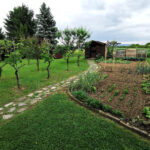
One of the most effective modern homesteading permaculture principles is to mimic natural ecosystems by planting a diverse mix of species. Polycultures—where multiple crops grow together—can reduce pests, improve yields, and enhance soil health. Perennial plants, such as fruit trees, berry bushes, and perennial vegetables, require less maintenance and provide long-term harvests.
Consider creating food forests, guilds, and layered gardens to maximize productivity and resilience. These systems offer habitat for beneficial insects and wildlife, further strengthening your homestead’s ecosystem.
Resource Cycling and Waste Reduction
A sustainable homestead seeks to close the loop on resources. Compost kitchen scraps and animal manure to enrich your soil. Reuse greywater for irrigation where safe and legal. Repurpose materials—like using old pallets for garden beds or rain barrels for water storage—to minimize waste and lower costs.
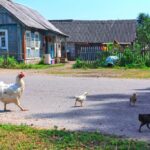
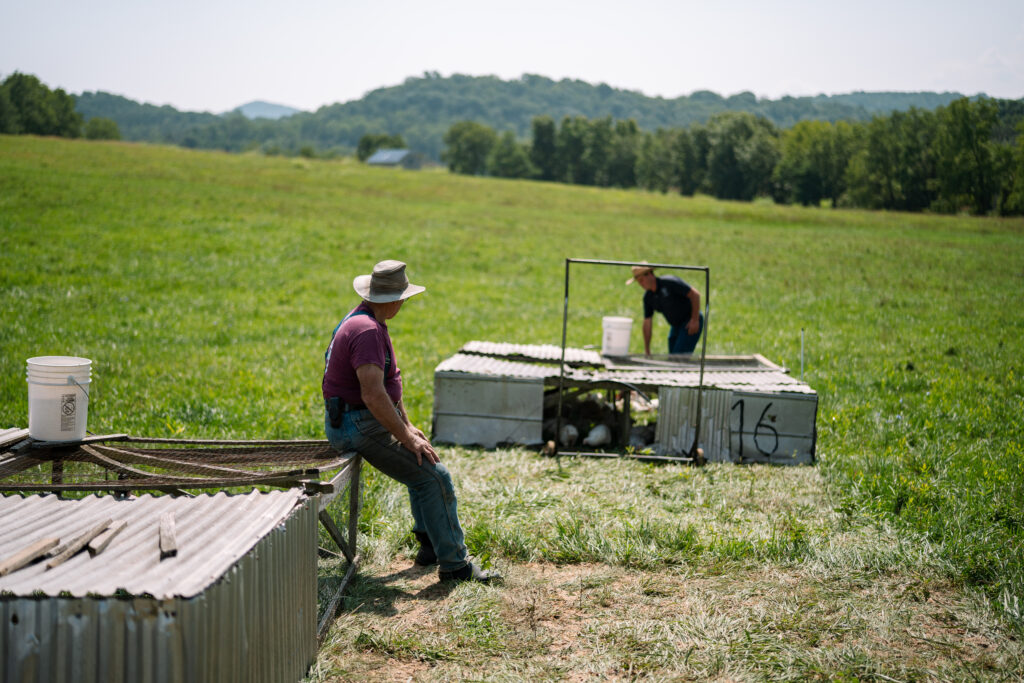
Animals can play a vital role in these cycles. Chickens, for example, convert food waste into eggs and manure, while goats or sheep can help manage brush and provide milk or fiber. Integrating livestock with gardens and orchards, when done thoughtfully, creates mutually beneficial relationships.
Seasonal Planning and Time Management
Successful homesteading requires careful planning and efficient use of time. Develop a yearly calendar for planting, harvesting, and maintenance tasks. Prioritize projects that offer the greatest long-term benefit, and break larger goals into manageable steps. For organizational strategies, the modern homesteading gardening calendar and modern homesteading time management tips offer practical guidance.
Remember that flexibility is key. Observe what works, adjust as needed, and celebrate small successes along the way.
Building Community and Sharing Knowledge
While self-reliance is a core value, no homestead exists in isolation. Sharing resources, trading skills, and collaborating with neighbors can strengthen your local food system and build resilience. Community-supported agriculture, seed swaps, and educational workshops are just a few ways to connect and learn from others.
For a broader perspective on how these ideas are shaping rural and urban lifestyles, explore this overview of modern homesteading trends and innovations.
Frequently Asked Questions
What are the main benefits of applying permaculture to a homestead?
Integrating permaculture concepts helps create a more resilient, productive, and environmentally friendly homestead. Benefits include improved soil fertility, reduced need for external inputs, increased biodiversity, and greater self-sufficiency.
How can beginners start using these principles?
Start by observing your land, learning about your local climate and soil, and gradually implementing small changes like composting, mulching, and planting diverse crops. Focus on one or two projects at a time and build from there.
Do I need a large property to practice permaculture?
No, these ideas can be adapted to any scale—from urban backyards to rural acreage. The key is to design systems that make the best use of available space and resources, regardless of property size.