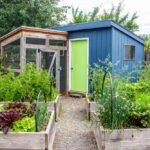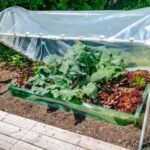
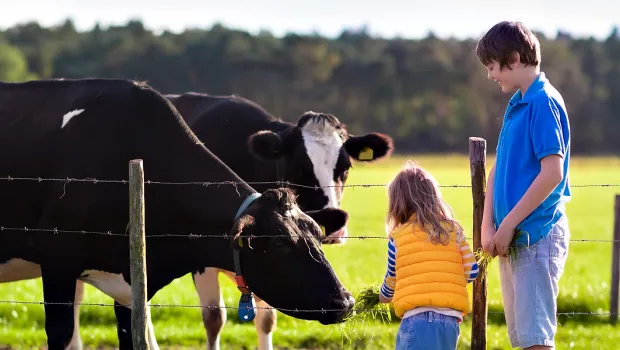
The modern homesteading lifestyle guide is attracting more people who want to live sustainably, become more self-sufficient, and reconnect with nature—without giving up the conveniences of the 21st century. This approach blends traditional skills such as gardening, food preservation, and animal care with new technologies and flexible mindsets. Whether you live on several acres or in a suburban neighborhood, adopting these principles can help you reduce your environmental impact, save money, and enjoy a healthier, more intentional way of life.
If you’re curious about how to get started or want to deepen your understanding of this movement, this article will walk you through the essentials, practical steps, and key considerations for embracing a contemporary approach to self-reliance. For those interested in comparing different approaches, you may also want to explore the modern homesteading vs traditional homesteading to see how values and practices have evolved.
What Sets Contemporary Homesteading Apart?
Unlike the back-to-the-land movements of the past, today’s homesteaders often blend rural traditions with modern conveniences. Many use the internet to learn new skills, connect with others, and even run home-based businesses. This flexible approach means you don’t need a large farm to participate—urban and suburban homesteading are just as valid, focusing on maximizing available space and resources.
The core values remain: self-reliance, sustainability, and a commitment to learning practical skills. However, the tools and methods have evolved. Solar panels, rainwater harvesting systems, and digital record-keeping are as much a part of the toolkit as canning jars and compost bins.
Key Elements of a Modern Homesteading Lifestyle Guide
Adopting this way of life involves several interconnected practices. Here are the main pillars that most guides emphasize:
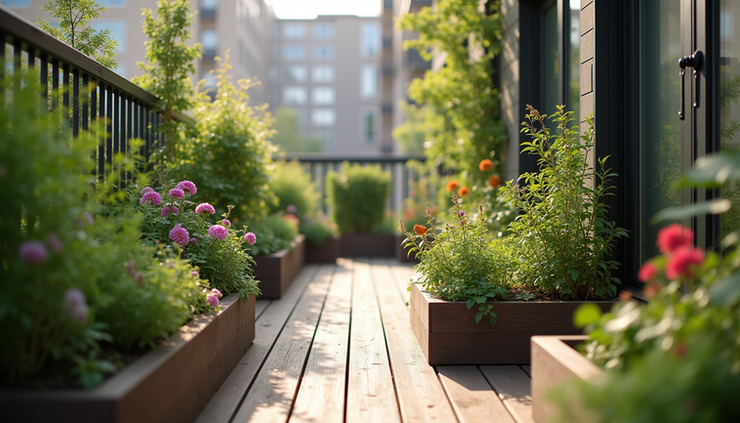
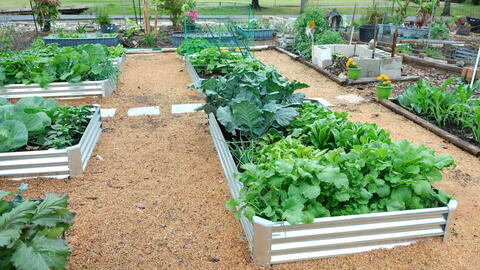
- Growing Your Own Food: Whether it’s a backyard garden, raised beds, or container gardening on a balcony, producing even a portion of your own vegetables and herbs is central.
- Raising Animals: Chickens for eggs, goats for milk, or bees for honey—animal husbandry can be scaled to fit your space and interests.
- Food Preservation: Canning, dehydrating, fermenting, and freezing help you make the most of seasonal harvests and reduce food waste.
- DIY and Home Skills: From baking bread to making soap, learning to create household essentials fosters independence and creativity.
- Resource Conservation: Composting, recycling, and using renewable energy sources are key for reducing your ecological footprint.
- Community Engagement: Sharing knowledge, trading goods, and supporting local producers strengthen both skills and relationships.
Getting Started: Practical Steps for Beginners
If you’re new to these ideas, it’s best to start small and build your skills gradually. Many people find it helpful to follow a modern homesteading for beginners approach, focusing on one or two projects at a time. Here’s how to begin:
- Assess Your Space and Resources: Take stock of your yard, balcony, or even sunny windowsills. Every bit of space can be put to use.
- Set Realistic Goals: Decide what’s most important to you—fresh produce, reducing waste, or learning new skills—and prioritize accordingly.
- Start with Easy Wins: Herbs, salad greens, and sprouts are quick to grow and require minimal space. Composting kitchen scraps is another simple first step.
- Learn Continuously: Use online resources, books, and local workshops to expand your knowledge. The learning curve is ongoing, but rewarding.
- Connect with Others: Find local groups or online communities for support, advice, and inspiration.
Essential Skills and Tools for Self-Sufficiency
Building a resilient homestead means developing a range of practical abilities. Here are some of the most valuable skills and tools for anyone following a modern homesteading lifestyle guide:
- Gardening: Understanding soil health, crop rotation, and organic pest control.
- Animal Care: Basic veterinary skills, building shelters, and ethical animal husbandry.
- Food Preservation: Safe canning, fermenting, and dehydrating techniques.
- Handyman Skills: Simple carpentry, plumbing repairs, and tool maintenance.
- Renewable Energy: Installing and maintaining solar panels or small wind turbines.
- Water Management: Rainwater collection, greywater systems, and efficient irrigation.
Benefits and Challenges of Embracing This Way of Life
The rewards of a self-sufficient lifestyle are significant, but it’s important to recognize the challenges as well. Many people are drawn to the benefits of modern homesteading, such as improved health, reduced expenses, and a stronger sense of purpose. However, it also requires time, effort, and a willingness to learn from mistakes.
Some common benefits include:
- Greater control over food quality and sources
- Reduced reliance on commercial supply chains
- Opportunities for creativity and lifelong learning
- Stronger family and community bonds
On the other hand, challenges may involve:
- Initial setup costs for tools, seeds, or animals
- Time investment in daily chores and seasonal tasks
- Learning curves for new skills
- Dealing with unpredictable weather or pests
Inspiration and Ideas for Sustainable Living
There are countless ways to personalize your approach. For creative strategies, check out these modern homesteading ideas that can help you adapt to your unique situation, whether you’re in the city, suburbs, or countryside.
Some popular projects include:
- Building raised garden beds or vertical gardens
- Setting up a backyard chicken coop
- Making homemade cleaning and personal care products
- Installing a rain barrel or greywater system
- Hosting skill-sharing workshops with neighbors
For a step-by-step breakdown from another perspective, you might find value in this comprehensive guide to starting a homestead that covers everything from mindset to practical planning.
Tips for Long-Term Success and Growth
Staying motivated and resilient is key. Consider these modern homesteading tips for building habits that last:
- Keep Learning: The world of self-sufficiency is always evolving. Stay curious and open to new ideas.
- Document Your Progress: Journaling your successes and failures helps you improve and celebrate milestones.
- Share Knowledge: Teaching others not only strengthens your own skills but also builds community resilience.
- Be Flexible: Adapt your plans as circumstances change—weather, family needs, or available resources.
- Prioritize Well-Being: Remember that rest and enjoyment are just as important as productivity.
Frequently Asked Questions
Can I practice modern homesteading in an apartment or small space?
Absolutely. Many people grow herbs, microgreens, or small vegetables in containers on balconies or windowsills. You can also compost with a worm bin, make homemade products, and learn food preservation skills regardless of your living situation.
What are the first steps for someone new to this lifestyle?
Start by identifying your goals and available resources. Begin with simple projects like growing a few herbs, starting a compost bin, or learning to bake bread. Gradually expand as your confidence and skills grow.
How much time does it take to maintain a homestead?
The time commitment varies depending on the scale of your activities. Small gardens or a few chickens require less time than managing multiple animals or large plots. Planning, organization, and involving family members can help balance the workload.