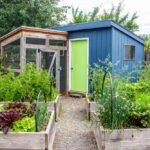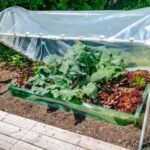
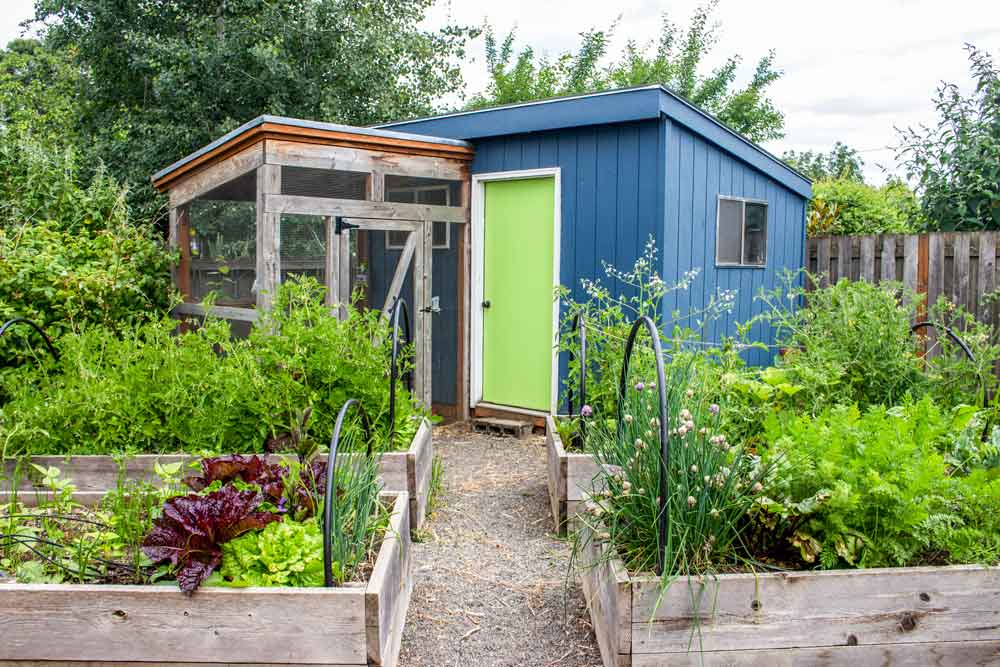
Embracing a modern homesteading guide for families is about blending traditional self-sufficiency with today’s conveniences. For many households, this means growing food, raising animals, and adopting sustainable habits—without giving up the benefits of modern life. Whether you live on several acres or in a suburban neighborhood, it’s possible to create a thriving, resilient home environment that brings your family closer to nature and each other.
This article explores practical steps, essential skills, and helpful resources for families interested in a more self-reliant lifestyle. We’ll cover everything from starting a garden to managing daily routines, while highlighting the unique advantages of contemporary homesteading. For a deeper look at daily rhythms, check out the modern homesteading daily routine guide.
What Is Modern Homesteading?
At its core, modern homesteading is about making intentional choices to produce more of what your family consumes—food, energy, and household goods—while reducing reliance on outside systems. Unlike traditional homesteading, which often required complete isolation and self-sufficiency, today’s approach is flexible and adaptable. Families can pick and choose the practices that fit their needs, space, and skills.
The movement has grown in popularity as more people seek healthier food, reduced expenses, and a closer connection to the land. For a detailed comparison, see the modern homesteading vs traditional homesteading article.
Getting Started: Steps for Family Homesteaders
Beginning your family’s journey toward self-reliance doesn’t require a complete lifestyle overhaul. Start small, set realistic goals, and involve everyone in the process. Here are some foundational steps:
- Assess your resources: Take stock of your available land, time, and budget. Even a small backyard or patio can support a productive garden or a few chickens.
- Set priorities: Decide which aspects of homesteading matter most to your family—growing vegetables, raising animals, preserving food, or reducing waste.
- Learn together: Involve children and adults alike in planning, planting, and caring for your homestead. Shared responsibilities foster teamwork and resilience.
- Start with one project: Focus on a single goal, such as building a raised bed or installing a rain barrel, before expanding to more complex activities.

Essential Skills for the Modern Homestead
Building a successful homestead involves learning new skills and adapting old ones. Here are some key areas where families can focus their efforts:
- Gardening: Growing fruits, vegetables, and herbs is the cornerstone of self-sufficiency. Start with easy crops like lettuce, tomatoes, and beans, and gradually expand as your confidence grows.
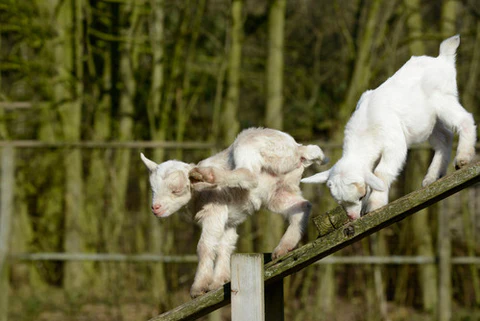
- Animal care: Raising chickens, rabbits, or goats can provide eggs, meat, and milk. Choose animals that fit your space and lifestyle, and research their needs before bringing them home.
- Food preservation: Learn how to can, freeze, or dehydrate produce to enjoy homegrown food year-round.
- Composting: Turning kitchen scraps and yard waste into nutrient-rich compost reduces landfill waste and improves garden soil.
- Basic repairs: Simple carpentry, plumbing, and electrical skills can save money and increase your independence.
For more on integrating these practices into your daily life, visit the modern homesteading practices resource.
Family-Friendly Projects and Activities
One of the joys of homesteading is involving the whole family in meaningful, hands-on projects. Here are a few ideas that are both practical and fun:
- Building raised beds: Constructing garden boxes is a manageable project for all ages and provides a great introduction to growing food.
- Backyard chickens: Caring for hens teaches responsibility and provides fresh eggs. Many urban areas now allow small flocks with minimal space requirements.
- Herb gardens: Planting herbs in containers or window boxes is a simple way to start growing your own ingredients.
- DIY rainwater collection: Setting up a rain barrel helps conserve water and can be a rewarding science lesson for kids.
- Composting bins: Building or buying a compost bin encourages recycling and supports healthy soil.
Benefits of a Contemporary Homestead Lifestyle
Families who embrace this approach often report a range of rewards, from improved health to stronger relationships. Some of the main advantages include:
- Healthier food choices: Homegrown produce and ethically raised animals offer fresher, more nutritious meals.
- Cost savings: Producing your own food and goods can reduce grocery bills and household expenses.
- Environmental impact: Sustainable practices like composting, rainwater harvesting, and organic gardening help protect the planet.
- Life skills: Children and adults alike gain valuable knowledge in problem-solving, teamwork, and resilience.
- Sense of accomplishment: Completing projects and seeing tangible results fosters pride and satisfaction.
To explore more about the benefits of modern homesteading, visit our in-depth guide.
Resources and Community Support
No family has to go it alone. There are countless online communities, local groups, and educational resources dedicated to helping new and experienced homesteaders. For a comprehensive overview of what homesteading involves and how to get started, see this detailed introduction to homesteading.
You can also find support through local extension offices, gardening clubs, and farmers’ markets. Sharing experiences, trading goods, and learning from others can make your journey more enjoyable and successful.
Frequently Asked Questions
Can families start homesteading in urban or suburban areas?
Absolutely. Many homesteading practices, such as container gardening, composting, and keeping a few hens, are possible even in small spaces. The key is to adapt your goals to your available resources and local regulations.
How much time does it take to maintain a homestead?
The time commitment depends on the scale of your projects and the number of activities you take on. Starting small and gradually adding new tasks allows families to find a balance that fits their schedules.
What are the most important skills to learn first?
Gardening and basic animal care are great starting points. Learning how to grow food, care for a few animals, and preserve your harvest will provide a solid foundation for further self-sufficiency.
Is modern homesteading expensive to begin?
Many aspects can be started with minimal investment, especially if you repurpose materials or start with seeds and small projects. Over time, the savings on food and household goods can offset initial costs.
Conclusion
Adopting a modern homesteading guide for families approach is about making thoughtful choices that benefit your household and the environment. By starting small, learning together, and connecting with supportive communities, families can enjoy the rewards of a more self-reliant and sustainable lifestyle. Whether your goal is to grow your own food, reduce waste, or simply spend more time outdoors, there’s a place for everyone on the modern homestead.
For a comprehensive overview of this lifestyle, visit our modern homesteading lifestyle guide.