Embracing a homesteading lifestyle means taking a hands-on approach to food, sustainability, and self-reliance. For many, cultivating a productive garden is at the heart of this journey. Whether you’re working with a small backyard or a larger rural plot, applying modern homesteading gardening guide principles can help you grow healthy food, reduce waste, and foster a deeper connection to your land.
This article explores practical strategies for planning, planting, and maintaining a thriving homestead garden using up-to-date techniques. If you’re interested in integrating gardening into your daily routine, you may also find the modern homesteading daily routine resource helpful for building sustainable habits.
Getting Started with a Productive Homestead Garden
Before you plant your first seed, it’s important to assess your available space, climate, and resources. A successful garden starts with careful planning and realistic goals. Consider these foundational steps:
- Site Selection: Choose an area with at least six hours of sunlight per day and good drainage.
- Soil Preparation: Test your soil for nutrients and pH. Amend with compost or organic matter to boost fertility.
- Water Access: Ensure you have a reliable water source nearby. Drip irrigation or soaker hoses can save time and water.
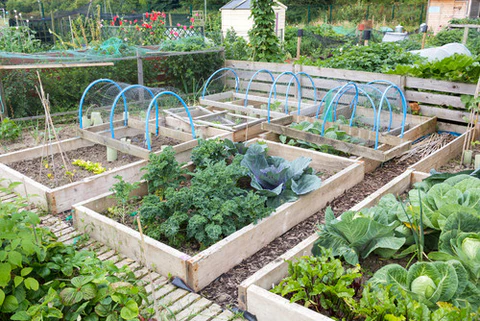
- Garden Layout: Sketch a plan for your beds, considering crop rotation and companion planting to maximize productivity.
Essential Skills for Modern Homesteading Gardeners
Building a resilient garden involves more than just planting seeds. Today’s homesteaders combine traditional wisdom with innovative methods to achieve sustainable results. Here are some key skills to develop:
- Composting: Transform kitchen scraps and yard waste into nutrient-rich soil amendments.
- Seed Starting: Grow your own seedlings indoors to extend your growing season and save money.
- Integrated Pest Management: Use natural predators, crop rotation, and organic solutions to control pests without harsh chemicals.
- Water Conservation: Collect rainwater and mulch garden beds to retain moisture and reduce water use.
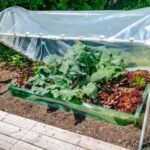
- Season Extension: Utilize cold frames, row covers, or greenhouses to harvest fresh produce beyond the typical season.
For a broader look at sustainable living, the modern homesteading practices guide offers additional insights into daily self-sufficiency.
Planning Your Garden with a Modern Homesteading Approach
A well-planned garden is the backbone of any homestead. Start by identifying your family’s favorite vegetables and herbs, then research which varieties thrive in your region. Consider succession planting to keep your beds productive throughout the year.
Many homesteaders find value in keeping a garden journal to track planting dates, weather patterns, and harvest yields. This record-keeping helps refine your approach each season and supports long-term success.

Choosing Crops for Your Homestead
Selecting the right crops is crucial for maximizing your harvest and minimizing frustration. Focus on plants that are well-suited to your climate and soil. Common choices for homestead gardens include:
- Tomatoes, peppers, and beans for summer abundance
- Leafy greens like lettuce, kale, and spinach for early and late season harvests
- Root crops such as carrots, beets, and potatoes for storage and winter use
- Herbs like basil, parsley, and thyme for culinary and medicinal purposes
- Perennial fruits (strawberries, raspberries, rhubarb) for ongoing yields
Rotating crops each year helps prevent soil depletion and reduces pest problems. For more on the differences between contemporary and traditional approaches, see the modern homesteading vs traditional homesteading comparison.
Maintaining and Improving Your Garden
Consistent care is key to a thriving garden. Regular weeding, mulching, and monitoring for pests will keep your plants healthy. Consider these ongoing tasks:
- Mulching: Apply organic mulch to suppress weeds and retain soil moisture.
- Pruning: Remove dead or diseased growth to encourage healthy plants.
- Harvesting: Pick crops at their peak for the best flavor and nutrition.
- Soil Health: Add compost or cover crops at the end of the season to replenish nutrients.
If you’re curious about the broader advantages of this lifestyle, the benefits of modern homesteading article highlights the positive impacts on health, finances, and the environment.
Incorporating Technology and Community Resources
While homesteading often draws on traditional methods, today’s gardeners benefit from a range of modern tools and community support. Online forums, local gardening clubs, and digital planning apps can streamline your efforts and connect you with like-minded individuals.
For more inspiration and practical advice, explore this comprehensive overview of modern homesteading trends to see how others are adapting these principles in diverse settings.
Frequently Asked Questions
What are the first steps for someone new to homestead gardening?
Begin by assessing your available space, sunlight, and soil quality. Start small with a few easy-to-grow crops, and gradually expand as you gain experience. Learning about composting, soil health, and basic pest management will set a strong foundation.
How can I make my garden more sustainable?
Focus on building healthy soil with compost and organic matter, practice crop rotation, and use water-saving techniques like mulching and drip irrigation. Growing heirloom or open-pollinated seeds and saving them each year also supports long-term sustainability.
Is it possible to homestead in an urban or suburban setting?
Absolutely. Many people successfully grow food on balconies, rooftops, or small yards using raised beds, containers, and vertical gardening. Community gardens and local resources can also help urban dwellers embrace homesteading values.
Conclusion
Adopting a modern homesteading gardening guide approach empowers you to grow your own food, reduce your environmental impact, and enjoy the rewards of self-sufficiency. By combining time-tested techniques with new resources, anyone can cultivate a productive and resilient garden—no matter where they live.
For a deeper dive into the homesteading lifestyle, the modern homesteading lifestyle guide offers comprehensive advice on integrating these practices into daily life.