Planning a productive homestead garden requires more than just enthusiasm and seeds. A well-structured modern homesteading gardening calendar helps you organize tasks, anticipate seasonal changes, and maximize yields throughout the year. Whether you’re new to homesteading or refining your approach, understanding the rhythm of planting, tending, and harvesting is key to a thriving, sustainable garden.
This guide outlines how to build a practical gardening schedule tailored for today’s homesteaders. Along the way, you’ll find tips for aligning your efforts with nature’s cycles, managing time efficiently, and making the most of your land—no matter the size of your plot. For a broader perspective on sustainable living, you might also explore the modern homesteading and sustainability resource, which covers foundational principles that complement your gardening journey.
Why a Seasonal Gardening Schedule Matters for Homesteaders
A thoughtfully designed gardening calendar is more than a to-do list—it’s a strategic tool. By mapping out your planting and maintenance activities, you can:
- Optimize planting times for each crop based on your climate and frost dates
- Reduce stress by spreading out labor-intensive tasks
- Ensure a continuous harvest, avoiding feast-or-famine cycles
- Coordinate garden work with other homestead responsibilities
Modern homesteaders often juggle multiple projects, from livestock care to food preservation. A clear schedule helps you prioritize, delegate, and adapt as needed—especially when unpredictable weather or life events arise.
Key Elements of a Productive Homestead Gardening Planner
Building an effective gardening calendar involves more than jotting down planting dates. Consider these essential components:
- Frost dates: Know your region’s average last spring and first fall frost to time plantings accurately.
- Succession planting: Plan for multiple rounds of crops in the same space to maximize output.
- Crop rotation: Rotate plant families each year to maintain soil health and reduce pest pressure.
- Maintenance tasks: Schedule weeding, watering, mulching, and pest monitoring.
- Harvest windows: Track expected harvest periods to prepare for preservation or market sales.
Monthly Breakdown: What to Do and When
Every region has its own climate quirks, but most homesteaders can follow a general month-by-month rhythm. Here’s a sample breakdown to help you get started:
| Month | Key Gardening Tasks |
|---|---|
| January–February | Order seeds, plan garden layout, start early seedlings indoors |
| March–April | Prepare beds, direct sow cool-season crops, transplant hardy seedlings |
| May–June | Plant warm-season crops, mulch, begin regular weeding and watering |
| July–August | Harvest early crops, succession sow, monitor for pests and diseases |
| September–October | Harvest main crops, plant fall greens, start cover crops |
| November–December | Clean up beds, compost, review successes and plan for next year |
Adjust this template based on your local conditions and the specific vegetables, herbs, or flowers you grow. For more detailed time management strategies, see the modern homesteading time management tips guide.
Adapting Your Gardening Calendar to Modern Homesteading Needs
Today’s homesteaders often blend traditional wisdom with new technologies and flexible lifestyles. Here are ways to make your gardening planner work for you:
- Digital tools: Use apps or spreadsheets for reminders and record-keeping.
- Community input: Collaborate with neighbors or local gardening groups to share resources and advice.
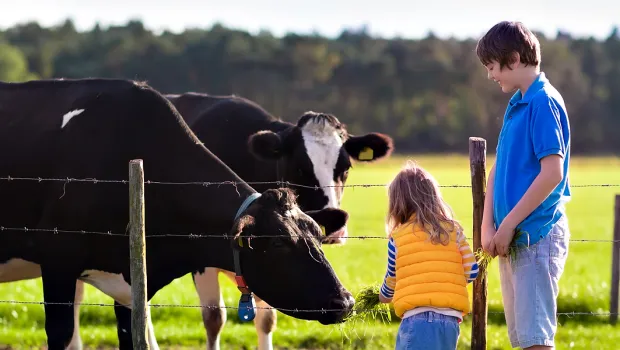
- Family involvement: Assign age-appropriate tasks to children or other household members.
- Continuous learning: Track what works and adjust your calendar each year for better results.
If you’re just starting out, you might appreciate this comprehensive introduction to starting a homestead, which covers everything from site selection to long-term planning.
Integrating Livestock, Meal Planning, and Community into Your Schedule
Gardening is just one part of a holistic homestead. As you organize your calendar, consider how it intersects with other priorities:
- Livestock care: Align planting and harvesting with animal routines. For example, use garden waste as supplemental feed or compost.
- Meal planning: Coordinate harvests with your family’s dietary needs. For inspiration, check out these modern homesteading meal planning tips.
- Community building: Share surplus produce, seeds, or knowledge with neighbors. Learn more about fostering connections in the modern homesteading community building ideas article.
By viewing your gardening efforts as part of a larger system, you’ll create a more resilient and rewarding homestead.
Common Pitfalls and How to Avoid Them
Even experienced gardeners encounter setbacks. Here are some frequent challenges and practical solutions:
- Overambitious plans: Start small and scale up as you gain confidence. It’s better to master a few crops than to be overwhelmed by too many.
- Ignoring local climate: Consult regional planting guides and talk to other homesteaders about what grows best in your area.
- Poor record-keeping: Keep notes on what you plant, when, and the outcomes. This helps refine your calendar year after year.
- Neglecting soil health: Rotate crops, add organic matter, and test your soil regularly to prevent nutrient depletion.
For those raising chickens or other animals, integrating their needs into your gardening routine can also prevent unnecessary stress. The modern homesteading chicken care guide offers practical advice for balancing animal and plant care.
Frequently Asked Questions
How do I determine the best planting dates for my region?
Start by finding your USDA hardiness zone and local average frost dates. Many cooperative extension offices provide region-specific planting calendars. Adjust your schedule based on microclimates in your yard and keep records to fine-tune timing each year.
What’s the easiest way to keep track of my gardening tasks?
Many homesteaders use a combination of wall calendars, digital apps, and simple notebooks. Choose a system you’ll actually use. Some prefer printable templates, while others like smartphone reminders. The key is consistency and reviewing your notes regularly.
How can I involve my family or community in the gardening process?
Assign age-appropriate tasks to children, such as watering or harvesting. Host planting days or harvest parties with neighbors. Sharing seeds, tools, and knowledge builds stronger community ties and makes the workload lighter and more enjoyable.