Embracing modern homesteading for small spaces is an increasingly popular way to live more sustainably, even in urban or suburban environments. Many people assume that self-sufficiency requires acres of land, but with the right strategies, you can grow food, reduce waste, and foster a more intentional lifestyle in apartments, condos, or small yards. This approach focuses on maximizing available resources, making thoughtful choices, and integrating simple, effective systems into your daily routine.
Whether you’re interested in growing your own herbs on a balcony, composting kitchen scraps, or keeping a few backyard chickens, there are countless ways to adapt homesteading principles to fit your space. By starting small and building on your successes, you can enjoy the benefits of homegrown food, reduced expenses, and a deeper connection to your environment.
For those looking to expand their knowledge, exploring topics like modern homesteading renewable energy basics can provide valuable insights into making your small-space homestead even more efficient and eco-friendly.
Getting Started with Urban Homesteading
The key to successful small-scale homesteading is to focus on what you can control and optimize. Begin by assessing your space—do you have a sunny windowsill, a balcony, or a small backyard? Each area offers unique opportunities for growing food, raising animals, or implementing sustainable practices.
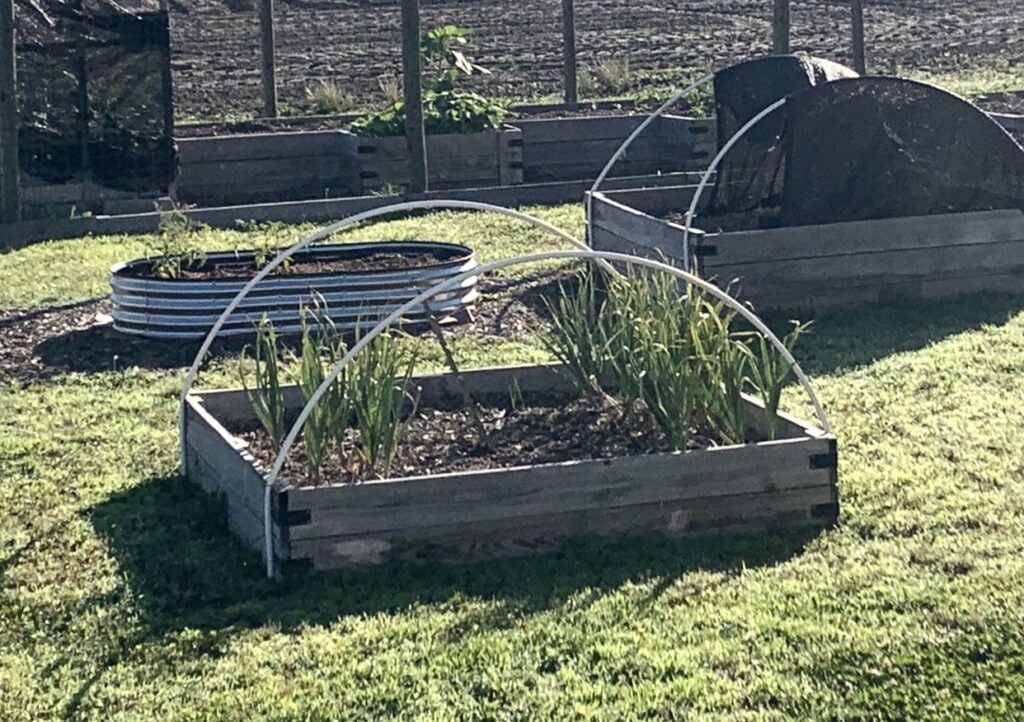
- Start with container gardening: Use pots, raised beds, or vertical planters to grow herbs, leafy greens, and compact vegetables.
- Compost kitchen scraps: Even in tight quarters, a small worm bin or countertop composter can help reduce waste and create nutrient-rich soil.
- Collect rainwater: Simple rain barrels can provide water for your plants and reduce your utility bills.
For more in-depth advice on soil health and waste reduction, the modern homesteading composting guide offers practical tips tailored for beginners and experienced gardeners alike.
Small-Space Food Production Strategies
Growing your own food is at the heart of modern homesteading for small spaces. While you may not be able to produce all your groceries, even a modest harvest can supplement your diet and boost your confidence as a home grower.
Container and Vertical Gardening
Limited ground space doesn’t have to limit your harvest. Container gardening allows you to grow a surprising variety of crops in pots, buckets, or grow bags. Vertical gardening—using trellises, wall-mounted planters, or stacked shelves—makes the most of vertical real estate, letting you cultivate vining crops like tomatoes, beans, and cucumbers.
- Choose compact or dwarf plant varieties for best results in containers.
- Use high-quality potting mix and fertilize regularly for healthy growth.
- Rotate crops and refresh soil to prevent disease and nutrient depletion.
Backyard Chickens and Small Livestock
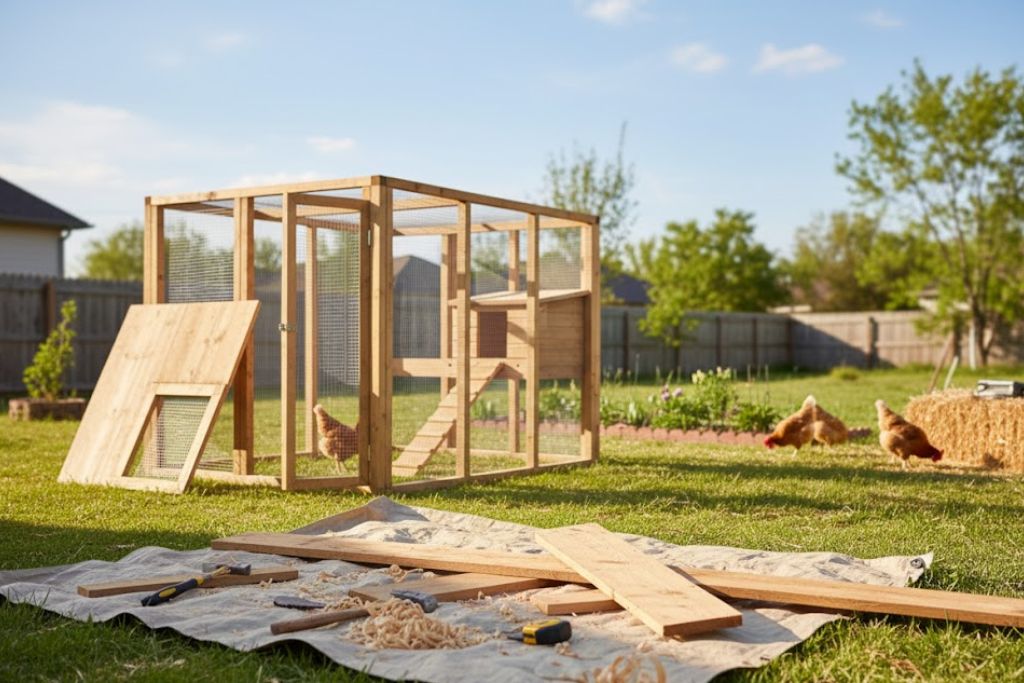
If local regulations allow, keeping a few hens or rabbits can be a rewarding addition to your homesteading journey. Chickens provide fresh eggs and natural pest control, while rabbits offer manure for composting. Always check city ordinances and be considerate of neighbors before adding animals to your setup.
Maximizing Indoor Spaces
Indoor growing is another excellent option for those without outdoor access. Herbs, microgreens, and sprouts thrive on sunny windowsills or under grow lights. These crops are fast-growing, nutrient-dense, and require minimal space, making them ideal for apartments or condos.
Reducing Waste and Building Sustainability
A core principle of modern homesteading for small spaces is minimizing waste and making the most of available resources. Composting, recycling, and upcycling household items can significantly reduce your environmental footprint.
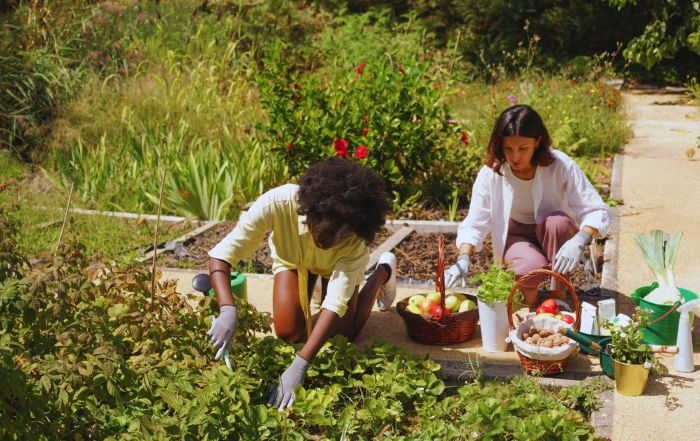
- Composting: Turn food scraps and yard waste into valuable soil amendments. Even a small worm bin can make a big difference.
- DIY cleaning products: Use simple ingredients like vinegar and baking soda to make non-toxic cleaners, reducing reliance on store-bought chemicals.
- Repurpose containers: Glass jars, plastic tubs, and old buckets can be reused for storage, planting, or organizing supplies.
For families interested in adapting these ideas, the modern homesteading guide for families provides additional strategies for involving kids and creating a collaborative home environment.
Energy Efficiency and Resource Management
While large-scale renewable energy systems may not be feasible in every small space, there are still plenty of ways to reduce your energy use and live more sustainably. Simple changes like switching to LED bulbs, using energy-efficient appliances, and unplugging electronics when not in use can have a significant impact over time.
- Install weather stripping and window coverings to improve insulation.
- Use timers or smart plugs to manage energy consumption.
- Opt for manual tools and appliances when possible to save electricity.
If you’re curious about integrating renewable energy into your lifestyle, the modern homesteading renewable energy basics resource covers foundational concepts and practical steps.
Connecting with the Homesteading Community
Building a network of like-minded individuals can make your journey more enjoyable and successful. Online forums, local gardening clubs, and community gardens offer support, advice, and opportunities to share resources. Many urban homesteaders also find inspiration and practical tips from blogs and guides dedicated to small-space living.
For a broader perspective on the history and philosophy of self-sufficiency, this comprehensive overview of homesteading provides valuable context and actionable ideas for beginners and seasoned practitioners alike.
Gardening Tips for Limited Areas
Even with minimal outdoor space, you can cultivate a productive garden by choosing the right crops and growing methods. Focus on high-yield, fast-growing plants that thrive in containers or raised beds. Herbs like basil, parsley, and chives are excellent choices, as are salad greens, radishes, and cherry tomatoes.
For step-by-step advice on planning and maintaining your garden, the modern homesteading gardening guide is a helpful resource for maximizing your harvest and troubleshooting common challenges.
Frequently Asked Questions
What are the best crops to grow in small urban spaces?
The most productive crops for tight quarters are those that mature quickly and don’t require deep soil. Herbs, lettuce, spinach, radishes, and bush varieties of tomatoes and peppers are ideal. Vertical gardening can also allow you to grow vining plants like beans and cucumbers.
Can I keep chickens or other animals in a small backyard?
Many urban areas permit a limited number of hens, but rules vary by location. Always check local ordinances before adding animals. Chickens, rabbits, and even quail can be managed in small spaces with proper care, housing, and attention to cleanliness.
How do I start composting in an apartment?
Worm bins (vermicomposting) are a great solution for indoor composting. They are compact, odor-free when managed correctly, and produce high-quality compost for your plants. Countertop composters or bokashi systems are other options for processing kitchen scraps without a yard.