Building resilience and self-reliance is at the heart of today’s homesteading movement. As more people embrace a lifestyle rooted in sustainability, the importance of being ready for unexpected events—whether natural disasters, supply chain disruptions, or power outages—has never been clearer. Modern homesteading emergency preparedness is about more than just stockpiling supplies; it’s a holistic approach that blends traditional skills with modern knowledge to safeguard your home, land, and loved ones.
This article explores practical strategies for readiness, from food and water security to energy independence and first aid. Whether you’re new to homesteading or looking to strengthen your existing systems, you’ll find actionable advice to help you prepare for the unexpected while maintaining a thriving, self-sufficient lifestyle.
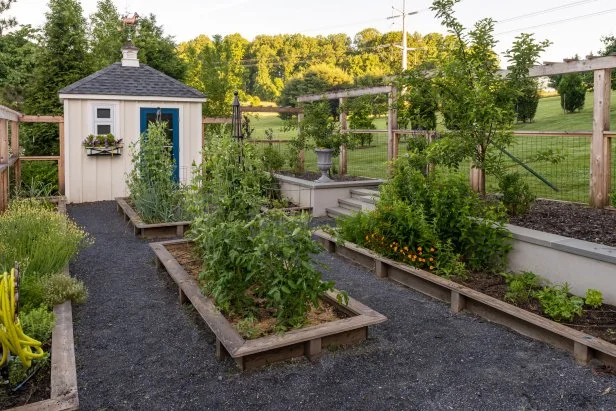
For those interested in integrating sustainable design and ecological thinking into their preparedness plans, exploring modern homesteading permaculture principles can provide a strong foundation for both resilience and productivity.
Understanding the Need for Preparedness on the Homestead
Living closer to the land offers many rewards, but it also brings unique challenges. Rural properties may face delayed emergency services, harsher weather, and greater reliance on personal resources. By focusing on emergency readiness for homesteaders, you can reduce vulnerability and increase your ability to handle disruptions with confidence.
Preparedness isn’t about fear—it’s about empowerment. By developing systems for food, water, energy, and health, you create a buffer against uncertainty and ensure your homestead remains a place of security and abundance, even in difficult times.

Food Security: Growing, Preserving, and Storing Essentials
One of the pillars of modern homesteading emergency preparedness is a robust food system. Start by maximizing your garden’s output using succession planting, crop rotation, and soil health practices. If you’re looking for year-round guidance, a modern homesteading gardening calendar can help you plan and track your harvests.
- Preservation: Learn to can, dehydrate, ferment, and freeze your produce. These skills extend the shelf life of your harvest and provide variety in your pantry.
- Storage: Invest in airtight containers, root cellars, or cool storage areas. Keep a rotating stock of staples like grains, beans, and preserved fruits and vegetables.
- Protein sources: Consider raising chickens, rabbits, or fish, or bartering with neighbors for eggs and meat. For those interested in advanced systems, an aquaponics setup can provide both fish and fresh greens.
Diversifying your food sources and preservation methods ensures that you’ll have nourishment during extended emergencies or seasonal shortages.
Water Security and Storage Solutions
Reliable access to clean water is non-negotiable. Homesteaders should prioritize both supply and purification. Rainwater harvesting is a practical way to supplement well or municipal sources. For a step-by-step approach, the modern homesteading rainwater harvesting guide covers collection, filtration, and storage.
- Storage: Use food-grade barrels or cisterns, and regularly rotate stored water to maintain freshness.
- Purification: Keep filters, purification tablets, or a solar still on hand for emergencies. Boiling is a reliable backup method.
- Conservation: Practice water-wise gardening and household habits to stretch your supply further.
By integrating water catchment and purification into your daily routines, you’ll be better prepared for droughts, contamination events, or supply interruptions.

Energy Independence and Backup Power
Power outages can disrupt heating, cooling, refrigeration, and communication. Building energy resilience is a key aspect of emergency preparedness for homesteaders. Consider these strategies:
- Solar panels: Even a small off-grid system can keep lights, radios, and essential appliances running.
- Generators: Keep a well-maintained generator and adequate fuel for short-term outages. Store fuel safely and rotate stock.
- Manual tools: Invest in hand-powered kitchen gadgets, water pumps, and tools for essential tasks.
- Heating: Wood stoves or propane heaters offer reliable warmth when the grid is down.
Regularly test your backup systems and keep instructions accessible for all household members.
First Aid, Safety, and Communication Plans
Medical emergencies can escalate quickly in rural settings. Assemble a comprehensive first aid kit tailored to your family’s needs, including medications, wound care, and emergency contact information. Take a basic first aid and CPR course if possible.
- Fire safety: Maintain extinguishers, smoke detectors, and clear evacuation routes.
- Security: Secure doors, windows, and outbuildings. Consider motion lights or alarms for remote areas.
- Communication: Keep a battery-powered radio and a list of local emergency frequencies. In areas with poor cell service, two-way radios or satellite messengers can be invaluable.
Practicing drills and reviewing emergency plans with your household ensures everyone knows what to do when time matters most.
Building Community and Sharing Resources
No homestead is an island. Building relationships with neighbors, local farmers, and community groups strengthens your safety net. Bartering, sharing skills, and pooling resources can make a significant difference during extended emergencies.
For a deeper understanding of what defines a modern homestead and how community fits into the picture, this overview of modern homesteading offers valuable insights.
Integrating Technology and Modern Tools
While traditional skills are essential, today’s homesteaders can also benefit from modern tools. Weather apps, emergency alert systems, and online forums provide timely information and support. Hydroponic systems, for example, can supplement food production in limited space or harsh climates—see the modern homesteading hydroponics basics guide for more details.
Combining old and new approaches creates a flexible, adaptive preparedness plan.
FAQ: Emergency Readiness for Homesteaders
What are the most important supplies to keep on hand for emergencies?
Focus on essentials: potable water, non-perishable food, first aid supplies, backup power sources, and basic tools. Don’t forget medications, pet needs, and copies of important documents.
How can I make my homestead more resilient to power outages?
Invest in solar panels, generators, and manual tools. Regularly maintain your systems and have a plan for heating, cooking, and communication without electricity.
What’s the best way to store water for long-term emergencies?
Use food-grade containers, keep them in a cool, dark place, and rotate your supply every six months. Include purification methods like filters and tablets as a backup.
How can I involve my family in preparedness planning?
Hold regular discussions and drills, assign age-appropriate responsibilities, and ensure everyone knows where supplies are stored and how to use them.
By taking a proactive approach to modern homesteading emergency preparedness, you can create a safe, sustainable, and adaptable homestead ready to weather any storm.