Embracing a modern homesteading daily routine means blending self-sufficiency with today’s conveniences. Whether you live on several acres or manage a small backyard, establishing a practical rhythm is key to balancing food production, animal care, sustainability, and personal well-being. This approach isn’t about going off-grid entirely—it’s about making intentional choices that foster resilience, reduce reliance on outside systems, and create a more rewarding lifestyle.
If you’re curious about how others have adapted these principles, exploring modern homesteading examples can offer inspiration and practical ideas for your own routine.
Core Elements of a Productive Homesteading Schedule
No two homesteads are exactly alike, but most routines share a few foundational elements. The goal is to create a flow that addresses daily needs while leaving space for seasonal projects and unexpected challenges. Here’s a look at the main components that shape a successful day for those practicing contemporary self-reliance.
- Animal Care: Feeding, watering, and checking livestock or poultry is often the first and last task of the day.
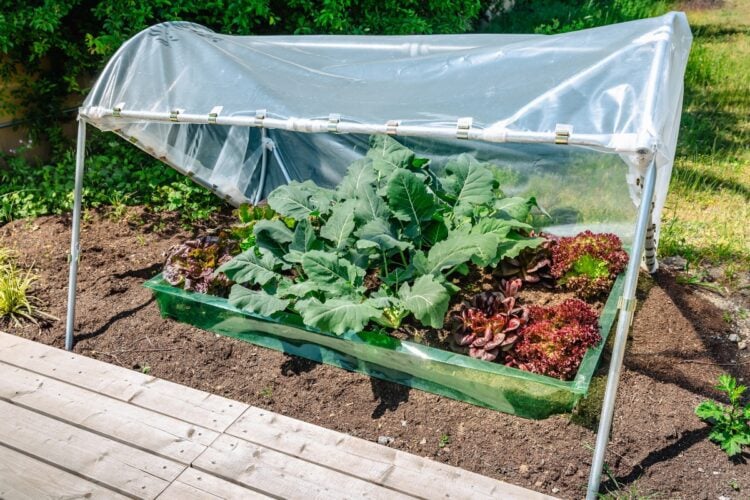
- Garden Management: Tending to crops, weeding, watering, and harvesting are ongoing tasks, especially during the growing season.
- Food Preparation: Cooking from scratch, preserving harvests, and meal planning are integral to reducing store reliance.
- Maintenance: Regular upkeep of tools, fences, and infrastructure keeps everything running smoothly.
- Learning and Planning: Researching new techniques or planning future projects helps improve efficiency and sustainability.
Morning Tasks for Modern Homesteaders
The early hours set the tone for a productive day. Many homesteaders begin with animal chores, as livestock and poultry require consistent care. This might include:
- Feeding and watering chickens, goats, or other animals
- Collecting eggs and checking for signs of illness or distress
- Inspecting fences and enclosures for overnight damage
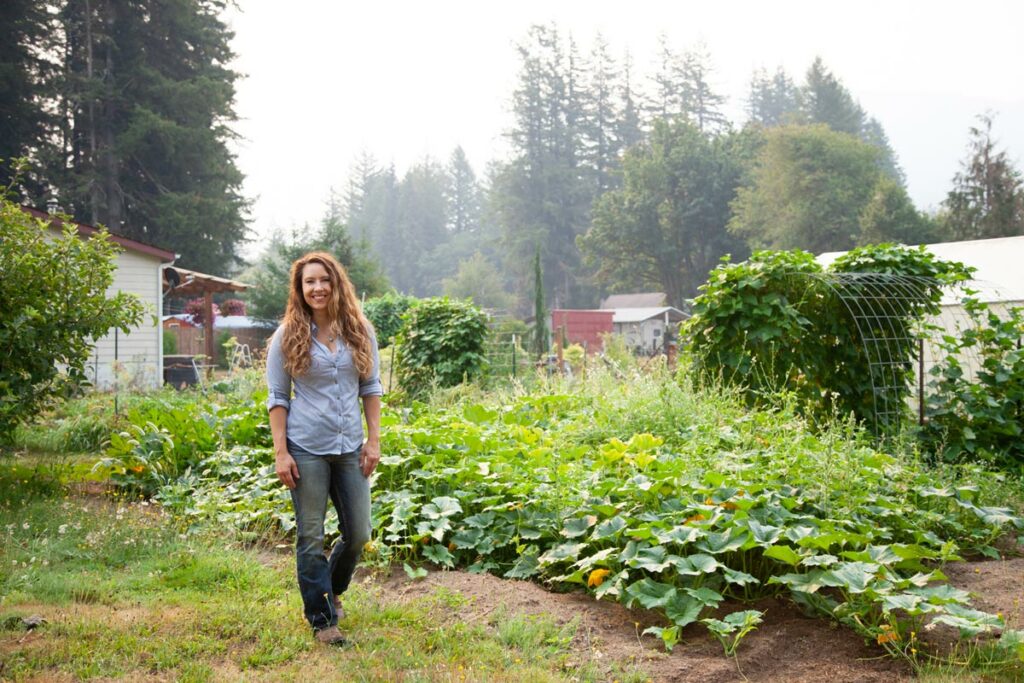
After animal care, attention often shifts to the garden. Early morning is ideal for watering, especially in hot climates, and for harvesting produce before the sun is too strong. This is also a good time to check for pests or disease and to pull weeds before they take hold.
For those interested in the broader philosophy and lifestyle, the modern homesteading lifestyle guide offers a comprehensive overview of how to structure your days for maximum efficiency and satisfaction.
Midday Activities: Balancing Work and Rest
As the day progresses, tasks shift indoors or to shaded areas. Midday is often reserved for food preparation, preserving harvests, and handling household chores. Typical midday activities include:
- Preparing lunch using homegrown or homemade ingredients
- Processing and canning fruits and vegetables
- Baking bread or fermenting foods
- Maintaining equipment and cleaning animal shelters
Many homesteaders use this time to catch up on research, bookkeeping, or planning. Reading about the differences between modern and traditional homesteading can help clarify which practices best suit your goals and resources.
Afternoon and Evening: Wrapping Up and Reflecting
As temperatures cool, outdoor tasks resume. This is a good time for:
- Final watering and garden maintenance
- Repairing structures or tools
- Bringing in livestock for the night and securing coops or pens
- Reviewing the day’s accomplishments and updating to-do lists
Evenings often include family time, sharing meals, or working on crafts and hobbies. Reflection and planning for the next day are important for maintaining momentum and avoiding burnout.
Adapting Your Routine for Urban and Suburban Homesteads
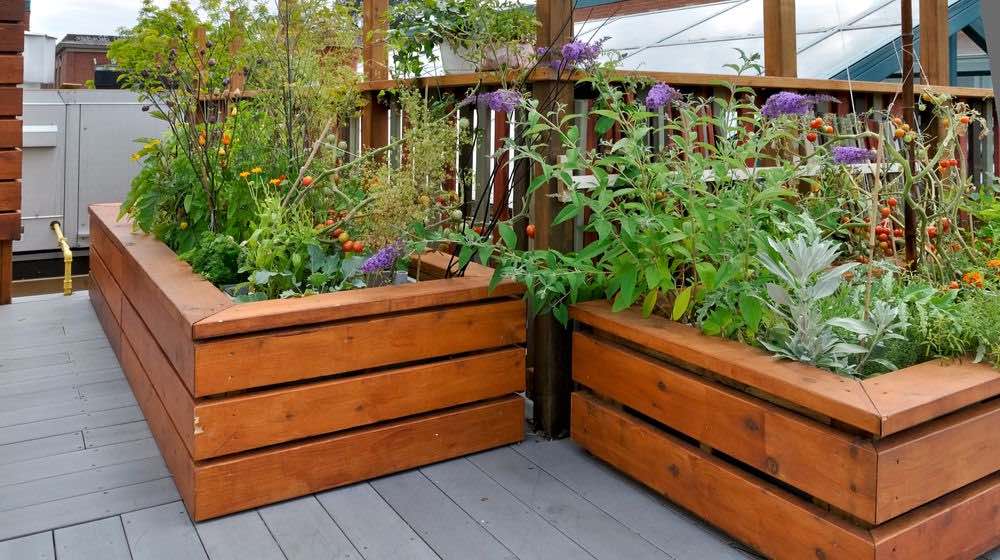
Not everyone has access to large plots of land. Many people adapt the principles of a modern homesteading daily routine to fit apartments, small yards, or community gardens. Urban homesteaders may focus on container gardening, composting, and DIY projects. The key is to prioritize what’s most meaningful and manageable for your situation.
For more creative approaches, check out these modern homesteading ideas that work in a variety of settings.
Seasonal Adjustments and Flexibility
Routines shift with the seasons. Spring and summer are busy with planting, growing, and harvesting, while fall brings preservation and preparation for winter. Winter routines focus on maintenance, planning, and indoor projects. Flexibility is crucial—weather, animal needs, and unexpected events all require adaptability.
Staying Motivated and Avoiding Burnout
Maintaining a daily rhythm can be rewarding but also demanding. Here are some tips to stay motivated:
- Set realistic goals and celebrate small wins
- Share tasks among family members or housemates
- Take breaks and allow for downtime
- Connect with other homesteaders for support and advice
Understanding the benefits of modern homesteading can help reinforce your commitment and remind you why you started this journey.
Comparing Contemporary and Traditional Homestead Schedules
While the core values remain similar, today’s routines often incorporate technology, community resources, and modern conveniences. For a deeper look at the distinctions, see this detailed comparison of modern homesteading vs traditional homesteading. Understanding these differences can help you design a schedule that fits your values and circumstances.
Frequently Asked Questions
How do I start building a daily routine for modern homesteading?
Begin by listing your essential daily tasks such as animal care, gardening, and food preparation. Prioritize these based on your lifestyle and available time. Start small, add new responsibilities gradually, and adjust as you learn what works best for you.
Can I practice a homesteading routine in a city or apartment?
Absolutely. Many urban dwellers grow herbs or vegetables in containers, compost kitchen scraps, and make homemade foods. The principles of self-sufficiency and intentional living can be adapted to any environment.
How do I balance homesteading with a full-time job?
Focus on manageable projects and efficient routines. Prepare meals in batches, automate watering, and choose low-maintenance crops or animals. Involve family members and use weekends for larger tasks.