Creating a thriving orchard at home is a rewarding step for anyone interested in modern homesteading. Whether you have a small suburban yard or a larger rural property, cultivating fruit trees brings fresh produce, self-sufficiency, and a deeper connection to the land. This guide covers the essentials for planning, planting, and maintaining a productive backyard orchard, with practical tips tailored to today’s homesteader.
For those looking to expand their self-reliance skills even further, exploring resources like the modern homesteading canning guide can help you preserve your orchard’s bounty for year-round enjoyment.
Why Start a Home Orchard?
Growing your own fruit trees offers more than just fresh harvests. A backyard orchard supports food security, reduces grocery bills, and encourages sustainable living. For many, it’s also a way to reconnect with nature and pass on valuable skills to family members. Unlike annual gardens, fruit trees are a long-term investment, providing yields for years with proper care.
Modern homesteaders appreciate the flexibility of designing an orchard that fits their unique space and climate. From dwarf apple trees in containers to sprawling plum and cherry groves, there are options for almost every yard size and growing zone.
Planning Your Orchard for Modern Homesteading
Careful planning is the foundation of a successful orchard. Start by assessing your available space, sunlight, and soil conditions. Most fruit trees require at least six hours of direct sun daily and well-drained soil. Test your soil’s pH and fertility before planting—most fruit trees thrive in slightly acidic to neutral conditions (pH 6.0–7.0).
- Choose the right varieties: Select fruit trees suited to your climate and disease pressures. Local nurseries or cooperative extension offices can recommend varieties that perform well in your region.
- Consider pollination needs: Some trees, like apples and pears, require cross-pollination from another compatible variety. Others, such as peaches and sour cherries, are self-fertile.
- Plan for spacing: Dwarf and semi-dwarf trees are ideal for smaller yards, while standard trees need more room to grow. Proper spacing ensures good air circulation and easier maintenance.
Essential Steps for Planting and Establishment
Once you’ve selected your trees and mapped out your orchard, it’s time to plant. The best time for planting is typically early spring or late fall, when trees are dormant. Follow these steps for healthy establishment:
- Dig a proper hole: Make the planting hole twice as wide as the root ball but no deeper. Loosen the soil around the edges to encourage root growth.
- Position the tree: Place the tree so the graft union (the swollen area above the roots) sits a few inches above the soil line. Backfill with native soil, gently firming as you go.
- Water thoroughly: After planting, water deeply to settle the soil and eliminate air pockets.
- Mulch and protect: Apply a 2–4 inch layer of organic mulch around the base, keeping it a few inches from the trunk. This conserves moisture and suppresses weeds.
- Stake if needed: Young trees may need staking in windy areas, but remove supports after the first year to encourage strong trunks.
Backyard Orchard Maintenance Tips
Consistent care is key to a productive orchard. Here are some maintenance practices for modern homesteaders:
- Watering: Deep, infrequent watering encourages deep roots. Adjust frequency based on rainfall and soil type.
- Pruning: Prune annually to shape the tree, remove dead or diseased wood, and improve sunlight penetration. Late winter or early spring is ideal for most species.
- Fertilizing: Use compost or balanced organic fertilizers in early spring. Avoid over-fertilizing, which can lead to excessive leafy growth at the expense of fruit.
- Pest and disease management: Monitor regularly for signs of trouble. Integrated pest management (IPM) practices, such as encouraging beneficial insects and using physical barriers, help reduce chemical use.
- Harvesting: Pick fruit at peak ripeness for best flavor. Store or preserve your harvest to enjoy throughout the year.
For additional ideas on storing your harvest, consider reading the modern homesteading food storage guide for practical storage solutions.
Integrating Orchards with Other Homesteading Practices
A home orchard can be the centerpiece of a diversified homestead. Fruit trees provide shade, habitat for pollinators, and even windbreaks for gardens or livestock areas. Companion planting—growing herbs, flowers, or vegetables beneath trees—can improve soil health and attract beneficial insects.
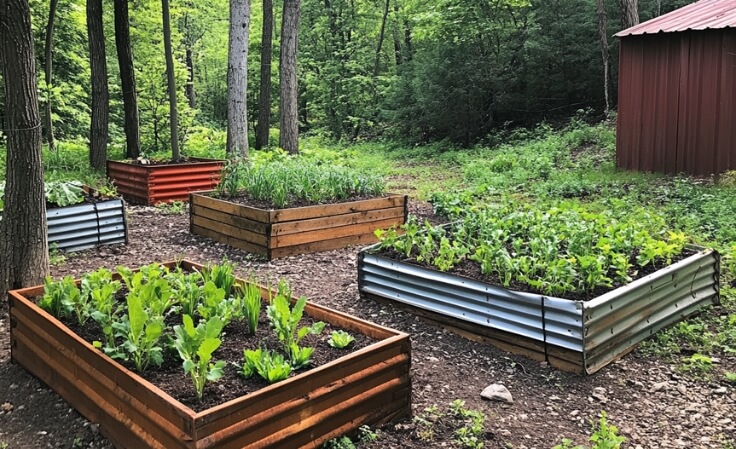
Many homesteaders combine orchards with raised beds, berry patches, or small livestock for a more resilient and productive landscape. For inspiration on organizing your homestead, explore tips from the modern homesteading home organization tips resource.
If you’re interested in further reading about the broader philosophy and practicalities of self-sufficient living, the Willowbottom overview of modern homesteading offers a helpful introduction.
Common Challenges and Solutions in Home Orchards
Even with careful planning, backyard orchards can face challenges. Here are some common issues and practical solutions:
- Poor fruit set: Ensure proper pollination by planting compatible varieties and encouraging pollinators with flowering plants nearby.
- Pest infestations: Use physical barriers like netting, encourage birds and beneficial insects, and remove fallen fruit promptly to reduce pest populations.
- Disease outbreaks: Select disease-resistant varieties, prune for good airflow, and avoid overhead watering to minimize fungal problems.
- Weather extremes: Mulch to insulate roots, use tree wraps for winter protection, and consider windbreaks or shade cloth in harsh climates.
Remember, patience is essential—fruit trees often take several years to reach full production. Regular observation and timely intervention help keep your orchard healthy and productive.
DIY Projects and Further Learning for Modern Homesteaders
Building and maintaining a home orchard often goes hand-in-hand with other do-it-yourself projects. Constructing raised beds, compost bins, or simple irrigation systems can enhance your orchard’s productivity and sustainability. For step-by-step inspiration, the modern homesteading DIY projects guide provides practical ideas to try on your property.
As your orchard matures, you may also want to explore traditional storage methods, such as root cellars. The modern homesteading root cellar ideas article offers creative approaches for keeping your harvest fresh.
Frequently Asked Questions
How much space do I need for a backyard orchard?
The space required depends on the types and sizes of trees you choose. Dwarf varieties can be planted as close as 8–10 feet apart, while standard trees may need 18–25 feet. Even small yards can accommodate a few compact trees or espaliered fruit along fences.
What are the best fruit trees for beginners?
Apples, pears, peaches, and plums are popular choices for new orchardists. Look for disease-resistant varieties suited to your climate. Many beginners also have success with figs and cherries, depending on local conditions.
How long does it take for fruit trees to produce?
Most fruit trees begin bearing within 2–5 years after planting, depending on the species and rootstock. Dwarf trees often produce sooner than standard types. Proper care in the early years helps ensure a strong, productive tree.
Can I grow fruit trees organically?
Yes, many home orchardists use organic methods, including compost, mulch, and natural pest controls. Selecting disease-resistant varieties and practicing good sanitation are key to reducing the need for chemical treatments.
Establishing a backyard orchard is a meaningful way to increase self-reliance and enjoy homegrown fruit for years to come. With thoughtful planning and ongoing care, your orchard can become a cornerstone of your homesteading journey.