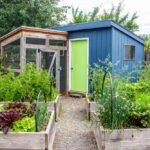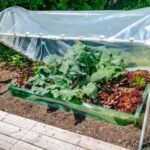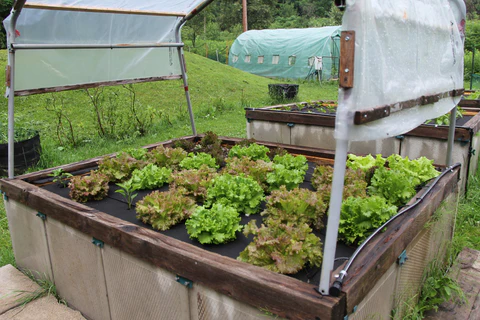
Making the most of limited outdoor or indoor areas can be challenging for gardeners. Raised beds offer a practical solution for growing vegetables, herbs, and flowers even when space is tight. By elevating the soil, these structures help maximize productivity, improve drainage, and simplify maintenance. Whether you have a balcony, patio, or a small backyard, learning how to use raised beds in small spaces can transform your gardening experience.
This guide covers essential tips for choosing, setting up, and maintaining raised beds when every square foot counts. You’ll find advice on selecting materials, arranging your layout, and picking the right crops for compact environments. Plus, discover how to avoid common pitfalls and make your small-space garden thrive.
For those interested in sustainable living, raised beds are a staple in modern homesteading practices. If you’re new to gardening or want to expand your skills, consider exploring related topics like how to compost in apartments for more eco-friendly ideas.
Benefits of Raised Beds for Compact Gardens
Utilizing raised beds in limited areas brings a range of advantages. First, they allow you to control soil quality, which is especially important if your ground soil is poor or contaminated. Raised beds also warm up faster in spring, extending your growing season. Their defined borders help keep weeds at bay and make it easier to organize your crops.
- Efficient use of space: Raised beds can be tailored to fit narrow strips, corners, or even rooftops.
- Improved drainage: Elevation prevents waterlogging, which is crucial for healthy root development.
- Accessibility: Higher beds reduce bending and make gardening more comfortable for people with mobility challenges.
- Better pest control: Physical barriers can be added to deter animals and insects.
By focusing on these benefits, you can design a garden that is both productive and easy to manage, no matter the size of your space.
Choosing the Right Raised Bed Materials and Sizes
Selecting the appropriate materials and dimensions is key when working with small areas. Raised beds can be built from wood, metal, stone, or even recycled materials. For tight spots, consider modular or stackable options that can be reconfigured as your needs change.
When deciding on size, remember that beds should be narrow enough to reach the center from either side—typically 2 to 4 feet wide. The length depends on your available space, but even a 3-foot by 3-foot bed can yield impressive results. Depth is also important; 8 to 12 inches is usually sufficient for most vegetables and herbs, but deeper beds allow for root crops or larger plants.
Smart Placement and Layout Strategies
To get the most out of your compact garden, carefully plan the arrangement of your raised beds. Place them in areas that receive at least six hours of sunlight daily. If sunlight is limited, opt for shade-tolerant crops or supplement with artificial lighting.
Leave enough space between beds for easy access—18 to 24 inches is ideal for walking or maneuvering a wheelbarrow. In ultra-tight locations, such as balconies, vertical gardening techniques can be combined with raised beds to further increase your growing area.
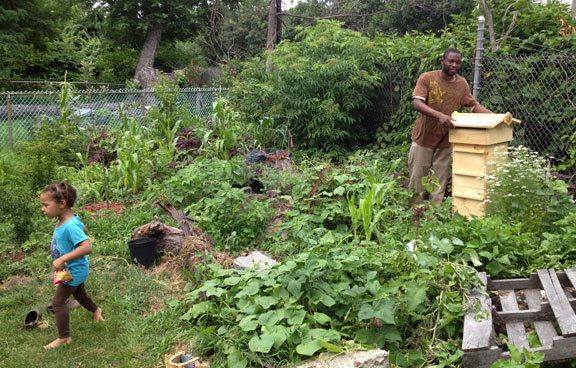
Soil Preparation and Plant Selection for Limited Areas
The quality of your soil mix is crucial for success in raised beds, especially in confined settings. Use a blend of high-quality compost, peat moss or coconut coir, and vermiculite or perlite for optimal drainage and fertility. This combination ensures your plants receive the nutrients they need while preventing compaction.
When space is at a premium, choose crops that offer high yields in small footprints. Leafy greens, radishes, carrots, bush beans, and compact tomato varieties are excellent choices. Herbs like basil, parsley, and chives also thrive in shallow beds. For more inspiration, see tips on how to start a small herb garden anywhere.
Maximizing Productivity with Intensive Planting
Intensive planting methods, such as square foot gardening, help you grow more in less space. By dividing your bed into a grid and planting crops closely together, you minimize wasted soil and reduce weed growth. Rotate crops each season to maintain soil health and prevent pest buildup.
Succession planting—sowing new seeds as soon as a crop is harvested—keeps your beds productive throughout the growing season. Consider mixing fast-growing crops with slower ones to make the most of every inch.
Watering, Maintenance, and Troubleshooting
Raised beds in compact areas often dry out faster than in-ground gardens, so consistent watering is essential. Drip irrigation or soaker hoses can help deliver moisture directly to the roots without wasting water. Mulching with straw or shredded leaves helps retain moisture and suppress weeds.
Regularly check for pests and diseases, as small gardens can be more vulnerable to sudden infestations. Physical barriers, like mesh covers, and organic treatments can help protect your plants. For common issues, refer to advice on small-space gardening mistakes to avoid.
Creative Ideas for Urban and Indoor Raised Beds
If you’re gardening on a balcony or indoors, lightweight containers or fabric grow bags can serve as portable raised beds. These options are easy to move and store, making them ideal for renters or those with changing needs. For indoor setups, supplement natural light with LED grow lights to ensure healthy growth.
Vertical gardening, trellises, and stacking planters can further expand your growing space. Combining these techniques with raised beds allows you to cultivate a surprising variety of crops, even in the smallest apartments. For more on cultivating inside, see small-space indoor gardening tips.
Frequently Asked Questions
What are the best crops for raised beds in tight spaces?
Leafy greens, radishes, carrots, bush beans, compact tomatoes, and most herbs are excellent choices for small raised beds. These plants have shallow roots and can be spaced closely together for higher yields.
How often should I water my raised beds in a compact garden?
Raised beds typically require more frequent watering than in-ground gardens, especially in hot or windy conditions. Check soil moisture daily and water as needed, aiming to keep the soil consistently damp but not soggy.
Can I use raised beds indoors or on balconies?
Yes, raised beds can be adapted for indoor or balcony use with lightweight materials like fabric grow bags or plastic containers. Ensure adequate drainage and provide supplemental lighting if natural sunlight is limited.
How can I keep my small raised bed garden productive year-round?
Use succession planting, rotate crops, and grow fast-maturing varieties. Indoors, supplement with grow lights to extend the season. For year-round greens, consider learning how to grow microgreens indoors.