Embracing the homesteading lifestyle doesn’t require acres of land or a rural address. More people are discovering that small-space homesteading is not only possible but also rewarding, even in urban or suburban environments. With thoughtful planning and a willingness to learn, you can grow food, reduce waste, and live more sustainably—no matter the size of your backyard, balcony, or patio.
This guide will walk you through the essential steps to begin your journey toward a more self-sufficient and eco-conscious life, even if you’re starting with limited space. Along the way, you’ll find practical tips, recommended resources, and links to help you deepen your knowledge, such as advice on how to live a greener life every day.
Understanding the Basics of Small-Scale Homesteading
At its core, small-space homesteading is about making the most of what you have. Whether you have a tiny yard, a balcony, or just a few sunny windowsills, you can take steps toward greater self-reliance. The key is to start with realistic goals and build skills over time.
- Grow your own food, even if it’s just herbs or salad greens.
- Reduce household waste by composting and reusing materials.
- Adopt eco-friendly routines to minimize your environmental impact.
- Learn basic DIY skills for repairs and home projects.
Many successful urban homesteaders recommend starting with one or two projects and expanding as you gain confidence. For inspiration, you might explore podcasts like this introduction to modern homesteading, which covers practical steps and mindset shifts for beginners.
Planning Your Space for Maximum Productivity
Before you plant your first seed or buy supplies, take time to assess your available space. Sketch a simple map of your yard, balcony, or windowsills. Note areas that receive the most sunlight, have good drainage, or are sheltered from wind. These observations will help you decide what to grow and where.
Consider these strategies for optimizing small areas:
- Vertical gardening: Use trellises, shelves, and wall-mounted planters to grow upwards.
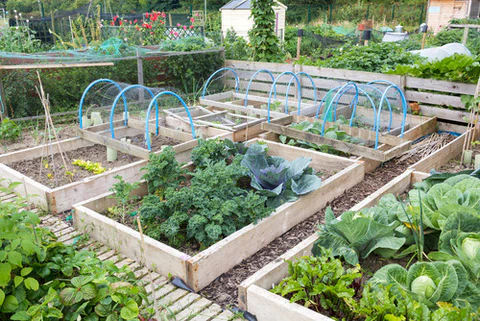
- Container gardening: Choose pots, raised beds, or grow bags to maximize flexibility and soil quality.
- Succession planting: Rotate crops to keep your space productive throughout the year.
- Companion planting: Pair plants that benefit each other to save space and deter pests.
Choosing What to Grow in Limited Spaces
Selecting the right crops is crucial when working with a compact homestead. Focus on plants that offer a high yield for the space they occupy and suit your local climate. Some of the best options for beginners include:
- Leafy greens (lettuce, spinach, kale)
- Herbs (basil, parsley, chives, mint)
- Radishes and carrots (short-rooted varieties)
- Tomatoes and peppers (dwarf or patio types)
- Strawberries (in hanging baskets or vertical planters)
If you have a sunny windowsill, microgreens and sprouts can be grown year-round indoors. For those with a bit more outdoor space, try compact fruit bushes or dwarf fruit trees in containers.
Essential Tools and Supplies for Urban Homesteaders
You don’t need a shed full of equipment to get started. A few well-chosen tools and supplies will make your efforts more productive and enjoyable:
- Quality containers or raised beds
- Hand trowel and pruners
- Watering can or hose with a gentle spray
- Compost bin or worm farm for kitchen scraps
- Grow lights for indoor gardening
Investing in reusable or upcycled materials, such as fabric grow bags or repurposed containers, can help you save money and reduce waste. For more ideas on sustainable living, see our article on living a sustainable homesteading lifestyle.
Building Sustainable Habits and Routines
Homesteading is as much about mindset as it is about growing food. Adopting daily habits that support sustainability will help you make the most of your efforts, even in a small space. Consider these practices:
- Compost food scraps and yard waste to enrich your soil.
- Harvest rainwater for watering plants.
- Practice crop rotation and natural pest control methods.
- Reduce single-use plastics and opt for reusable alternatives.
- Share surplus produce with neighbors or local food banks.
Overcoming Challenges in Compact Homesteading
Limited space can present unique obstacles, but creative solutions abound. If you struggle with poor soil, use raised beds or containers filled with quality potting mix. For low-light areas, supplement with LED grow lights. To keep pests at bay, try natural deterrents and encourage beneficial insects.
Urban homesteaders may also face restrictions from landlords or homeowners’ associations. Always check local regulations before installing permanent structures or keeping animals. If keeping chickens or bees isn’t allowed, focus on gardening, composting, and other projects that fit your circumstances.
For more tips on eco-friendly living and pest management, see our advice on eco friendly pest prevention in homes.
Expanding Your Skills and Community
As you gain experience, look for ways to broaden your knowledge and connect with others. Join local gardening clubs, participate in seed swaps, or attend workshops. Online communities and podcasts can also provide support and fresh ideas.
Remember, every small step counts. Whether you’re growing a single tomato plant or transforming a patio into a productive oasis, you’re contributing to a healthier, more resilient lifestyle.
Frequently Asked Questions
What are the easiest crops to grow in a small homestead?
Leafy greens, herbs, radishes, and bush tomatoes are ideal for beginners with limited space. These plants grow quickly, require minimal care, and can thrive in containers or raised beds.
How can I compost in an apartment or small yard?
Compact compost bins, worm farms, or bokashi systems are excellent options for small spaces. These methods efficiently break down kitchen scraps without taking up much room or causing odors.
Can I homestead if I only have a balcony or windowsill?
Absolutely. Many herbs, microgreens, and even some vegetables can be grown in pots or vertical planters on a balcony or sunny windowsill. Focus on crops that don’t require deep soil and use grow lights if natural sunlight is limited.
Where can I learn more about modern homesteading?
For a deeper dive into the philosophy and practical steps of self-sufficiency, check out this modern homesteading podcast episode.
How can I make my homestead more eco-friendly?
Adopt habits like composting, rainwater harvesting, and using natural pest control. For more ideas, see our guide to practical eco friendly routines for daily life.