Raising rabbits in limited areas is becoming increasingly popular among urban dwellers and those with modest backyards. With thoughtful planning and a focus on animal welfare, you can successfully keep healthy, happy rabbits even when space is at a premium. This guide covers practical steps, essential considerations, and responsible practices for anyone interested in starting a small-scale rabbitry at home.
Whether you’re looking to produce your own meat, enjoy the companionship of these gentle animals, or add to your sustainable homesteading efforts, learning how to raise rabbits in small spaces can be both rewarding and manageable. Before diving into the details, consider exploring other small-scale homesteading topics, such as how to manage backyard bees, to complement your efforts and maximize your available space.
Benefits of Keeping Rabbits in Compact Areas
Rabbits are well-suited for small-scale setups due to their size, quiet nature, and relatively low maintenance needs. Here are some advantages of keeping rabbits in confined environments:
- Efficient use of space: Rabbits require less room than many other livestock, making them ideal for balconies, patios, or small backyards.
- Minimal noise and odor: With proper care and cleaning, rabbits are discreet neighbors and won’t disturb those living nearby.
- Fast reproduction and growth: Rabbits can provide a steady supply of meat or manure for gardens, even in limited quarters.
- Educational and therapeutic: Caring for rabbits can teach responsibility and provide emotional benefits for families.
Choosing the Right Breed for Limited Space
When selecting rabbits for a small environment, breed choice is crucial. Opt for smaller or dwarf breeds, as they adapt better to confined quarters and require less room to thrive. Some popular options include:
- Netherland Dwarf: Compact, friendly, and ideal for beginners.
- Mini Rex: Known for their plush fur and manageable size.
- Holland Lop: Small, docile, and popular as pets.
- Mini Satin: Sleek coats and gentle temperament.
Larger breeds, while appealing, may not be suitable for tight spaces due to their exercise and housing needs. Always research breed characteristics and consult with reputable breeders before making a decision.
Designing a Rabbit Habitat for Small Spaces
Creating a comfortable, hygienic, and stimulating environment is essential for the wellbeing of your rabbits. Here’s how to design a suitable habitat when space is limited:
Enclosure Options
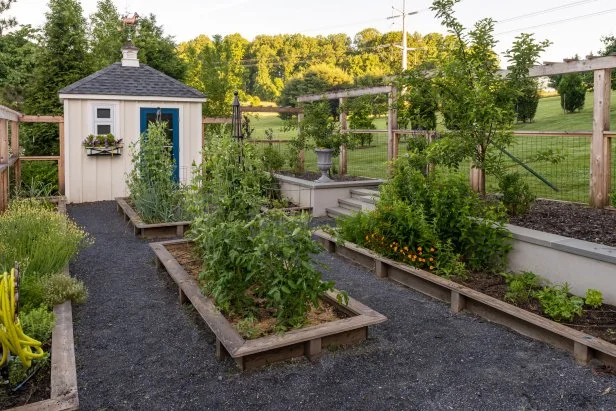
Consider stackable cages, vertical hutches, or modular pens that maximize vertical space. Outdoor areas can benefit from raised beds or multi-level enclosures, while indoor setups might use large dog crates or custom-built pens.
Space Requirements
Each rabbit should have at least 8–12 square feet of space, including both a sheltered area and a run for exercise. If you’re working with even less room, prioritize daily supervised exercise outside the enclosure. Multi-level hutches can help increase usable area without expanding your footprint.
Enrichment and Comfort
Provide hiding spots, chew toys, tunnels, and platforms to keep your rabbits mentally and physically stimulated. Use soft bedding such as aspen shavings or paper-based products, and ensure the enclosure is well-ventilated but protected from drafts and direct sunlight.
Feeding and Watering in Tight Quarters
Proper nutrition is vital for healthy rabbits. In small setups, it’s important to keep feeding areas clean and organized to prevent waste and contamination.
- Hay: Unlimited fresh hay is essential for digestion and dental health. Use hay racks or wall-mounted feeders to save space.
- Pellets: Offer a measured amount of high-quality rabbit pellets daily, based on your rabbits’ age and size.
- Fresh greens: Supplement with safe vegetables and herbs, such as romaine lettuce, parsley, or dandelion greens. Avoid overcrowding the enclosure with uneaten produce.
- Water: Provide clean water at all times using a heavy bowl or a bottle mounted to the enclosure wall.
Maintaining Cleanliness and Health
Sanitation is especially important in confined spaces to prevent disease and odor. Here are some tips for keeping your rabbitry healthy:
- Spot clean daily: Remove soiled bedding and uneaten food each day.
- Deep clean weekly: Disinfect cages, replace bedding, and wash food and water containers at least once a week.
- Monitor health: Check your rabbits for signs of illness, such as lethargy, loss of appetite, or abnormal droppings. Promptly consult a veterinarian if you notice any issues.
- Control pests: Keep the area free of flies, rodents, and other pests that can harm your rabbits or spread disease.

Responsible Breeding and Population Control
In small environments, it’s easy for rabbit populations to grow quickly out of control. If you plan to breed, have a clear plan for housing and caring for offspring. Otherwise, spay or neuter your rabbits to prevent unwanted litters and reduce behavioral issues.
Responsible breeding also means avoiding overcrowding, which can lead to stress, aggression, and health problems. Always prioritize the welfare of your animals over production goals.
Integrating Rabbits Into a Small Homestead
Rabbits can be a valuable part of a small homestead ecosystem. Their manure is an excellent fertilizer for gardens, and their quiet presence makes them suitable companions for other small livestock or garden projects. To further maximize your limited space, consider combining rabbit care with other compact food production methods, such as small-space hydroponics or herb gardening in containers.
For more inspiration on making the most of your property, check out this comprehensive guide to homesteading on a small property for practical tips and creative solutions.
Common Challenges and Solutions for Urban Rabbit Keepers
Keeping rabbits in tight quarters comes with unique obstacles. Here are some common issues and how to address them:
- Limited ventilation: Ensure enclosures have adequate airflow to prevent respiratory problems. Use wire mesh for sides and avoid placing cages in closed, stuffy rooms.
- Noise or disturbance: Place hutches away from high-traffic areas and loud noises to reduce stress.
- Waste management: Use absorbent bedding and compost rabbit manure to keep odors in check and benefit your garden.
- Space for exercise: Create a safe, enclosed play area or use a portable pen for daily exercise outside the main enclosure.
Frequently Asked Questions
What is the minimum space needed to keep a rabbit healthy?
Each rabbit should have at least 8–12 square feet of combined living and exercise space. If you’re limited on room, supplement with daily supervised exercise outside the enclosure to ensure your rabbit stays active and healthy.
Can rabbits live indoors in apartments?
Yes, many people successfully keep rabbits indoors in apartments. Use a large dog crate, playpen, or custom enclosure, and rabbit-proof the area to prevent chewing on wires or furniture. Regular cleaning and ventilation are essential for indoor setups.
How can I keep my rabbits entertained in a small area?
Offer a variety of toys, tunnels, chew sticks, and platforms. Rotate enrichment items regularly and provide cardboard boxes or paper bags for hiding and exploring. Interaction and gentle handling also help keep rabbits mentally stimulated.
Is it possible to combine rabbit care with other small-space food production?
Absolutely. Many urban homesteaders integrate rabbits with container gardening, hydroponics, or even small-scale aquaponics. For more ideas, explore resources like small-space aquaponics explained for beginners or how to grow fruit in small spaces efficiently.
Conclusion
Learning how to raise rabbits in small spaces responsibly is achievable with the right planning and commitment to animal welfare. By choosing suitable breeds, designing efficient habitats, maintaining cleanliness, and integrating your efforts with other sustainable practices, you can enjoy the benefits of rabbit keeping even in the most compact environments. With a little creativity and dedication, small-space rabbitry can be a rewarding addition to your urban or suburban homestead.