
Urban and suburban living doesn’t have to mean giving up on the idea of keeping your own flock. With careful planning and a focus on both legal requirements and animal welfare, it’s possible to enjoy the benefits of backyard poultry—even if your space is limited. This guide covers practical steps for how to raise chickens in small spaces, ensuring you do so responsibly, ethically, and within the law.
Whether you’re a beginner or looking to optimize your current setup, you’ll find actionable advice on choosing breeds, designing coops, maintaining health, and integrating chickens into your homesteading journey. For more on adapting homesteading practices to compact environments, check out these small-space homesteading tips.
Understanding Legal Requirements for Urban Chicken Keeping
Before setting up a coop, research your local ordinances and homeowners’ association rules. Many municipalities have specific regulations on flock size, coop placement, and noise. Some cities require permits, while others may prohibit roosters or limit the number of hens. Start by visiting your city’s website or contacting animal control. Being proactive helps avoid fines and ensures a positive relationship with neighbors.
In addition to municipal rules, consider state-level animal welfare laws. These often set minimum standards for space, shelter, and care. Following these guidelines not only keeps you compliant but also supports the humane treatment of your birds.
Choosing the Right Chicken Breeds for Compact Living
Not all chickens thrive in confined environments. When considering how to raise chickens in small spaces, select breeds known for their calm temperament and adaptability. Bantam varieties, such as Silkies and Sebrights, are smaller and require less space. Other good choices include Australorps, Orpingtons, and Plymouth Rocks, which are friendly and productive layers.
Focus on breeds that are quiet and less prone to flightiness. This reduces stress for both the birds and your neighbors. Remember, even small breeds need adequate room to move, scratch, and dust bathe.
Designing Efficient Coops and Runs for Limited Areas
Maximizing every square foot is essential in a compact backyard or patio. A well-designed coop should provide at least 2–3 square feet per chicken inside and 8–10 square feet per bird in the outdoor run. Use vertical space with multi-level perches and nesting boxes. Portable or “tractor” coops can be moved to fresh ground, reducing odor and keeping your flock healthy.
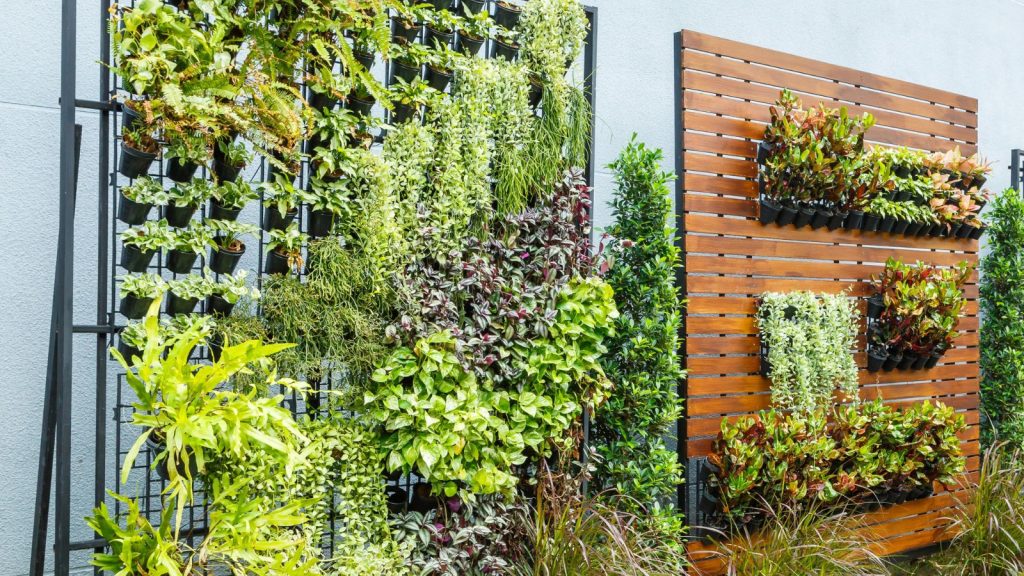
Consider integrating your chicken area with vertical gardens or container planting. This not only saves space but also creates a more attractive and functional homestead. For inspiration, explore the concept of modern homesteading and how it adapts to urban settings.

Maintaining Healthy and Happy Chickens in Tight Quarters
Keeping a small flock healthy requires attention to cleanliness, nutrition, and enrichment. Clean the coop regularly to prevent odor and disease. Use deep-litter methods or removable trays for easy maintenance. Provide a balanced diet with layer feed, grit, and occasional kitchen scraps. Fresh water should always be available.
Enrichment is vital in limited spaces. Offer dust baths, hanging treats, and safe objects for pecking and scratching. Rotate perches and add new items to prevent boredom. A healthy, stimulated flock is less likely to develop behavioral issues.
For more foundational advice on starting your own compact homestead, visit how to start small-space homesteading.
Egg Production and What to Expect from Your Flock
Even a few hens can provide a steady supply of fresh eggs. Most small breeds lay between 3–5 eggs per week. Factors such as breed, age, diet, and daylight hours influence productivity. To maximize egg laying, ensure your chickens have access to natural light or supplement with safe artificial lighting during winter months.
Collect eggs daily to maintain cleanliness and reduce the risk of breakage or egg eating. For more details on egg-laying habits and tips, see these backyard chicken egg facts.
Integrating Chickens into Your Small-Space Homestead
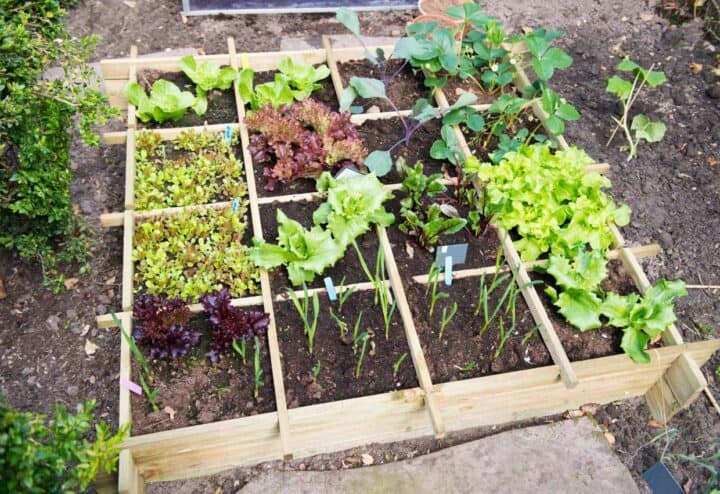
Chickens can play a valuable role in a compact homesteading system. Their manure is an excellent fertilizer for gardens, and their foraging helps control pests. Consider rotating your flock through garden beds or using chicken tractors to fertilize and till the soil. For more on the advantages of this approach, review the benefits of small-space homesteading.
When integrating poultry with other elements, such as container gardens or vertical plantings, be mindful of plant safety and chicken access. Use fencing or netting to protect delicate crops while allowing birds to forage in designated areas.
Common Challenges and Solutions for Urban Chicken Keepers
Raising poultry in a confined area comes with unique obstacles. Noise, odor, and pests are the most frequent concerns. To minimize noise, avoid keeping roosters and choose quiet breeds. Control odor by cleaning regularly and using absorbent bedding like pine shavings or straw.
Pests such as rodents and insects can be deterred by storing feed in sealed containers and maintaining a tidy coop. For additional strategies, see these tips on eco friendly pest prevention in homes.
Finally, be a good neighbor by communicating openly, sharing eggs, and keeping your setup visually appealing. This fosters goodwill and helps ensure your flock remains a welcome part of the community.
Frequently Asked Questions
How much space do chickens really need in a small backyard?
Each chicken should have at least 2–3 square feet inside the coop and 8–10 square feet in an outdoor run. More space is always better to reduce stress and promote natural behaviors.
Are there chicken breeds best suited for confined environments?
Yes, bantam breeds and docile standard breeds like Orpingtons and Australorps adapt well to smaller areas. They are generally quieter, friendlier, and require less space than larger or more active breeds.
Is it possible to keep chickens indoors or on a balcony?
While some people keep chickens in enclosed patios or on balconies, it’s important to provide adequate ventilation, sunlight, and protection from predators. Always check local regulations before attempting this setup.