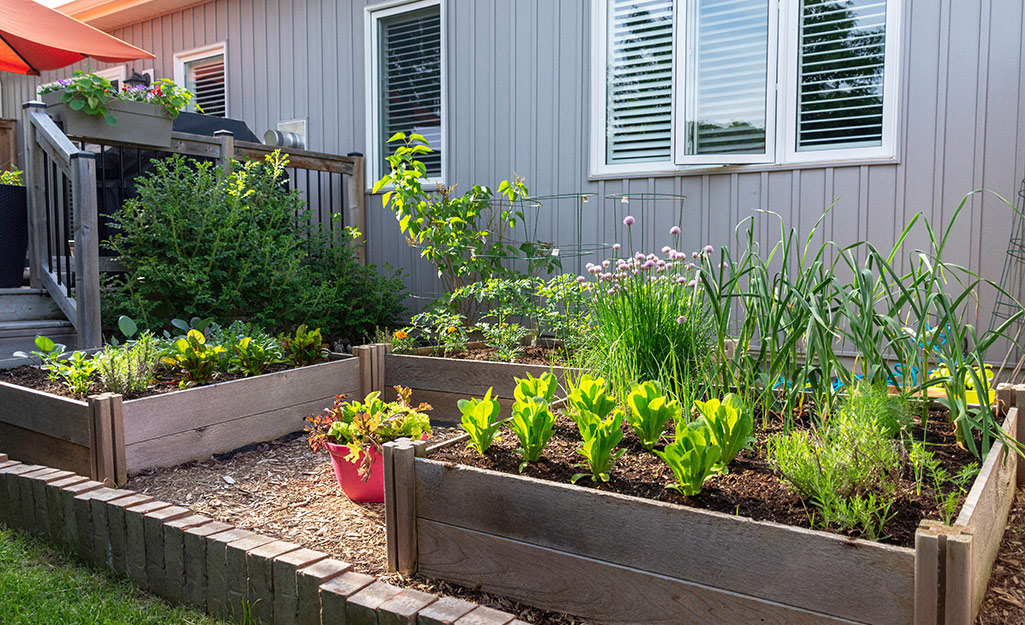
Creating a thriving garden is a dream for many homesteaders. However, the presence of pesky intruders often makes this dream challenging. Learning how to deal with garden pests naturally is essential for maintaining a healthy and productive homestead. In this article, we will explore various methods to manage garden pests without resorting to harmful chemicals.
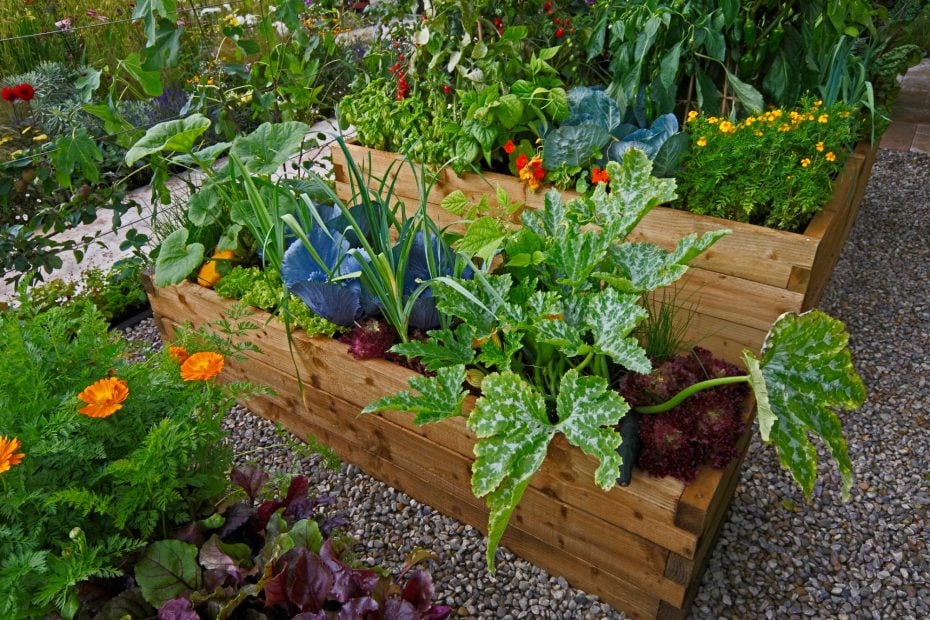
Understanding the Impact of Garden Pests
Garden pests can wreak havoc on your plants, leading to reduced yields and even plant death. They often feed on leaves, stems, and roots, impairing the plant’s ability to grow and produce. Recognizing the impact of these pests is the first step in managing them effectively.
Identifying Common Garden Pests
Before you can manage pests, you need to identify them. Common garden pests include aphids, caterpillars, slugs, and snails. Each of these pests affects plants differently, so accurate identification is crucial for effective control.
Aphids
Aphids are small, sap-sucking pests that can cause significant damage to plants by stunting growth and spreading disease. They are often found on the underside of leaves.
Caterpillars
Caterpillars are the larval stage of butterflies and moths. They can defoliate plants quickly, leaving them vulnerable to other pests and diseases.
Slugs and Snails
Slugs and snails are notorious for their ability to destroy young plants overnight. They feed on leaves and stems, often leaving a slimy trail behind.
Natural Methods for Managing Garden Pests
There are several natural methods to manage garden pests effectively. These methods focus on prevention, physical barriers, and natural predators.
Prevention
Prevention is always better than cure. By maintaining a healthy garden environment, you can discourage pests from settling. This includes proper soil management, crop rotation, and companion planting.
Physical Barriers
Using physical barriers such as row covers and netting can protect your plants from pests. These barriers prevent pests from reaching the plants while allowing sunlight and water to pass through.
Natural Predators
Encouraging natural predators like ladybugs and birds can help keep pest populations in check. These predators feed on pests, providing a natural balance to your garden ecosystem.
Homemade Pest Control Solutions
Homemade solutions can be an effective way to manage pests without harming the environment. Some popular homemade solutions include garlic spray, neem oil, and soap spray.
Garlic Spray
Garlic spray is a natural deterrent for many pests. Simply blend garlic cloves with water, strain, and spray onto plants. The strong odor repels insects without harming the plant.
Neem Oil
Neem oil is a natural pesticide derived from the neem tree. It disrupts the life cycle of pests, preventing them from reproducing and spreading.
Soap Spray
Soap spray is an easy and effective way to control soft-bodied insects like aphids. Mix liquid soap with water and spray directly onto the pests.
Utilizing Beneficial Insects
Introducing beneficial insects into your garden can help control pest populations naturally. Ladybugs, lacewings, and parasitic wasps are excellent options for organic pest control.
Companion Planting Techniques
Companion planting involves growing certain plants together to deter pests. For example, marigolds are known to repel nematodes, while basil can deter flies and mosquitoes.
Maintaining Garden Health
A healthy garden is less susceptible to pest infestations. Regularly check your plants for signs of stress, disease, or nutrient deficiencies, and address any issues promptly.
Utilizing Organic Fertilizers
Organic fertilizers improve soil health, leading to stronger plants that can better withstand pest attacks. Compost, manure, and bone meal are excellent options for enriching your soil naturally.
Practicing Crop Rotation
Crop rotation prevents pests from establishing themselves in your garden. By changing the location of plant families each season, you disrupt the life cycle of pests and reduce their numbers.
Monitoring and Early Intervention
Regular monitoring of your garden allows for early detection of pest problems. By intervening early, you can prevent small issues from becoming large infestations.
Embracing Biodiversity
Biodiversity in your garden creates a balanced ecosystem, reducing the likelihood of pest outbreaks. Include a variety of plants to attract different beneficial insects and wildlife.
Resources for Further Learning
For more information on creating a thriving homestead, consider visiting Homestead Benefits. Additionally, explore Backyard Homesteading for beginner tips.
Conclusion
By adopting natural methods to deal with garden pests, homesteaders can maintain a healthy and productive garden. Understanding pest behavior, using natural deterrents, and fostering biodiversity are key steps in achieving a balanced garden ecosystem.
FAQs
What are common natural pest deterrents?
Common natural pest deterrents include garlic spray, neem oil, and soap spray.
How can I attract beneficial insects to my garden?
You can attract beneficial insects by planting diverse flowers and herbs, providing water sources, and avoiding chemical pesticides.
What is companion planting?
Companion planting is a technique where certain plants are grown together to deter pests and enhance growth.