Planning a self-sufficient lifestyle away from public utilities raises a key question: how much land needed for off-grid homestead living? The answer depends on your goals, family size, climate, and the type of activities you want to pursue. Whether you dream of growing your own food, raising animals, or simply enjoying privacy and independence, understanding land requirements is the foundation of a successful off-grid journey.
Before diving into acreage numbers, it’s important to consider your intended lifestyle. Some homesteaders thrive on a single acre, while others find that five, ten, or even more acres are necessary for their ambitions. Factors like water access, soil fertility, and local regulations also play a significant role in determining how much space you’ll need.
If you’re just starting out, resources such as the off-grid homestead startup timeline can help you map out your first steps and avoid common pitfalls as you plan your land purchase.
Key Factors That Influence Land Requirements
There’s no universal answer to the question of acreage for off-grid living. The right amount of land depends on several variables, including:
- Family or household size: More people typically require more space for housing, gardening, and livestock.
- Food production goals: Growing enough vegetables, fruit, and grains for year-round consumption requires more land than a small kitchen garden.
- Livestock plans: Chickens need less room than goats or cows. The type and number of animals you want to keep will impact your acreage needs.
- Climate and geography: Fertile, well-watered land can be more productive per acre than arid or rocky terrain.
- Water access: Reliable water sources are essential for gardening, livestock, and household use.
- Local zoning and regulations: Some areas have minimum lot sizes or restrictions on agricultural activities.
For a deeper understanding of what homesteading off the grid involves, you might find this comprehensive guide to off-grid homesteading helpful.
Minimum Acreage for Basic Self-Sufficiency
For those wondering about the bare minimum, many experienced homesteaders agree that one to two acres can support a small family if the land is fertile and well-managed. On this scale, you can typically fit:
- A modest home and outbuildings
- A large vegetable garden
- Small orchard or berry patch
- Chicken coop and run
- Space for composting and water collection
Intensive gardening methods, such as raised beds and permaculture, can maximize yields on limited space. However, if you plan to raise larger livestock or grow staple crops like grains, you’ll likely need more land.
Expanding Your Homestead: When More Land Makes Sense
If your vision includes raising larger animals, growing animal feed, or maintaining a woodlot for fuel, you’ll need additional acreage. Here’s a general breakdown for more ambitious off-grid properties:
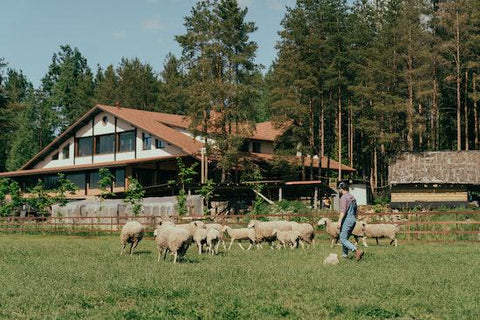
- 2–5 acres: Suitable for a family wanting a larger garden, more fruit trees, and a small flock of goats or sheep. This size allows for rotational grazing and more privacy.
- 5–10 acres: Ideal for those who want to raise cows, pigs, or keep horses. You’ll have room for a pond, larger orchards, and possibly a small woodlot.
- 10+ acres: Provides ample space for multiple families, commercial-scale gardens, extensive livestock, and sustainable forestry. This size is also more likely to offer natural resources like timber and hunting grounds.
Keep in mind that more land means more maintenance and higher upfront costs. It’s wise to start with what you can manage and expand as your skills and needs grow.
Land Quality vs. Quantity: What Matters Most?
The productivity of your homestead depends more on land quality than sheer size. A fertile, well-watered two-acre plot can often outproduce a dry, rocky ten-acre parcel. Here are some features to prioritize:
- Reliable water sources: Springs, wells, creeks, or ponds are invaluable for both gardening and livestock.
- Good soil: Deep, loamy soil is ideal for growing a wide range of crops. Poor soil can be improved, but it takes time and effort.
- Sun exposure: South-facing slopes maximize sunlight for gardens and solar panels.
- Natural windbreaks: Trees and hills can protect your home and crops from harsh weather.
- Accessibility: Proximity to roads and markets can make life easier, especially for selling surplus produce.
For those interested in unique environments, such as arid regions, check out these off-grid homesteading in deserts tips to learn how to adapt your acreage and methods to challenging climates.
Other Considerations for Off-Grid Land Selection
Beyond acreage, several practical factors can impact your success:
- Legal restrictions: Research zoning laws, building codes, and any covenants that could limit your activities.
- Utilities and access: Even if you plan to be fully off-grid, access to the property for construction and emergencies is crucial.
- Community and support: Some homesteaders prefer total isolation, while others value being near like-minded neighbors or local markets.
- Internet and communication: If you need to work remotely, investigate off-grid internet solutions before committing to a remote parcel.
For those preparing for emergencies or natural disasters, the disaster preparedness off-grid guide offers practical advice on making your property resilient and secure.
Frequently Asked Questions
Can a Family Live Off-Grid on Just One Acre?
Yes, it’s possible for a small family to achieve a high degree of self-sufficiency on a single acre, especially with intensive gardening and small livestock like chickens or rabbits. However, larger animals and staple crops require more space.
How Much Land Do I Need for Livestock?
The amount of land needed depends on the type and number of animals. Chickens and rabbits require minimal space, while goats or sheep need about 0.25–0.5 acres per animal for rotational grazing. Cows and horses typically need at least 1–2 acres each, depending on pasture quality.
What’s More Important: Land Size or Land Quality?
Land quality is often more important than size. Fertile soil, reliable water, and good sun exposure can make a small property highly productive. Poor-quality land may require significant investment to improve.
Are There Legal Restrictions on Off-Grid Living?
Many areas have zoning laws or building codes that affect off-grid homesteads. Always check local regulations before purchasing land to ensure you can build, garden, and raise animals as planned.
What’s a Good First Step for Beginners?
Start by clarifying your goals and researching your preferred region. Use resources like the off-grid homestead startup timeline to plan your approach and avoid costly mistakes.
Choosing the right acreage for your off-grid dreams is a balance of ambition, practicality, and local conditions. By focusing on your needs and the land’s potential, you’ll set yourself up for a rewarding and sustainable homesteading experience.