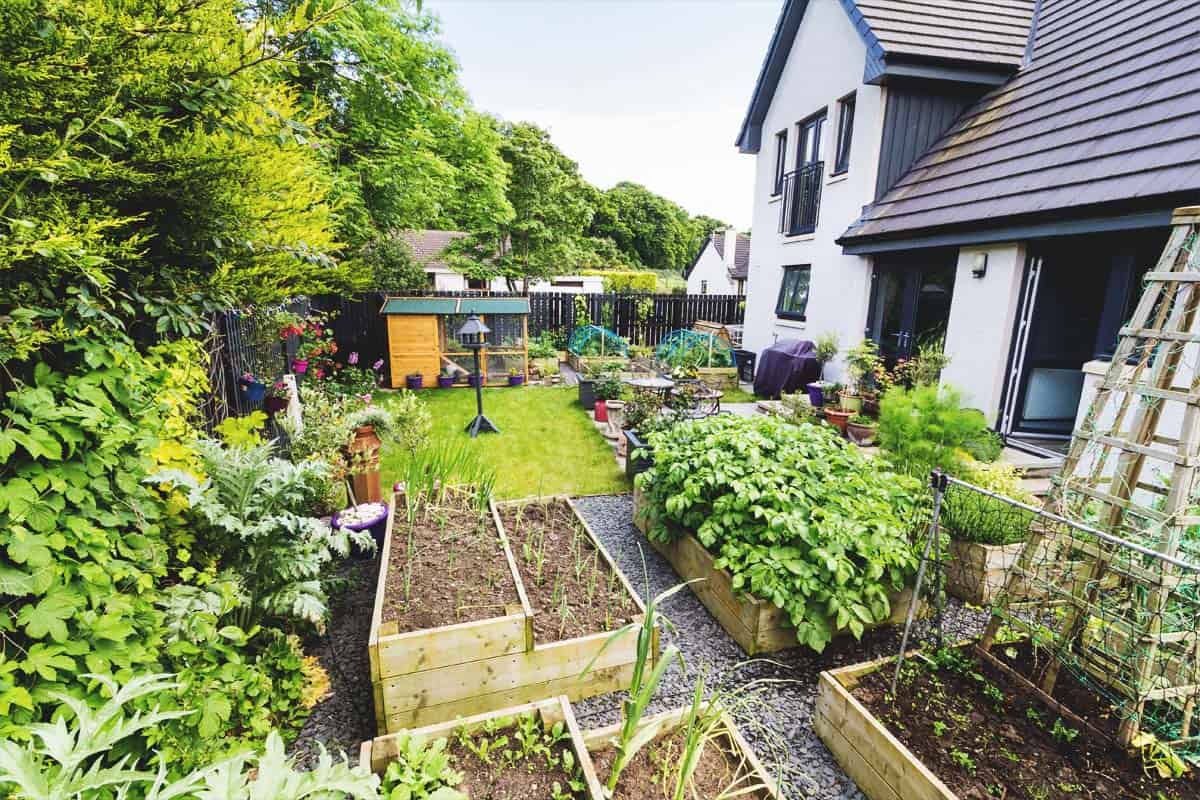
In today’s world, many families are seeking ways to live more sustainably and connect with nature. One way to achieve this is through family friendly homestead projects. These projects not only bring families closer together but also teach valuable skills and promote a healthier lifestyle. Whether you have a large plot of land or a small backyard, there are numerous homestead projects that are perfect for families to enjoy together.
Introduction to Homesteading
Homesteading is a lifestyle choice that emphasizes self-sufficiency, sustainable living, and a strong connection to the environment. It’s about growing your own food, raising animals, and making the most of the resources available to you. For families, homesteading can be a wonderful way to work together towards common goals and create lasting memories.
The Benefits of Family Homesteading
Participating in family homestead projects provides numerous benefits. These projects foster teamwork, teach children about responsibility and the importance of caring for the environment, and provide a sense of accomplishment. Additionally, they offer an opportunity for families to unplug from technology and spend quality time outdoors.
Starting Small: Beginner Projects
For those new to homesteading, it’s important to start with simple projects that are manageable and fun for everyone involved. Here are a few ideas to get you started:
Creating a Family Garden
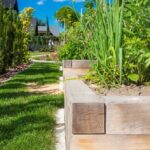
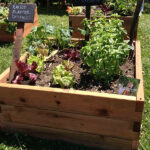
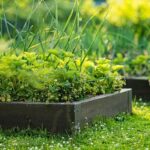
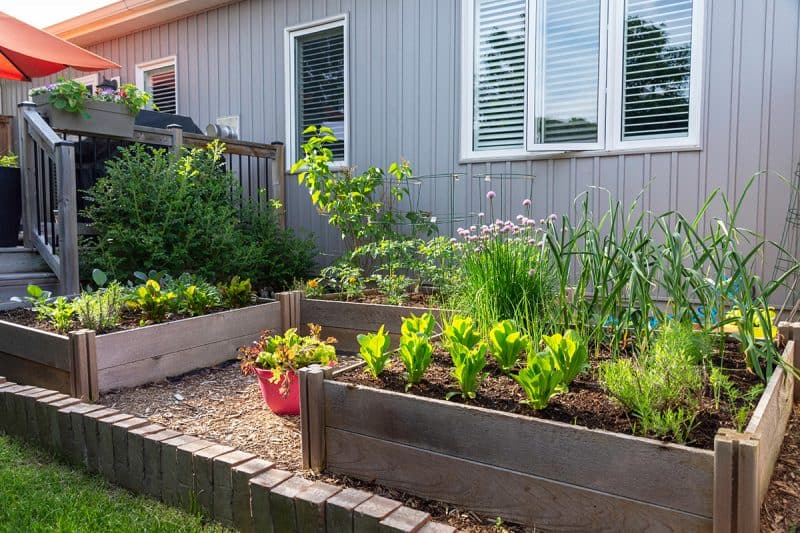
One of the most rewarding homestead projects is starting a family garden. This project allows everyone to participate in planting, watering, and harvesting. Choose easy-to-grow vegetables such as tomatoes, carrots, and lettuce. This project can teach children about plant life cycles and the importance of eating fresh, homegrown produce.
Building a Birdhouse
Another simple yet engaging project is building a birdhouse. This activity can be done with materials found around the home, such as wood scraps or old milk cartons. It’s a great way to introduce children to woodworking skills and encourage them to observe local bird species.
Intermediate Projects for Growing Families
As your family becomes more comfortable with homesteading, you might want to try more advanced projects. These require a bit more effort but offer great rewards:
Composting Together
Composting is an excellent way to reduce waste and create nutrient-rich soil for your garden. Set up a compost bin in your backyard and involve the whole family in collecting kitchen scraps and yard waste. This project teaches children about decomposition and the importance of recycling materials.
Setting Up a Chicken Coop
If you have the space and resources, consider raising chickens. Building a chicken coop and caring for chickens can be a fun and educational project for the entire family. Collecting fresh eggs each morning is a rewarding experience that also teaches responsibility and animal care.
Advanced Projects for Ambitious Homesteaders
For families who have mastered the basics, there are more ambitious projects to tackle. These projects require dedication and a willingness to learn new skills:
Building a Greenhouse
Constructing a greenhouse allows you to extend your growing season and experiment with different plant varieties. This project involves planning, construction, and ongoing maintenance, making it a great learning opportunity for older children and teenagers.
Creating a Beehive
Beekeeping is a fascinating and beneficial hobby for homesteaders. Setting up a beehive requires research and careful planning, but it can provide your family with fresh honey and support local pollination. It’s also an excellent way to learn about the critical role bees play in our ecosystem.
Maintaining Your Homestead
Regardless of the projects you choose, maintaining your homestead is key to long-term success. Regular maintenance ensures that your garden, animals, and structures remain healthy and productive. Involve the entire family in routine tasks such as watering plants, feeding animals, and repairing structures. This shared responsibility fosters a sense of pride and ownership in the homestead.
Incorporating Technology
While homesteading emphasizes traditional skills, technology can enhance your efforts. Use online resources to learn about new techniques, track your garden’s progress, or connect with other homesteaders. There are also apps available that can help with plant identification, weather tracking, and more.
Resources for Homesteaders
There are numerous resources available for families interested in homesteading. Books, online courses, and local workshops can provide valuable information and inspiration. Consider joining homesteading groups or forums to connect with like-minded individuals and share experiences.
For more tips on starting your homesteading journey, visit Rivers Family Farm. Additionally, check out this spring project guide on 15 Acre Homestead for seasonal inspiration.
Conclusion
Family friendly homestead projects offer a unique opportunity for families to work together, learn new skills, and live more sustainably. Whether you’re just starting out or are an experienced homesteader, there are projects suitable for every skill level. By embracing homesteading, your family can enjoy the many benefits of a self-sufficient and environmentally conscious lifestyle.
FAQs
What age is appropriate for children to start participating in homestead projects?
Children as young as three or four can participate in simple tasks such as planting seeds or collecting eggs. As they grow older, they can take on more responsibility and tackle more complex projects.
Do I need a lot of land to start homesteading?
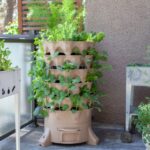
No, you don’t need a large plot of land to start homesteading. Many projects can be adapted for small backyards or even apartment balconies. The key is to make the most of the space you have available.
How can I involve my children in homesteading?
Involve your children by assigning age-appropriate tasks, such as watering plants, feeding animals, or helping with construction projects. Encourage them to ask questions and explore their interests within the homestead.