Making the transition to a self-sufficient lifestyle requires careful planning, practical skills, and the right equipment. Whether you’re starting a remote homestead or seeking more independence from modern utilities, having a well-curated set of essential tools for off-grid living can make daily life safer, more efficient, and more rewarding. This guide explores the must-have gear and implements that support everything from food production to shelter maintenance and energy independence.
Before diving into the core categories of tools, it’s helpful to understand how your choices will impact comfort, productivity, and sustainability. Investing in quality items and learning how to use them effectively is key. For those interested in optimizing their off-grid setup, exploring insulation for off-grid living can help maintain comfortable temperatures and reduce energy needs year-round.
Hand Tools for Daily Chores and Repairs
Manual implements are the backbone of any off-grid homestead. Without reliable access to power tools, these items become indispensable for construction, repairs, and routine maintenance. A basic toolkit should include:
- Axe and Hatchet: For splitting firewood, clearing brush, and emergency tasks.
- Handsaw and Bow Saw: Useful for cutting lumber and pruning trees without electricity.
- Hammer and Mallet: For building, fencing, and general repairs.
- Wrenches and Screwdrivers: Essential for assembling and maintaining equipment.
- Shovel and Spade: For digging, gardening, and composting.
- Wheelbarrow: Makes moving soil, wood, and supplies much easier.
These foundational items are crucial for everyday tasks, from fixing a fence to chopping wood for your wood stove off-grid homestead heating system.
Gardening and Food Production Gear
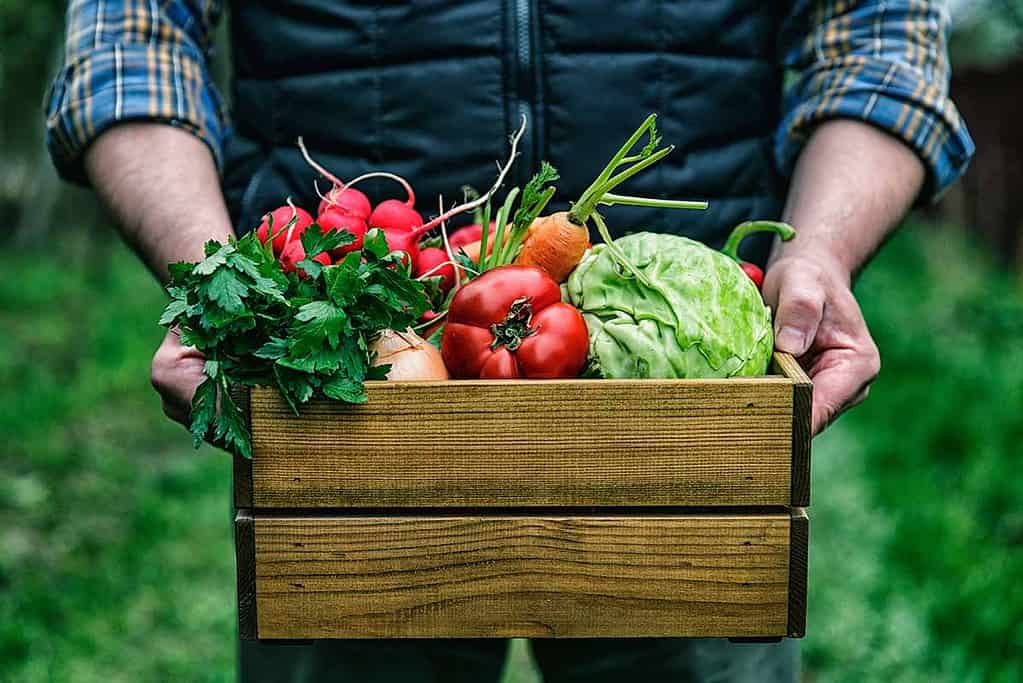
Growing your own food is a central part of off-grid living. Durable gardening tools help you prepare soil, plant crops, and harvest produce efficiently. Consider adding these to your collection:
- Hoe and Rake: For breaking up soil, weeding, and leveling beds.
- Pruning Shears: Keeps fruit trees and bushes healthy and productive.
- Watering Can or Irrigation System: Ensures crops get the moisture they need, especially in dry conditions.
- Compost Bin: Turns kitchen scraps and yard waste into valuable fertilizer.
- Raised Garden Beds: Improve soil quality and drainage, making gardening more accessible and productive.
For those with limited acreage, raising smaller animals is a practical way to supplement your food supply. Learn more about small livestock for homesteaders to diversify your homestead’s output.
Water Collection and Filtration Solutions
Reliable access to clean water is non-negotiable. Off-grid setups often rely on rainwater harvesting, wells, or nearby streams. To ensure a steady and safe water supply, consider these essentials:
- Rain Barrels and Gutters: Collect and store rainwater for irrigation and household use.
- Manual Water Pump: Draws water from wells without electricity.
- Water Filters and Purifiers: Removes contaminants from natural sources, making water safe to drink.
- Storage Containers: Food-grade barrels or tanks for storing potable water.
Pairing these systems with proper root cellar ideas off-grid can also help with long-term food and water storage, increasing your resilience during dry spells or emergencies.
Power Generation and Lighting Equipment
While many off-grid homesteads minimize reliance on electricity, some power is often necessary for lighting, communication, or running critical appliances. Here are some practical options:
- Solar Panels and Battery Banks: Harness renewable energy for lights, tools, and small devices.
- Portable Generator: Provides backup power during extended cloudy periods or emergencies.
- LED Lanterns and Headlamps: Efficient lighting for indoor and outdoor use.
- Hand-Crank Flashlights: Reliable illumination without batteries.
For year-round comfort, explore off-grid climate control ideas to keep your living space comfortable in all seasons.

Livestock and Poultry Management Tools
Raising animals for eggs, milk, or meat is a common part of self-sufficient living. The right equipment makes animal care more manageable and humane. Key items include:
- Fencing Tools: Post drivers, wire stretchers, and pliers for building and maintaining secure enclosures.
- Feed and Water Containers: Durable troughs and buckets that withstand outdoor conditions.
- Egg Collecting Baskets: Handy for gathering and transporting eggs safely.
- Automatic Coop Doors: Improve poultry safety and reduce daily chores.
Upgrading your chicken coop with smart features can save time and protect your flock. Consider options like automatic doors or solar-powered lighting for added convenience.
Emergency and First Aid Supplies
Living remotely means being prepared for accidents, injuries, or unexpected events. A comprehensive first aid kit and some basic emergency gear are vital:
- First Aid Kit: Stocked with bandages, antiseptics, pain relievers, and wound care supplies.
- Fire Extinguisher: For dealing with kitchen or wood stove fires.
- Multi-Tool or Swiss Army Knife: Versatile for repairs and emergencies.
- Emergency Radio: Stay informed about weather and local alerts.
Regularly check and replenish your emergency supplies to ensure you’re ready for any situation.
Long-Term Storage and Preservation Equipment
Preserving food and supplies extends your self-reliance, especially through winter or lean seasons. Useful items for storage and preservation include:
- Canning Supplies: Jars, lids, and pressure canners for preserving fruits, vegetables, and meats.
- Dehydrator: Dries produce for long-term storage without refrigeration.
- Root Cellar: Naturally cool storage for root vegetables, fruits, and canned goods.
- Rodent-Proof Containers: Protects grains and seeds from pests.
Building a root cellar or using other traditional storage methods can greatly increase your food security and reduce waste.
Learning Resources and Community Support
No matter how well-equipped you are, knowledge and community connections are just as important as physical tools. Books, online forums, and local groups offer invaluable advice and troubleshooting tips. For a deeper dive into the philosophy and practicalities of this lifestyle, check out this comprehensive overview of off-grid living and homesteading.
Frequently Asked Questions
What are the most important tools for starting an off-grid homestead?
The most crucial items include basic hand tools (axe, saw, hammer), gardening implements, water collection and filtration systems, and a reliable source of lighting. These cover daily needs and help you adapt to a variety of situations.
How do I choose between manual and powered equipment?
Manual tools are more reliable and require no electricity, making them ideal for remote locations. However, if you have access to renewable energy, certain powered tools can save time and effort for larger projects.
How can I store food safely without refrigeration?
Canning, dehydrating, and using a root cellar are all effective methods for preserving food off the grid. Proper containers and pest-proof storage are also essential for keeping supplies safe and fresh.