Embracing eco-friendly homesteading practices is more than a trend—it’s a commitment to living in harmony with the land while reducing your ecological footprint. Whether you are just starting out or looking to refine your sustainable lifestyle, adopting proven methods can make a significant difference for your home, your health, and the environment. This article explores practical strategies for greener living, from renewable energy to regenerative gardening, and highlights resources for those seeking to deepen their knowledge.
For those interested in taking sustainability a step further, exploring regenerative living off-grid offers insights into building a truly self-sufficient and restorative homestead.

Building a Foundation for Sustainable Homesteading
Creating a resilient homestead starts with thoughtful planning and a willingness to adapt. Key elements include choosing the right location, understanding your land’s natural resources, and designing systems that work with nature rather than against it. By prioritizing sustainable off-grid living strategies, you can reduce reliance on external utilities and minimize waste.
Many homesteaders begin by evaluating their water sources, soil quality, and local climate. Rainwater harvesting, greywater recycling, and composting toilets are just a few ways to conserve water and close resource loops. For more on sustainable living, see this guide to sustainable off-grid living.
Renewable Energy Solutions for the Modern Homestead
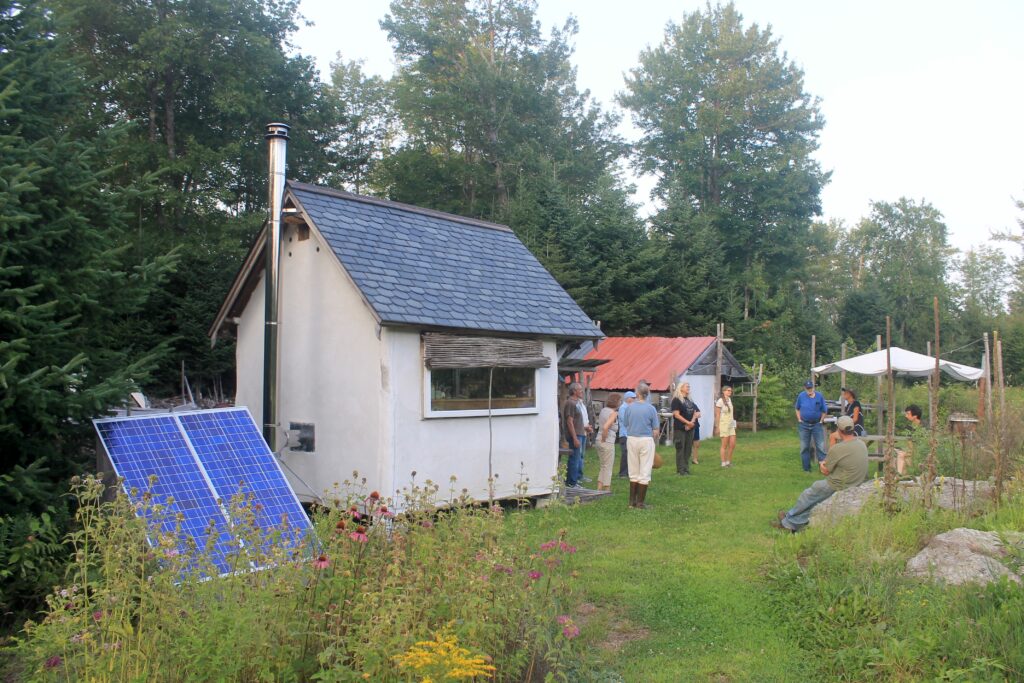
One of the most impactful eco-friendly homesteading practices is the integration of renewable energy. Solar panels, wind turbines, and micro-hydro systems can provide clean power for daily needs. While the initial investment can be significant, the long-term savings and environmental benefits are substantial.
- Solar Power: Photovoltaic panels are the most accessible option for most homesteads. They can be used for electricity, water heating, and even passive solar home design.
- Wind Energy: Small-scale wind turbines are effective in areas with consistent breezes. They can supplement solar power during cloudy periods.
- Micro-Hydro: If you have access to a flowing stream, micro-hydro generators offer reliable, round-the-clock power.
Many off-grid families combine these systems for greater resilience. For a deeper dive into what it takes to set up an independent energy system, check out resources on essential things to know about off-grid homesteading.
Regenerative Gardening and Soil Health
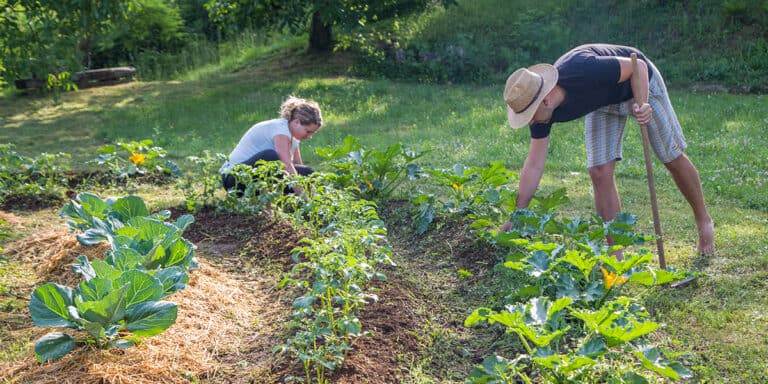
At the heart of any homestead is the garden. Adopting regenerative gardening techniques not only produces healthy food but also restores soil health and increases biodiversity. These methods go beyond organic gardening by actively improving the ecosystem.
- No-Till Gardening: Reduces soil disturbance, preserves beneficial organisms, and prevents erosion.
- Composting: Turns kitchen and yard waste into nutrient-rich soil amendments, closing the nutrient loop.
- Polyculture Planting: Growing a variety of crops together mimics natural systems and reduces pest outbreaks.
- Cover Cropping: Planting cover crops during the off-season protects soil and adds organic matter.
Eco-Conscious Animal Husbandry
Raising animals can be done in a way that supports the land and reduces environmental impact. Rotational grazing, deep litter bedding, and integrated pest management are all part of a holistic approach to animal care.
- Rotational Grazing: Moving livestock between pastures prevents overgrazing and encourages grass regrowth.
- Deep Litter Systems: This method for poultry and small livestock reduces odor, creates compost, and minimizes cleaning labor.
- Integrated Pest Management: Ducks and chickens can help control insects and weeds, reducing the need for chemical interventions.
When managed thoughtfully, animals contribute to a closed-loop system that builds soil fertility and enhances food security.
Reducing Waste and Closing Resource Loops
A key principle of eco-friendly homesteading is minimizing waste. This can be achieved through composting, upcycling, and mindful consumption. Every material brought onto the homestead should have a plan for reuse or recycling.
- Composting: All organic waste, from kitchen scraps to animal bedding, can be composted and returned to the soil.
- Upcycling: Repurposing materials like pallets, barrels, and old tools reduces the need for new purchases and keeps items out of landfills.
- Bulk Purchasing and Reusable Containers: Buying in bulk and avoiding single-use packaging cuts down on plastic waste.
These habits not only help the environment but also save money and foster creativity on the homestead.
Legal and Financial Considerations for Green Homesteads
Before making major changes, it’s important to understand local regulations and financial planning. Zoning laws, building codes, and tax implications can all affect your ability to implement certain sustainable systems. For those considering a move to a rural property, learning about off-grid homestead laws and financing an off-grid homestead can help avoid costly mistakes.
Many regions offer incentives for renewable energy installations or conservation practices. Researching these opportunities can make eco-friendly upgrades more affordable.
Community and Knowledge Sharing
Sustainable living thrives when knowledge is shared. Connecting with local gardening clubs, permaculture groups, and online forums can provide support and inspiration. Attending workshops or volunteering at established homesteads can also accelerate your learning curve.
Remember, every homestead is unique. What works in one climate or community may need to be adapted elsewhere. The key is to stay curious, keep learning, and share your successes and challenges with others.
Frequently Asked Questions
What are the easiest eco-friendly homesteading practices to start with?
Beginners often find success with composting kitchen scraps, starting a small no-till garden, and collecting rainwater. These steps require minimal investment and quickly demonstrate the benefits of sustainable living.
How can I make my homestead more energy efficient?
Improving insulation, using energy-efficient appliances, and installing solar panels are effective ways to reduce energy use. Combining multiple renewable sources, such as solar and wind, can further increase resilience.
Is it possible to raise animals sustainably on a small property?
Yes, with careful planning. Rotational grazing, deep litter bedding, and integrating animals into your garden system can all support soil health and reduce environmental impact, even on smaller plots.