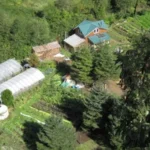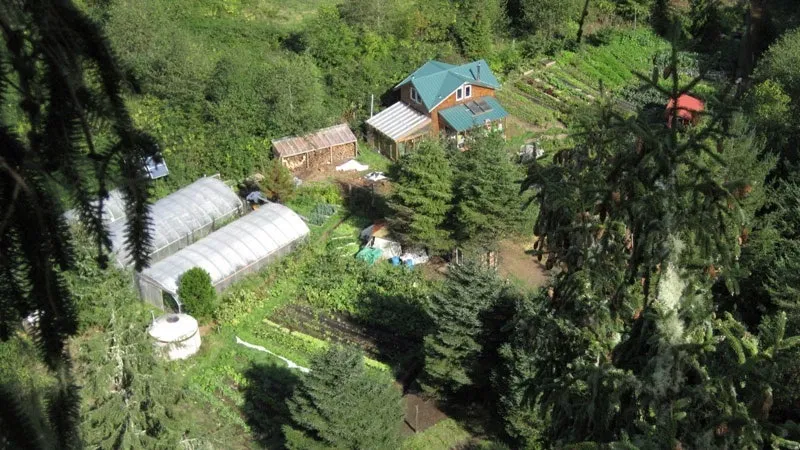
Building a more independent lifestyle is a growing priority for many people. Whether you’re looking to reduce your reliance on public utilities, save money, or simply enjoy the satisfaction of hands-on problem-solving, DIY off-grid projects can help you take meaningful steps toward greater self-sufficiency. From energy and water solutions to food production and shelter, there are countless ways to make your homestead or rural property more resilient.
This article explores a variety of practical and achievable projects that can boost your resourcefulness and help you thrive off the grid. You’ll find tips for getting started, links to in-depth resources, and ideas for both beginners and experienced homesteaders. If you’re interested in optimizing your home’s energy use, you might also want to check out our guide on insulation for off-grid living, which covers materials and techniques for keeping your space comfortable year-round.
Essential Power Solutions for Off-Grid Living
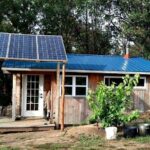
One of the first challenges in creating a self-reliant homestead is generating your own electricity. Solar panels are a popular choice for many off-grid enthusiasts due to their reliability and decreasing cost. Installing a basic solar array can provide enough power for lighting, small appliances, and charging devices. For those with access to running water, micro-hydro systems are another efficient option, offering continuous energy production with minimal maintenance.
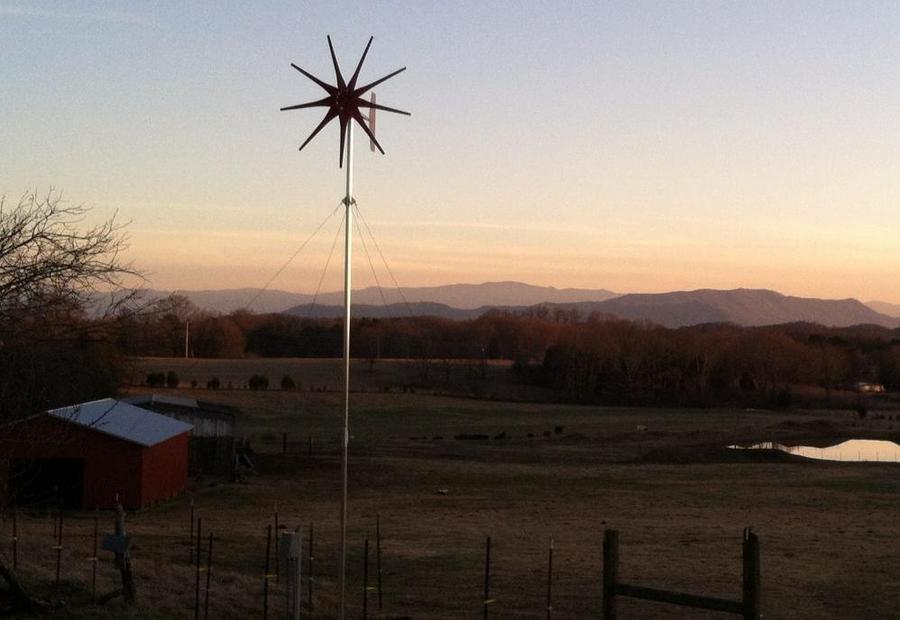
Wind turbines can also supplement your energy needs, especially in areas with consistent breezes. When planning your energy setup, it’s important to assess your site’s resources and energy demands. Combining multiple sources often provides the most reliable results. For detailed climate control strategies, see our article on off-grid climate control ideas.
Water Collection and Purification Projects
Reliable access to clean water is fundamental for any off-grid property. Rainwater harvesting is a straightforward and effective way to collect water for household use, irrigation, or livestock. Setting up a rainwater catchment system typically involves installing gutters, downspouts, and storage tanks. To ensure safety, it’s essential to filter and purify collected water before drinking.
Simple sand and charcoal filters can remove particulates, while solar stills or UV purification methods can help eliminate pathogens. For those with access to a natural spring or stream, gravity-fed water systems can provide a steady supply with minimal energy input.
Growing Your Own Food: Gardens and Small Livestock
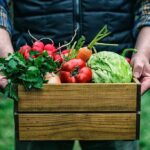
Producing your own food is a cornerstone of self-reliance. Raised bed gardens are ideal for maximizing yields in limited space and improving soil quality. They also make it easier to manage weeds and pests. For those just starting out, a few well-placed beds can supply a steady stream of vegetables throughout the growing season.
Incorporating small livestock for homesteaders such as chickens, rabbits, or ducks can further boost your food security. These animals require less space and feed than larger livestock, making them suitable for smaller properties. Chickens, for example, provide both eggs and meat, while their manure enriches garden soil.
For food preservation, consider building a root cellar. Our guide to root cellar ideas off-grid covers natural storage solutions that keep produce fresh without electricity.
Building and Shelter Improvements for Off-Grid Independence
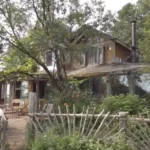
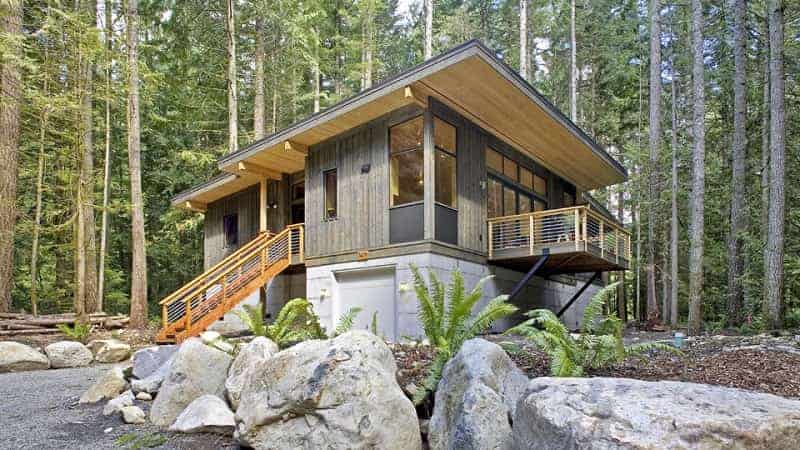
Constructing or upgrading your shelter is another key aspect of living off the grid. Many people start with a small cabin, yurt, or tiny house, which can be built using locally sourced or reclaimed materials. Insulating your structure is crucial for comfort and energy efficiency. For more on this, revisit our insulation for off-grid living resource.
Wood stoves are a popular option for heating and cooking. They’re reliable, fuel-efficient, and can be built or installed with basic tools. Learn more about their benefits and installation tips in our article on wood stove off-grid homestead.
Smart Storage and Food Preservation Techniques
Storing food and supplies efficiently is vital for any off-grid setup. In addition to root cellars, consider building shelves, pantries, or even underground caches to protect your harvest from pests and temperature swings. Canning, dehydrating, and fermenting are time-tested methods for preserving fruits, vegetables, and meats.
Solar dehydrators are a simple project that can be built with basic materials. These devices use the sun’s heat to dry produce, extending shelf life without electricity. For more advanced storage, explore options like smokehouses or cheese caves, which can be constructed with local materials and a bit of ingenuity.
Learning from Experienced Homesteaders
There’s a wealth of knowledge available from those who have already made the leap to off-grid living. Reading detailed accounts, watching build videos, and joining online forums can help you avoid common pitfalls and discover creative solutions. For a comprehensive overview of setting up a remote property, see this step-by-step guide to building an off-grid homestead from Mother Earth News.
Connecting with local homesteading groups or attending workshops can also provide hands-on experience and valuable networking opportunities.
FAQ: Common Questions About DIY Off-Grid Projects
What are the most important first steps for going off-grid?
Start by assessing your property’s resources and your family’s needs. Prioritize reliable water access, shelter, and basic power generation. Begin with small, manageable projects—such as rainwater collection or a solar panel kit—before moving on to larger undertakings.
How can I make my off-grid home more energy efficient?
Focus on insulation, passive solar design, and energy-efficient appliances. Use thermal curtains, weather stripping, and well-sealed windows to reduce heat loss. For more ideas, explore our article on off-grid climate control ideas.
Is it possible to live off-grid in a small space?
Absolutely. Many people successfully live off-grid in tiny houses, cabins, or even converted sheds. The key is to maximize storage, choose compact appliances, and make use of multi-functional furniture. Small livestock and raised bed gardens can also fit into limited spaces.