Making the leap to off-grid living is a dream for many seeking independence, sustainability, and a simpler lifestyle. However, understanding the cost of off-grid homesteading is essential before making such a significant commitment. Expenses can vary widely depending on location, climate, available resources, and personal preferences. This guide offers a practical look at the real-world costs involved, from land purchase to ongoing maintenance, so you can plan your journey with confidence.
Whether you’re considering a remote cabin, a self-sufficient farm, or a small-scale homestead, it’s important to factor in both initial investments and recurring expenses. We’ll explore the key categories that make up the total budget, highlight potential savings, and point to resources that can help you build skills and resilience along the way. For those interested in building practical abilities, check out survival skills for homesteaders to prepare for the unique challenges of off-grid life.
Breaking Down the Major Expenses of Going Off-Grid
The journey to self-sufficiency involves a range of up-front and ongoing costs. Here’s a detailed look at the main categories you’ll need to consider when calculating your budget.
Land Acquisition and Site Preparation
The first and largest expense for most aspiring homesteaders is purchasing land. Prices vary dramatically by region, access to water, soil quality, and proximity to towns or services. Rural plots may range from $1,000 to $10,000 per acre or more, depending on these factors.
- Raw land often requires additional investment for clearing, grading, and access roads.
- Surveying, permits, and legal fees can add several thousand dollars to your initial costs.
- Soil testing and septic planning are crucial for long-term sustainability.
Building Your Home and Outbuildings
Construction costs depend on your approach: DIY builds, prefabricated cabins, or hiring contractors. A modest off-grid cabin can cost as little as $20,000–$50,000 if you do most of the work yourself, while more elaborate homes with modern amenities may exceed $100,000.
- Materials for insulation, roofing, and siding are essential for energy efficiency.
- Outbuildings such as sheds, barns, and greenhouses add to the total but can be built incrementally.
- Consider the cost of tools—see essential tools for off-grid living for a practical checklist.
Power Systems and Utilities
Establishing independent energy and water systems is a core part of the cost of off-grid homesteading. Solar panels, wind turbines, batteries, and backup generators are common investments.
- A basic solar setup for a small home may start at $10,000–$20,000, while larger systems can reach $40,000 or more.
- Battery banks, inverters, and charge controllers are recurring expenses as components age.
- Drilling a well or installing a rainwater catchment system can cost $5,000–$15,000 depending on depth and filtration needs.
- Septic systems or composting toilets add to the infrastructure budget.
Essential Living Expenses and Ongoing Costs
Beyond the initial setup, ongoing expenses can impact your monthly and yearly budget. Planning for these helps ensure long-term sustainability and comfort.
Food Production and Livestock
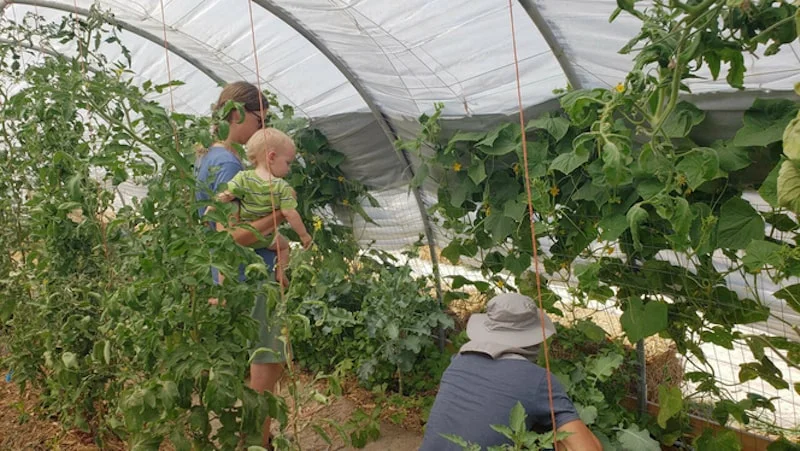
Growing your own food can dramatically reduce grocery bills, but there are up-front costs for seeds, soil amendments, fencing, and garden beds. Raising chickens, goats, or other livestock requires investment in coops, feed, and veterinary care.
- Raised beds, fencing, and irrigation systems can cost $500–$2,000 for a small garden.
- Starter flocks and coops may require $300–$1,500 upfront.
- Ongoing feed and healthcare for animals should be budgeted annually.
Maintenance, Repairs, and Upgrades
Every homestead requires regular upkeep. Budget for repairs to roofs, fences, and equipment. Power systems, water pumps, and vehicles will eventually need replacement parts or upgrades. For tips on keeping your systems running smoothly, see repairing off-grid systems.
- Set aside 5–10% of your initial investment each year for maintenance.
- DIY skills can save money, but some repairs may require professional help.
Emergency Preparedness and Resilience
Living off the grid means being ready for unexpected events—storms, wildfires, equipment failures, or medical emergencies. Building a reserve fund for emergencies is vital.
- Stockpiling food, water, and medical supplies adds to your annual costs.
- Invest in backup power sources and communication devices.
- For a comprehensive checklist, refer to off-grid emergency preparedness.
How to Save Money and Increase Self-Reliance
While the cost of off-grid homesteading can seem daunting, there are many ways to reduce expenses and boost your independence over time.
- Start small and scale up as your skills and resources grow.
- Repurpose materials and buy used equipment when possible.
- Learn new skills—such as gardening, carpentry, and basic electrical work—to minimize reliance on outside contractors.
- Explore DIY off-grid projects for inspiration and cost-saving ideas.
- Join local homesteading groups or online forums to share resources and knowledge.
Additional Considerations for Your Off-Grid Budget
There are a few more factors that can influence your overall expenses:
- Local regulations may require permits or inspections for certain projects.
- Insurance for property, structures, and liability should be included in your calculations.
- Transportation costs can rise if you live far from town—factor in fuel, vehicle maintenance, and time.
- Education and training, such as workshops or online courses, can be valuable investments for long-term success.
For a broader perspective on what homesteading entails, you might find this overview of off-grid living and homesteading helpful.
Frequently Asked Questions
What is the average initial investment for starting an off-grid homestead?
The initial investment can range from $50,000 to over $200,000, depending on land costs, home size, and the complexity of your systems. Starting small and expanding over time can help manage these expenses.
Can you live off-grid on a tight budget?
Yes, many people begin with minimal infrastructure and gradually build up their homestead. Repurposing materials, learning DIY skills, and prioritizing essential systems can make off-grid living more affordable.
What are the most common unexpected costs?
Unexpected expenses often include repairs to power or water systems, weather-related damage, and the need for additional equipment. Setting aside a contingency fund is highly recommended.
How can I reduce ongoing expenses?
Growing your own food, maintaining equipment yourself, and investing in durable, efficient systems can help lower monthly and yearly costs. Community support and bartering can also reduce reliance on outside services.
Conclusion
Planning for the cost of off-grid homesteading is about more than just tallying up numbers—it’s about understanding your needs, setting realistic goals, and building resilience for the long term. By breaking down expenses and seeking out practical resources, you can create a sustainable, rewarding lifestyle that fits your budget and values.