
As more people seek alternatives to conventional lifestyles, interest in off-grid living continues to grow. Many are drawn by the promise of a smaller environmental impact, but what does it really mean to measure the carbon footprint off-grid living creates? Understanding the true ecological effects of living independently from public utilities is essential for anyone considering this path or looking to make their homestead more sustainable.
In this article, we’ll break down the main contributors to emissions in off-grid setups, compare them to typical grid-connected households, and offer practical strategies for minimizing your environmental impact. If you’re interested in taking your eco-conscious journey further, you might also want to explore regenerative living off-grid approaches that go beyond just reducing emissions.
What Determines the Environmental Impact of Off-Grid Living?
The ecological footprint of a self-sufficient lifestyle depends on several factors. While disconnecting from municipal utilities can reduce some emissions, the overall outcome is shaped by choices in energy, food, water, and waste management. Here are the primary elements that influence the carbon footprint off-grid living arrangements produce:
- Energy Sources: Solar, wind, and micro-hydro systems typically have lower emissions than diesel generators or propane appliances.
- Building Materials: Using reclaimed wood, straw bale, or other natural materials can reduce embodied carbon compared to concrete and steel.
- Food Production: Growing your own food, raising livestock, and composting can all lower transportation and packaging emissions.
- Transportation: Remote locations often require more driving, which can increase emissions if not managed carefully.
- Waste Management: Composting toilets, greywater systems, and recycling reduce landfill contributions.
Comparing Off-Grid and Grid-Connected Carbon Emissions
Many assume that living off the grid automatically means a smaller carbon footprint. While this can be true, the reality is more nuanced. Here’s how the two lifestyles typically compare:
| Aspect | Off-Grid | Grid-Connected |
|---|---|---|
| Electricity | Often renewable, but may use generators | Usually fossil-fuel based, unless green energy is chosen |
| Heating/Cooling | Wood stoves, passive solar, propane | Natural gas, electric HVAC |
| Food | Homegrown, local, preserved | Store-bought, higher transport emissions |
| Water | Rainwater, wells, manual filtration | Municipal supply, energy-intensive treatment |
The key takeaway is that off-grid living can offer significant reductions in emissions, but only if sustainable practices are prioritized. For a deeper dive into eco-friendly strategies, consider reading about eco-friendly homesteading practices that work in real-world settings.
Key Factors That Influence the Carbon Footprint Off-Grid
Let’s look closer at the main contributors to emissions in a typical off-grid homestead:
Energy Production and Use
The biggest single factor is how you generate and use energy. Solar panels, wind turbines, and micro-hydro systems are the gold standard for low-emission power. However, many off-grid homes still rely on backup generators, which can quickly increase your carbon output if used frequently.
Energy efficiency is equally important. Super-insulated buildings, LED lighting, and energy-smart appliances all help reduce the need for power generation in the first place.
Food and Agriculture
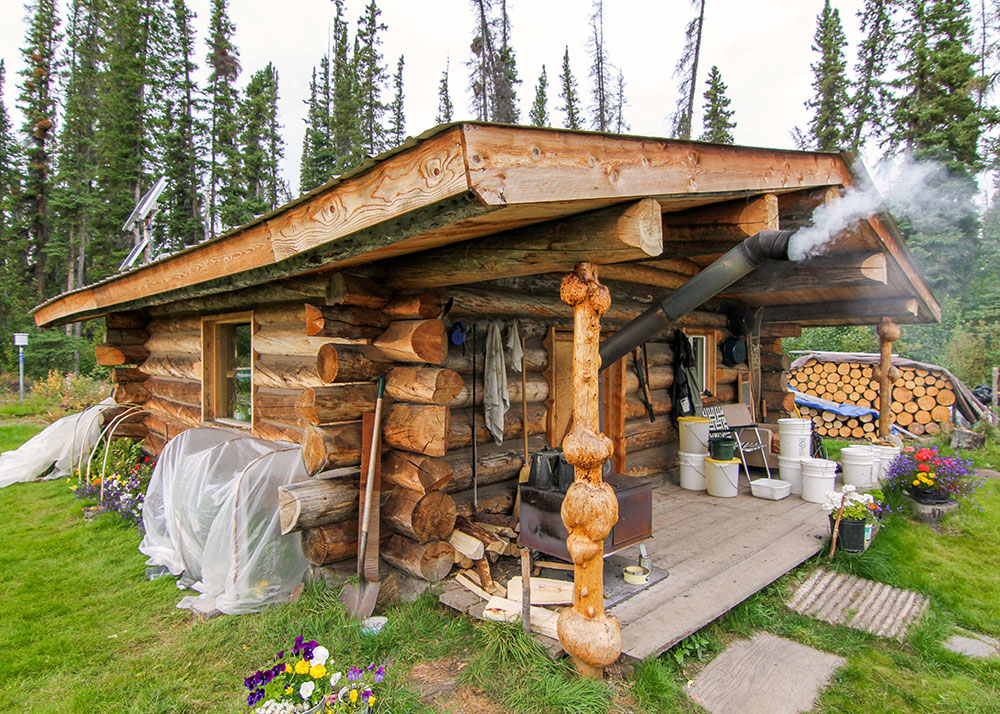
Growing your own vegetables, fruits, and raising livestock can dramatically lower your food-related emissions. Transporting food from distant farms to supermarkets is a major source of greenhouse gases in conventional living. By producing food on-site and composting organic waste, off-grid homesteaders can cut down on both emissions and landfill waste.
For those interested in maximizing their impact, integrating permaculture principles and regenerative agriculture can further reduce your environmental load. You can learn more about these approaches in our guide to sustainable off-grid living.
Water Sourcing and Management
Off-grid homes often rely on wells, rainwater harvesting, or nearby streams. These methods typically require less energy than municipal water systems, especially when combined with gravity-fed plumbing and manual filtration. However, water pumps and purification systems can add to your energy demand, so choosing efficient equipment is important.
Waste Handling and Recycling
Managing waste on-site is a core part of reducing emissions. Composting toilets, greywater systems, and recycling programs all help minimize landfill contributions and methane production. By closing the loop on waste, off-grid households can significantly shrink their ecological impact.
Reducing Your Carbon Footprint When Living Off the Grid
Whether you’re new to off-grid living or looking to improve your current setup, there are practical steps you can take to further lower your emissions:
- Invest in renewable energy systems sized for your needs.
- Use high-efficiency appliances and insulate your home well.
- Grow as much of your own food as possible and compost all organic waste.
- Choose local, natural building materials with low embodied carbon.
- Minimize vehicle use by planning trips and carpooling when possible.
- Implement water-saving technologies and reuse greywater for irrigation.
- Participate in or start a community recycling program.

Challenges and Trade-Offs in Lowering Emissions Off the Grid
While living independently offers many opportunities to reduce your environmental impact, it’s not without its challenges. Initial setup costs for renewable energy can be high, and remote locations may require more driving, which can offset some of your savings. Sourcing sustainable building materials can also be difficult depending on your region.
It’s important to approach these challenges with realistic expectations and a willingness to adapt. Over time, small improvements in efficiency and sustainability can add up to a significant reduction in your carbon emissions.
Resources for Further Learning
For those looking to deepen their understanding or take actionable steps, there are many resources available. For practical advice on setting up your homestead, this comprehensive guide to starting an off-grid homestead is a helpful place to begin. If you’re concerned about the financial side, see our tips on financing an off-grid homestead or learn what to expect with taxes for off-grid properties.
Frequently Asked Questions
Does living off the grid always reduce your carbon footprint?
Not always. While off-grid setups can lower emissions, the actual impact depends on energy sources, transportation habits, and lifestyle choices. Using renewable energy and growing your own food are key to minimizing your ecological footprint.
What are the biggest sources of emissions for off-grid homes?
The largest contributors are typically backup generators (if used), transportation to and from remote sites, and the embodied carbon in building materials. Efficient design and renewable energy can help mitigate these factors.
How can I make my off-grid homestead more sustainable?
Focus on renewable energy, efficient appliances, local food production, and responsible waste management. Adopting sustainable off-grid living practices and learning from others’ experiences will help you continually improve your setup.