Setting up a self-sufficient lifestyle starts with one of the most important decisions you’ll make: buying land for off-grid homestead living. The right property will shape your daily routines, your costs, and your long-term success. Whether you’re seeking independence, sustainability, or simply a quieter life, understanding what to look for in rural property is crucial.
There are many factors to weigh, from legal restrictions to natural resources and accessibility. Before you commit, it’s wise to learn from others who have made the leap. For a detailed breakdown of expenses, you can explore the cost of off-grid homesteading to help you budget realistically.
What to Look for When Selecting Off-Grid Property
Choosing the right parcel is more than just finding a scenic spot. Here are the most important aspects to consider when searching for land suitable for off-grid homestead living:
- Access to Water: Reliable water is non-negotiable. Check for wells, springs, rivers, or the feasibility of rainwater harvesting. Water rights and quality should be verified before purchase.
- Soil Quality: Fertile soil is essential for gardening and raising livestock. Test the soil for contaminants and nutrients, especially if you plan to grow your own food.
- Sunlight and Wind Exposure: For solar or wind power, assess the property’s exposure. South-facing slopes are ideal for solar, while open areas are better for wind turbines.
- Accessibility: Year-round access is vital. Remote locations may become unreachable in winter or after heavy rains. Consider road maintenance and distance to emergency services.
- Zoning and Legal Restrictions: Confirm that local regulations allow for off-grid living, alternative building methods, and livestock. Some areas have strict codes or require permits for wells and septic systems.
- Natural Hazards: Research risks such as flooding, wildfires, or landslides. Review local history and consult maps or neighbors for insights.
For those working with a limited budget, off-grid living on a budget offers practical tips for making the most of your resources.
Evaluating Utilities and Resource Independence
One of the defining features of an off-grid lifestyle is generating your own power and managing waste. As you evaluate land, consider these resource-related factors:
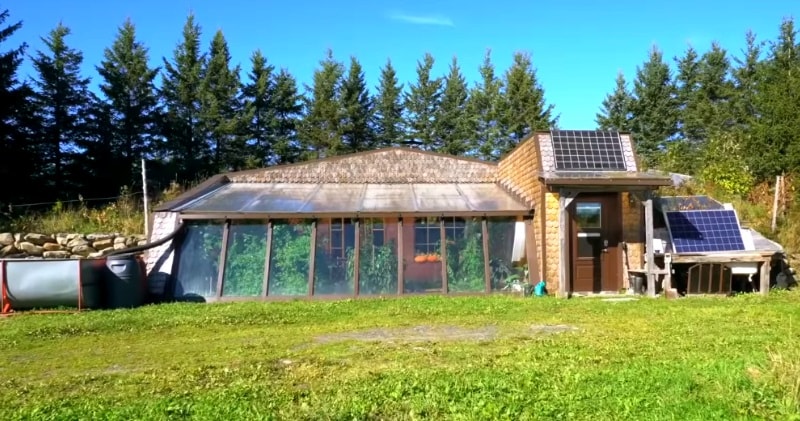
- Power Generation: Assess the feasibility of solar, wind, or micro-hydro systems. Check for clearings for solar panels and steady wind patterns for turbines.
- Waste Management: Determine if composting toilets, septic systems, or greywater recycling are allowed and practical on the property.
- Heating and Cooling: Look for access to firewood or passive solar opportunities. Natural shade and insulation can reduce energy needs.
- Internet and Communication: Remote locations may have limited connectivity. Research satellite, cellular, or radio options if you need to stay connected.
Budgeting and Financial Considerations for Homestead Land
Understanding the true costs of rural property is essential for anyone considering buying land for off-grid homestead purposes. Beyond the purchase price, factor in these expenses:
- Land Improvements: Clearing, grading, and building access roads can add up quickly.
- Permits and Fees: Some counties require permits for wells, septic systems, or alternative energy setups.
- Infrastructure: Budget for fencing, storage, and initial shelter—even if you plan to build gradually.
- Ongoing Maintenance: Rural properties may need regular upkeep, such as road repairs or equipment servicing.
For a realistic look at the expenses involved, see the cost of off-grid homesteading guide. Planning ahead helps avoid surprises and ensures your project stays on track.
Legal and Zoning Issues When Going Off-Grid
Legal restrictions can make or break your plans for a self-reliant lifestyle. Before purchasing, take these steps:
- Contact the local county or township office to confirm zoning regulations.
- Ask about building codes, minimum dwelling sizes, and restrictions on alternative structures like tiny homes or earthships.
- Check for covenants or HOA rules that may limit your options for livestock, fencing, or renewable energy systems.
- Investigate water rights and whether you can drill a well or use surface water.
If you’re new to these topics, the beginner’s roadmap to starting a frugal off-grid homestead covers the basics and offers practical advice for first-time buyers.
Planning for Safety, Security, and Emergency Preparedness
Living far from city infrastructure means you’ll need to be proactive about safety and preparedness. Here’s what to consider:
- Emergency Access: Make sure emergency vehicles can reach your property year-round.
- Fire Safety: Clear brush and create defensible space around buildings. Store water for firefighting if needed.
- Medical Preparedness: Keep a well-stocked first aid kit and learn basic survival skills for homesteaders. Know the location of the nearest hospital or clinic.
- Security: Fencing, gates, and lighting can deter trespassers and protect livestock.
For more on preparing for unexpected situations, see the off-grid emergency preparedness guide.
Building Community and Finding Support
While self-reliance is a core value for many homesteaders, having a network can make your journey easier. Consider these tips:
- Connect with neighbors and local farmers for advice and resource sharing.
- Join online forums or local groups focused on off-grid living and homesteading.
- Attend workshops or events to learn new skills and meet like-minded people.
- Stay informed about local issues and participate in community planning when possible.
Building relationships can provide valuable support, especially during the early stages of your project.
Frequently Asked Questions
What is the minimum acreage needed for an off-grid homestead?
The ideal size depends on your goals, family size, and intended activities. Many find that 5–20 acres is sufficient for a small family, allowing space for gardening, livestock, and privacy. However, even smaller parcels can work if you focus on intensive gardening and efficient land use.
Can you finance land for off-grid living?
Financing rural land can be challenging, as many banks require utilities and road access. Some buyers use owner financing or personal loans. It’s important to have a clear plan and budget before approaching lenders.
What are the most common mistakes when buying rural property?
Common pitfalls include underestimating infrastructure costs, overlooking legal restrictions, and failing to secure a reliable water source. Always research thoroughly and consult local experts before making a purchase.
Conclusion
Finding the right property for a self-sufficient lifestyle takes time and careful research. By focusing on water, soil, legal issues, and access, you’ll set yourself up for long-term success. For more practical advice and tips on maintaining your systems, check out our guide on repairing off-grid systems as your homestead grows.