Urban gardeners and homesteaders with limited room often seek ways to maximize plant health without taking up precious space. Small-space compost tea offers a practical, efficient solution for nourishing container gardens, raised beds, and compact plots. This liquid fertilizer harnesses the power of compost in a form that’s easy to apply, even in tight quarters. By brewing compost tea, you can deliver a concentrated dose of beneficial microbes and nutrients directly to your plants’ roots and leaves, promoting robust growth and resilience.
Whether you’re growing herbs on a balcony, vegetables in a small backyard, or ornamentals in pots, compost tea can help you achieve thriving results without bulky bins or complicated systems. In this article, you’ll learn how this approach works, its key advantages, and step-by-step instructions for making your own batch at home.
For those interested in expanding their homesteading skills, you might also find value in the modern homesteading herbal garden ideas guide, which covers creative ways to grow medicinal and culinary plants in compact spaces.
Why Use Compost Tea in Limited Spaces?
When gardening in small areas, every inch counts. Traditional compost piles can be impractical for apartment dwellers or those with minimal outdoor space. That’s where compost tea for small gardens comes in. This liquid extract provides many of the same benefits as finished compost but in a form that’s easy to store, transport, and apply.
- Efficient nutrient delivery: Compost tea quickly supplies essential minerals and trace elements to plant roots and foliage, supporting healthy growth even in shallow containers.
- Microbial boost: The brewing process cultivates beneficial bacteria and fungi that help suppress disease, break down organic matter, and improve soil structure—crucial for compacted or depleted soils.
- Space-saving: Brewing a small batch requires only a bucket or jug, making it ideal for balconies, patios, or windowsills.
- Cost-effective: Homemade compost tea reduces reliance on store-bought fertilizers, saving money and minimizing chemical use.
Key Benefits of Small-Batch Compost Tea
Using small-space compost tea regularly can transform the health of your container plants and raised beds. Here are some of the main advantages:
- Improved Plant Health: The living microbes in compost tea help plants absorb nutrients more efficiently, resulting in stronger stems, greener leaves, and more abundant blooms or harvests.
- Natural Disease Suppression: Spraying compost tea on leaves can outcompete harmful pathogens, reducing the risk of fungal diseases like powdery mildew and blight.
- Enhanced Soil Life: Even in small pots, adding compost tea encourages a thriving soil food web, which is essential for long-term fertility and plant resilience.
- Eco-Friendly Gardening: By recycling kitchen scraps and plant trimmings into compost tea, you’re closing the nutrient loop and reducing waste.

How to Brew Compost Tea for Compact Gardens
Making your own compost tea doesn’t require fancy equipment. Here’s a straightforward method tailored for those with limited space:
What You’ll Need
- 1–2 cups of finished compost (from a worm bin, bokashi bucket, or small compost pile)
- 1–2 gallons of non-chlorinated water (let tap water sit overnight to dissipate chlorine)
- A clean 2–3 gallon bucket or large container
- A stick or spoon for stirring
- Optional: a small aquarium air pump and air stone for aeration
- Fine mesh bag or old T-shirt (for straining)
Step-by-Step Instructions
- Fill the container: Add water to your bucket. If using tap water, let it sit for 12–24 hours to allow chlorine to evaporate.
- Add compost: Place the compost in the mesh bag, tie it off, and submerge it in the water. If you don’t have a bag, simply stir the compost directly into the water.
- Optional aeration: For best results, use an air pump to bubble air through the mixture. This encourages aerobic microbes, which are most beneficial for plants.
- Steep and stir: Let the mixture brew for 24–48 hours, stirring occasionally if not using an air pump. The liquid should develop a rich, earthy smell.
- Strain and use: Remove the compost bag or strain the mixture through a cloth to prevent clogging your watering can or sprayer.
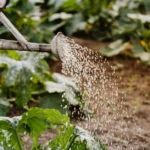
Use the finished tea within a few hours for maximum microbial activity. Apply it directly to soil or as a foliar spray on leaves.

Tips for Success with Liquid Compost in Small Areas
- Use quality compost: The best results come from mature, earthy-smelling compost free of weed seeds or pathogens.
- Apply regularly: For ongoing benefits, use compost tea every 2–4 weeks during the growing season.
- Don’t overdo it: While compost tea is gentle, too much can lead to soggy soil or nutrient imbalances in small containers.
- Store properly: If you must store the tea, keep it cool and use within 24 hours to preserve microbial life.
- Combine with other practices: Pair compost tea with mulching, crop rotation, and organic amendments for best results in compact gardens.
For more inspiration on maximizing small homestead spaces, check out this introduction to modern homesteading podcast, which covers a range of sustainable practices for every scale.
Frequently Asked Questions
Can I use compost tea on houseplants or indoor gardens?
Absolutely. Small-space compost tea is safe and effective for indoor plants. Apply it to the soil or as a gentle foliar spray, but avoid overwatering—especially in pots without drainage.
How often should I apply compost tea to container plants?
Every two to four weeks during active growth is ideal. Monitor your plants’ response and adjust as needed; some may benefit from more frequent applications, while others thrive with less.
Is aerated compost tea better than non-aerated versions?
Aerating the brew with a pump increases beneficial microbes and reduces the risk of harmful bacteria. However, even a simple, non-aerated batch can provide nutrients and some microbial benefits for small gardens.
What if I don’t have access to finished compost?
You can use vermicompost (from a worm bin) or well-aged bokashi compost. Avoid using fresh manure or unfinished compost, as these can introduce pathogens or burn plant roots.
For more practical advice on homesteading and gardening, explore resources like the modern homesteading fencing guide to enhance your outdoor space, or browse other articles on sustainable living.