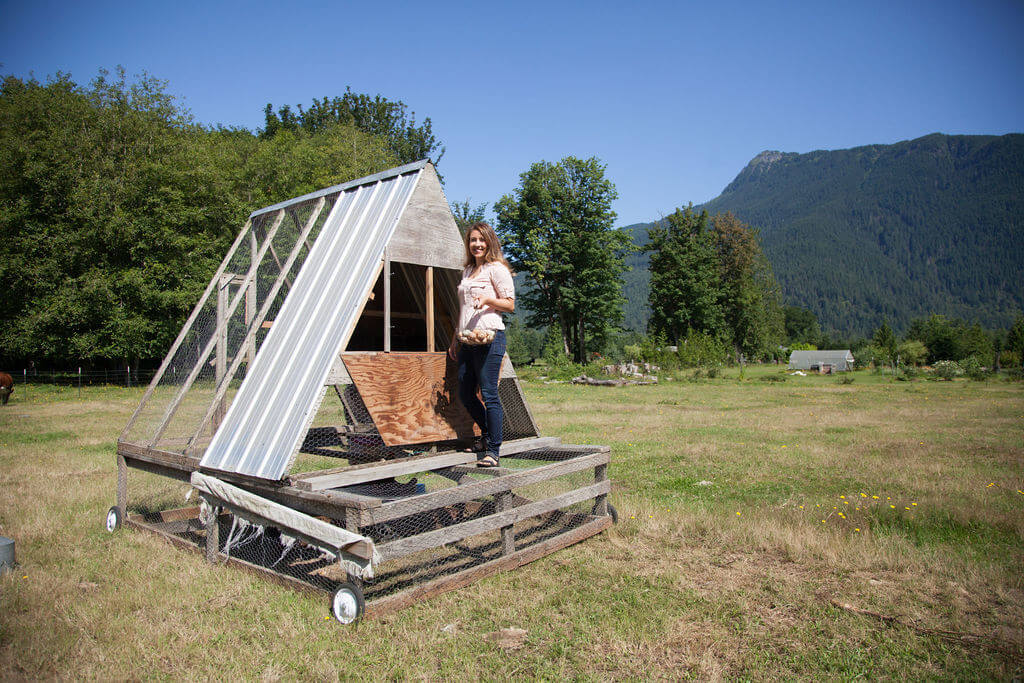
Embracing a homesteading lifestyle today means more than just growing your own food or raising backyard chickens. It’s about making intentional choices that minimize waste, conserve resources, and create a more sustainable household. Whether you live on a few acres or in a suburban neighborhood, applying modern homesteading waste reduction tips can help you cut down on landfill contributions, save money, and live more lightly on the earth.
This guide explores practical strategies for reducing waste at home, from composting and upcycling to smart food storage and mindful purchasing. If you’re interested in integrating eco-friendly practices into your daily routine, these ideas will help you get started or take your efforts to the next level.
For those looking to deepen their understanding of sustainable living, exploring modern homesteading permaculture principles can provide a solid foundation for waste reduction and resource management.
Why Reducing Waste Matters in Modern Homesteading
The homesteading movement has always valued self-sufficiency, but today’s approach places a stronger emphasis on environmental stewardship. By focusing on waste reduction, you not only decrease your ecological footprint but also create a healthier, more efficient home. Less waste means fewer trips to the landfill, lower household expenses, and a greater sense of accomplishment as you see the tangible results of your efforts.
Waste reduction also aligns with the core values of modern homesteaders: resourcefulness, resilience, and respect for the land. These principles guide decisions about what to buy, how to use resources, and how to dispose of items responsibly.
Composting: Turning Kitchen Scraps Into Garden Gold
One of the most effective ways to minimize household waste is by composting. Instead of sending food scraps and yard trimmings to the landfill, you can transform them into nutrient-rich soil for your garden. Composting not only diverts organic material from the waste stream but also improves soil health and reduces the need for chemical fertilizers.
- Start a simple backyard compost pile or use a compost bin for smaller spaces.
- Add fruit and vegetable peels, coffee grounds, eggshells, and yard waste.
- Avoid adding meat, dairy, or oily foods to prevent odors and pests.
- Turn the pile regularly to speed up decomposition and aerate the material.

If you’re new to composting, consider starting small with a countertop container for daily scraps and gradually expand as you become more comfortable with the process.
Smart Food Storage and Preservation
Food waste is a significant issue in many households. By adopting better storage and preservation techniques, you can extend the life of your produce and reduce the amount of spoiled food you throw away. Here are some practical ideas:
- Store fruits and vegetables in breathable containers or reusable produce bags.
- Label leftovers with dates and use them promptly.
- Preserve seasonal harvests by canning, freezing, dehydrating, or fermenting.
- Plan meals around what you already have to minimize excess purchases.
Learning how to preserve your own food not only cuts down on waste but also provides a sense of security and satisfaction, especially during the off-season.
Upcycling and Reusing Everyday Items
A key aspect of modern homesteading waste reduction tips is finding creative ways to give new life to items that might otherwise be discarded. Upcycling and reusing materials can save money and reduce your reliance on single-use products.
- Repurpose glass jars for food storage, seed saving, or homemade gifts.
- Turn old clothing or linens into cleaning rags, quilts, or garden ties.
- Use pallets or scrap wood for building garden beds, compost bins, or furniture.
- Repair and mend tools, clothing, and household items instead of replacing them.
These simple habits help foster a culture of resourcefulness and reduce the demand for new materials.
Reducing Packaging and Single-Use Plastics
Packaging waste, especially plastic, is a major contributor to landfill and environmental pollution. Homesteaders can make a significant impact by choosing products with minimal or compostable packaging and avoiding single-use plastics whenever possible.
- Shop in bulk and bring your own containers or bags.
- Choose products packaged in glass, metal, or paper over plastic.
- Make your own cleaning and personal care products to cut down on packaging waste.
- Use beeswax wraps, silicone lids, or cloth covers instead of plastic wrap.
Small changes in shopping and storage habits can add up to a noticeable reduction in household trash.
Water Conservation and Wastewater Management
Conserving water is another important part of waste reduction on the homestead. Simple strategies can help you use water more efficiently and reduce runoff or pollution.
- Install rain barrels to collect and reuse rainwater for gardens and livestock.
- Fix leaks promptly and use low-flow fixtures to reduce water usage.
- Recycle greywater from sinks or showers for irrigation, where legal and safe.
- Mulch garden beds to retain moisture and reduce evaporation.
For more detailed guidance, check out the modern homesteading rainwater harvesting guide for step-by-step instructions on collecting and using rainwater effectively.

Mindful Purchasing and Minimalism
Thoughtful purchasing decisions are at the heart of waste reduction. By buying less and choosing higher-quality, longer-lasting items, you can prevent waste before it starts.
- Opt for durable goods that can be repaired instead of disposable alternatives.
- Support local producers and artisans to reduce transportation-related waste.
- Borrow, rent, or share tools and equipment with neighbors when possible.
- Evaluate needs versus wants before making new purchases.
This approach not only reduces clutter and waste but also supports a more intentional, fulfilling lifestyle.
Learning from the Homesteading Community
The journey toward a low-waste homestead is ongoing, and there’s always something new to learn. Connecting with other homesteaders, either locally or online, can provide fresh ideas and encouragement. For a deeper dive into the philosophy and practicalities of this lifestyle, the article what is modern homesteading and how to get started offers valuable insights for beginners and experienced practitioners alike.
Frequently Asked Questions
What are the easiest ways to start reducing waste at home?
Begin by composting food scraps, switching to reusable shopping bags, and avoiding single-use plastics. Small changes, such as meal planning and buying in bulk, can quickly add up to significant waste reduction.
How can I reduce food waste in a homesteading household?
Store produce properly, preserve excess harvests through canning or freezing, and use leftovers creatively. Regularly inventory your pantry and fridge to use items before they spoil.
Is composting possible in small spaces or apartments?
Yes, composting can be adapted for small spaces using worm bins, bokashi systems, or compact composters designed for indoor use. These methods are odor-free and efficient for limited areas.
By incorporating these modern homesteading waste reduction tips into your daily routine, you can make a meaningful difference for your household and the environment. Every step toward less waste is a step toward a more sustainable, resilient future.