Growing fruit trees and berries doesn’t require a large backyard or sprawling land. With the right approach, you can cultivate a productive orchard even in the smallest spaces—on patios, balconies, or compact urban gardens. This guide will walk you through how to start a container orchard, covering everything from choosing the right containers and fruit varieties to essential care tips for healthy, abundant harvests.
Whether you’re a beginner or an experienced gardener looking to maximize your yield in a limited area, container orcharding offers flexibility, control, and surprising productivity. Before diving into the practical steps, it’s helpful to explore techniques for optimizing small plots. For more insights on maximizing yields in compact gardens, check out this comprehensive guide to homesteading on a small property.
If you’re also interested in pest control or companion planting, consider reading about how to manage pests in small gardens for natural solutions that work well in container settings.
Choosing the Best Fruit Trees and Berry Plants for Containers
Selecting the right varieties is the foundation of a successful small-space orchard. Not all fruit trees or berry bushes thrive in pots, so focus on compact, dwarf, or patio cultivars bred specifically for container growth. These plants have smaller root systems and often produce fruit earlier than their full-sized counterparts.
- Dwarf fruit trees: Apples, pears, peaches, plums, and cherries are available in dwarf or mini forms. Look for varieties labeled “patio,” “dwarf,” or “miniature.”
- Citrus: Lemons, limes, and kumquats adapt well to pots and can be overwintered indoors in colder climates.
- Berries: Strawberries, blueberries, raspberries, and blackberries can all be grown in containers. Choose self-pollinating or compact varieties for best results.
- Figs and olives: These Mediterranean favorites do well in large pots and can be moved indoors if needed.
For more on growing specific fruits in tight quarters, see our guide on how to grow berries in small spaces.
Essential Containers and Soil Mixes for Your Mini Orchard
The choice of container is crucial for healthy root development and overall plant vigor. When learning how to start a container orchard, prioritize size, drainage, and material:
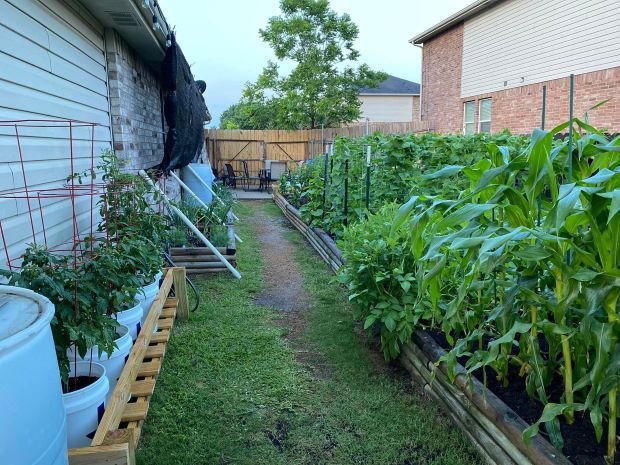
- Size: For fruit trees, use pots at least 15–20 gallons (18–24 inches diameter). Berry bushes and strawberries can thrive in 5–10 gallon containers.
- Material: Terracotta, ceramic, plastic, wood, and fabric grow bags all work. Fabric bags offer superior drainage and root aeration.
- Drainage: Ensure each container has several holes at the bottom. Elevate pots slightly to prevent waterlogging.
Use a high-quality potting mix rich in organic matter. Avoid garden soil, which compacts and drains poorly in pots. Mix in compost and slow-release fertilizer for a nutrient boost. For citrus and blueberries, consider a slightly acidic mix.
Planting and Arranging Your Potted Fruit Trees
Once you’ve selected your plants and containers, it’s time to plant and arrange your orchard. Here’s how to ensure your trees and berries get the best start:
- Fill containers with moistened potting mix, leaving a few inches at the top.
- Position the plant so the root ball sits at the same depth as it was in the nursery pot.
- Backfill with soil, firming gently to remove air pockets.
- Water thoroughly until water drains from the bottom.
- Mulch the surface with bark, straw, or compost to retain moisture and suppress weeds.
Arrange containers to maximize sunlight—most fruiting plants need at least 6–8 hours of direct sun daily. Place taller trees at the back or sides, with berries and smaller plants in front. If space is tight, consider vertical arrangements or tiered plant stands.
Ongoing Care: Watering, Feeding, and Pruning
Container orchards require regular attention to thrive. Here’s how to keep your potted fruit trees healthy and productive:
- Watering: Containers dry out faster than garden beds. Check soil moisture daily, especially in hot weather. Water deeply when the top inch feels dry.
- Feeding: Use a balanced, slow-release fertilizer in spring and supplement with liquid feed during the growing season. Citrus and berries may need extra nutrients.
- Pruning: Regular pruning keeps trees compact and productive. Remove dead, damaged, or crossing branches. For more on shaping fruit trees in tight spaces, see our small-space fruit tree pruning tips.
- Pest and disease control: Monitor for signs of pests or disease. Hand-pick pests, use organic sprays, or introduce beneficial insects as needed.
For tomatoes, peppers, and other edibles that pair well with fruit trees, explore our guides on how to grow tomatoes in small spaces and small-space peppers and chili gardening.
Maximizing Space and Yield in Small Container Orchards
Making the most of limited space is key when establishing a compact orchard. Here are some practical strategies:
- Espalier and columnar trees: Train trees to grow flat against a wall or choose naturally upright varieties to save space.
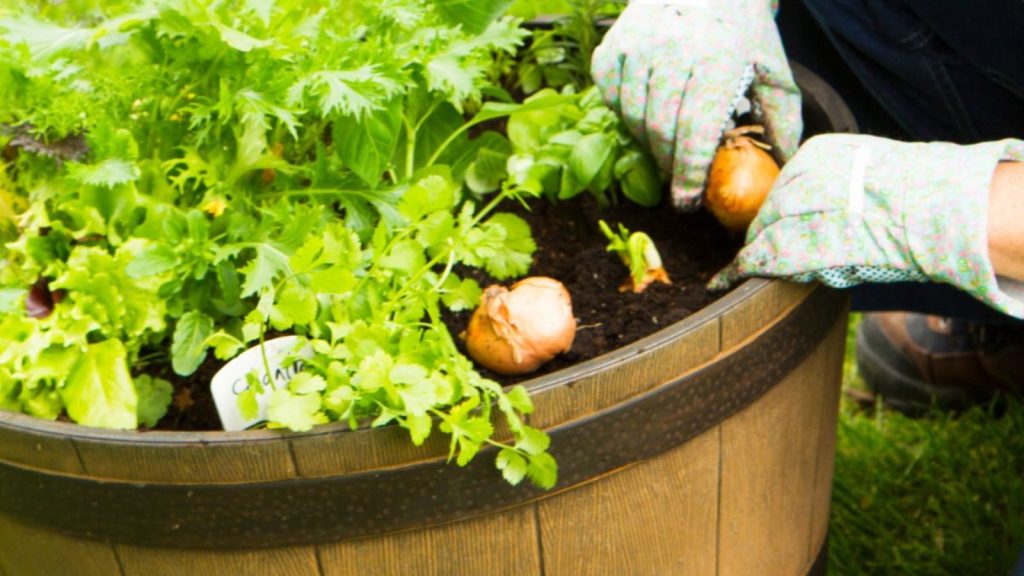
- Stacking and vertical gardening: Use shelves, racks, or hanging pots to add layers and increase planting area.
- Succession planting: Rotate fast-growing crops like strawberries with slower-growing trees to maximize productivity.
- Moveable containers: Take advantage of portable pots to chase the sun or shelter plants from harsh weather.
With thoughtful planning, even a balcony or small patio can provide a surprising amount of fresh fruit through the year.
Frequently Asked Questions
What are the best fruit trees for container growing in small spaces?
Dwarf and patio varieties of apples, pears, peaches, plums, cherries, and citrus are excellent choices. Blueberries, strawberries, and figs also adapt well to pots. Always check the mature size and rootstock to ensure suitability for containers.
How often should I water my potted fruit trees?
Watering frequency depends on the weather, container size, and plant type. Generally, check soil moisture daily in warm months and water when the top inch is dry. In cooler weather, reduce watering but avoid letting the soil dry out completely.
Can I grow a container orchard indoors?
Yes, many fruit trees and berries can be grown indoors if they receive enough light. Use LED grow lights to supplement sunlight, and choose compact varieties suited for indoor conditions. Citrus, figs, and strawberries are popular indoor options.
How do I prune fruit trees in containers?
Prune annually to maintain shape, remove dead or diseased wood, and encourage fruiting. Focus on keeping the canopy open for airflow and sunlight. For detailed techniques, see our article on small-space fruit tree pruning.
What type of fertilizer should I use for container fruit trees?
Use a balanced, slow-release fertilizer formulated for fruiting plants. Supplement with liquid feeds during the growing season, and adjust for specific needs like extra acidity for blueberries or magnesium for citrus.