Managing pests in compact gardens, balconies, or urban plots can be challenging, especially when you want to avoid harsh chemicals. Small-space natural pest control focuses on eco-friendly, effective solutions tailored for limited areas. Whether you’re growing vegetables in containers, tending herbs on a windowsill, or maintaining raised beds, understanding how to keep pests at bay naturally is essential for healthy, productive plants.
This guide covers practical, chemical-free strategies for preventing and addressing pest problems in tight gardening spaces. You’ll find actionable tips, recommended tools, and links to further resources, including advice on how to manage pests in small gardens and other small-space gardening topics.
Why Use Natural Pest Solutions in Compact Gardens?
In smaller growing areas, pest outbreaks can escalate quickly and cause significant damage. Chemical sprays may not be suitable due to proximity to living spaces, pets, or children. By focusing on natural pest management for small spaces, you protect your crops, the environment, and your health.
- Safety: Natural methods reduce exposure to toxins and residues.
- Pollinator-Friendly: Beneficial insects and pollinators are less likely to be harmed.
- Soil Health: Organic approaches help maintain healthy soil biology.
- Cost-Effective: Many solutions use household items or simple materials.
Prevention: The First Step in Small-Space Pest Management
Preventing infestations is always easier than treating them. Here are foundational steps for keeping pests away from your compact garden:
- Healthy Soil: Start with quality soil and compost. Healthy plants are more resilient to pests.
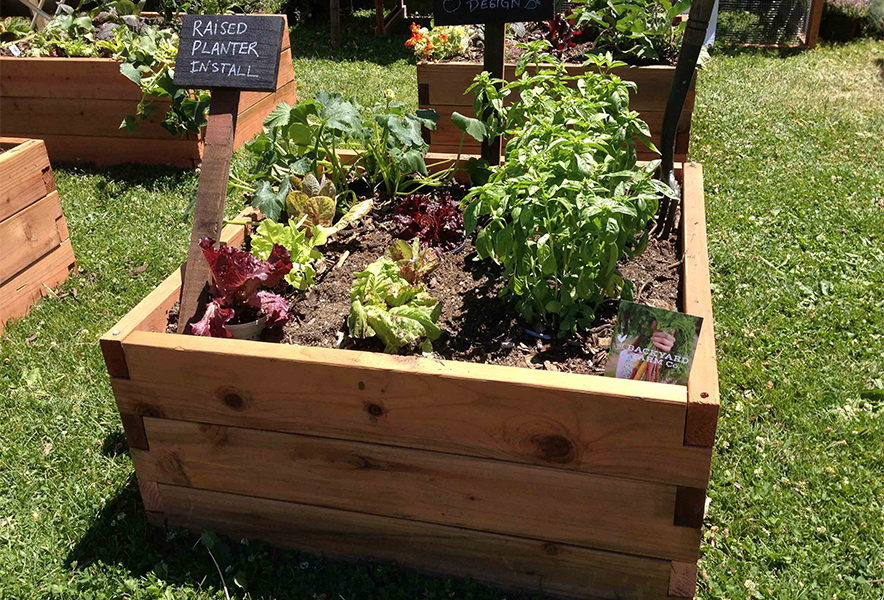
- Choose Resistant Varieties: Select plant types known for their pest resistance, especially if you’re growing in containers or raised beds.
- Proper Spacing: Even in small areas, avoid overcrowding. Good airflow discourages fungal diseases and pests.
- Regular Monitoring: Inspect plants often for early signs of damage or insects.
- Cleanliness: Remove dead leaves, weeds, and debris where pests can hide.
Physical Barriers and Manual Control for Tight Spaces
Physical methods are especially effective in small gardens where you can easily monitor and intervene. Here are some proven tactics:
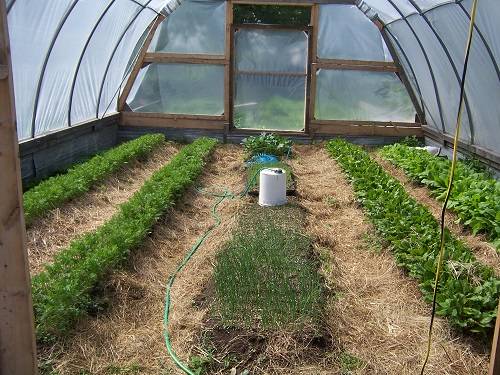
- Row Covers: Lightweight fabric barriers keep out flying insects like aphids and cabbage moths while letting sunlight and water through.
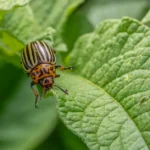
- Handpicking: For small plots, simply removing caterpillars or beetles by hand is practical and immediate.
- Sticky Traps: Yellow or blue sticky cards attract and capture flying pests such as whiteflies and fungus gnats.
- Collars and Mulches: Placing cardboard or plastic collars around stems deters cutworms and some crawling insects.
Natural Sprays and Remedies for Urban and Balcony Gardens
When prevention and barriers aren’t enough, homemade sprays can help control outbreaks. Always test any spray on a small section of the plant first.
- Soap Spray: Mix 1–2 teaspoons of mild liquid soap in a quart of water. Spray directly on soft-bodied insects like aphids and spider mites.
- Neem Oil: Derived from the neem tree, this oil disrupts pests’ life cycles and is safe for most beneficial insects when used as directed.
- Garlic or Chili Spray: Blend garlic or hot peppers with water, strain, and spray to deter chewing insects.
- Diatomaceous Earth: Sprinkle this natural powder around plant bases to deter slugs and crawling insects. Use food-grade only.
Encouraging Beneficial Insects in Limited Spaces
Not all bugs are bad. In fact, many insects help keep pest populations in check. Attracting these allies is a key part of natural pest control for small gardens:
- Lacewings and Ladybugs: These insects feed on aphids and other pests. Planting dill, fennel, or yarrow can attract them.
- Parasitic Wasps: Tiny wasps lay eggs in or on pest insects, controlling populations naturally.
- Pollinator Habitats: Even a small pot of flowers can support bees and butterflies, which help your crops thrive.
For more on cultivating productive crops in compact environments, see this small-space peppers and chili gardening guide.
Companion Planting and Crop Rotation in Small Gardens
Strategic planting can confuse or repel pests. Even in a single raised bed or a few containers, these methods are effective:
- Companion Planting: Grow pest-repelling plants like marigolds, basil, or chives alongside vegetables. For example, basil can deter thrips and flies from tomatoes.
- Crop Rotation: Change what you plant in each spot every season, even if it’s just swapping containers. This disrupts pest life cycles and reduces soil-borne diseases.
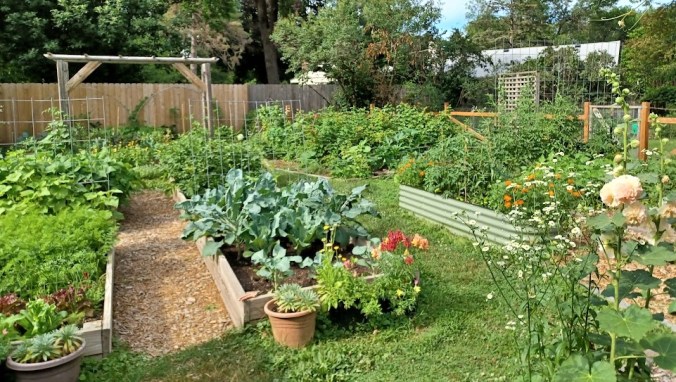
Tips for Container and Indoor Garden Pest Prevention
For those growing on balconies, patios, or indoors, pest control requires a few extra considerations:
- Inspect New Plants: Always check for hitchhiking insects before bringing plants home.
- Quarantine: Isolate new or sick plants for a week to prevent spreading pests.
- Clean Pots and Tools: Wash containers and tools between uses to avoid cross-contamination.
- Avoid Overwatering: Damp soil encourages fungus gnats and root rot.
- Use Quality Potting Mix: Start with sterile, pest-free soil for indoor containers.
For more inspiration on maximizing yields in limited areas, explore these tips on how to grow tomatoes in small spaces and how to grow berries in small spaces.
Resources for Urban Homesteaders and Small-Space Growers
If you’re interested in expanding your sustainable gardening skills, there are many resources available. For a broader look at making the most of your space, see this guide to starting homesteading in a small space. You’ll find advice on container gardening, composting, and more.
For fruit tree care in compact yards, check out these small-space fruit tree pruning tips to keep your trees healthy and productive.
Frequently Asked Questions
What are the most effective natural pest control methods for small gardens?
The most effective strategies include using physical barriers like row covers, regular handpicking of pests, introducing beneficial insects, and applying homemade sprays such as soap or neem oil. Combining these approaches with good garden hygiene and proper plant spacing helps prevent most common pest problems.
Can I use natural pest control indoors or on balconies?
Yes, most organic methods are safe for indoor or balcony gardens. Focus on prevention by inspecting new plants, using sterile potting mix, and maintaining cleanliness. For outbreaks, use mild soap sprays or sticky traps, and avoid overwatering to reduce fungus gnats.
How do I attract beneficial insects to a small garden?
Planting herbs and flowers like dill, yarrow, or marigolds can attract ladybugs, lacewings, and pollinators. Even a few pots of nectar-rich plants can support beneficial insects in small spaces, helping to keep pest populations in check naturally.