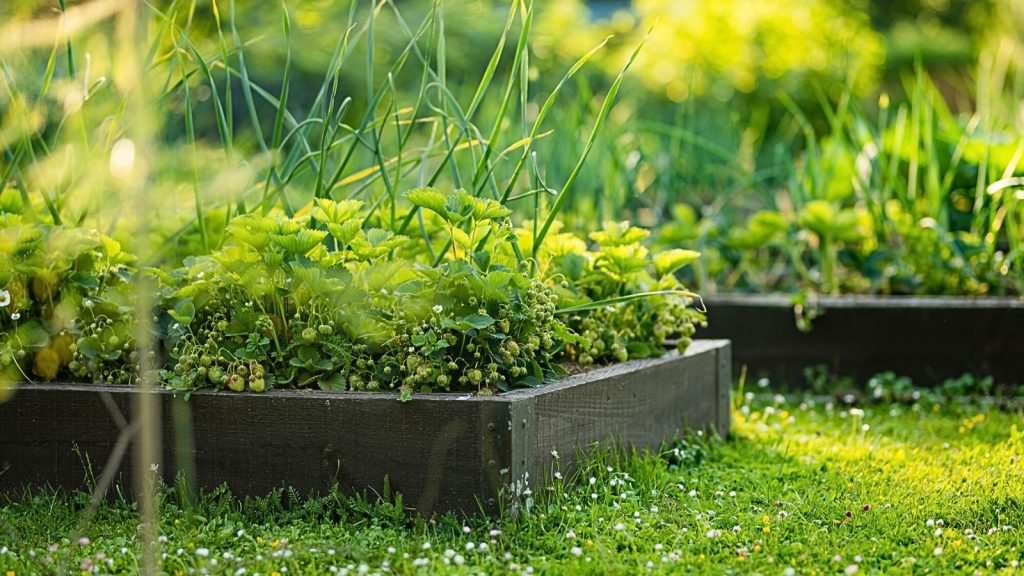
Practicing crop rotation is one of the most effective ways to maintain healthy soil and maximize yields, even in compact garden spaces. By changing the location of plant families each season, you help prevent the buildup of pests and diseases, improve soil fertility, and make the most of your available space. For gardeners working with limited beds or containers, understanding how to rotate crops in small gardens can make a significant difference in productivity and sustainability.
Whether you’re growing vegetables in raised beds, containers, or a tiny backyard plot, crop rotation is a practical technique that supports long-term success. In this guide, you’ll find step-by-step strategies, practical tips, and answers to common questions about rotating crops in small-scale settings.
If you’re also interested in natural pest management, check out our detailed advice on how to manage pests in small gardens for more ways to keep your garden thriving.
Why Crop Rotation Matters in Limited Spaces
Crop rotation has long been a cornerstone of sustainable gardening. In small gardens, the benefits are especially important because the same soil is often used intensively, making it more prone to nutrient depletion and pest buildup. By rotating plant families, you:
- Disrupt pest and disease cycles that target specific crops
- Balance soil nutrients by alternating heavy feeders with legumes or light feeders
- Reduce weed pressure by varying root structures and canopy coverage
- Improve soil structure through different root systems
Even if your garden is just a few raised beds or a collection of containers, applying these principles helps maintain a healthy growing environment year after year.
Understanding Plant Families for Rotation
The foundation of successful rotation is grouping crops by their botanical families. Plants in the same family often share similar nutrient needs and are susceptible to the same pests and diseases. Here are some common vegetable families you’ll encounter:
| Plant Family | Examples |
|---|---|
| Nightshades (Solanaceae) | Tomatoes, peppers, eggplants, potatoes |
| Brassicas (Cruciferae) | Cabbage, broccoli, kale, cauliflower |
| Legumes (Fabaceae) | Beans, peas, lentils |
| Alliums | Onions, garlic, leeks |
| Cucurbits | Cucumbers, squash, melons, pumpkins |
| Root Crops | Carrots, beets, radishes, turnips |
| Leafy Greens | Lettuce, spinach, Swiss chard |
When planning your rotation, aim to avoid planting crops from the same family in the same spot two years in a row.
Planning a Rotation Schedule for Small Plots
Creating a rotation plan in a limited space may seem challenging, but even two or three beds or containers can be rotated effectively. Here’s a simple approach:
- Map your garden: Draw a quick sketch of your beds or containers and note what you grew in each last season.
- Group by family: Identify the plant family for each crop.
- Rotate each year: Move each group to a new location the following season, avoiding repeats in the same spot.
- Include soil builders: Plant legumes (beans, peas) after heavy feeders to replenish nitrogen.
- Keep records: Jot down what you plant each year to make planning easier next season.
If you’re growing tomatoes in containers or small beds, you might find our guide to growing tomatoes in small spaces helpful for maximizing your harvest.
Adapting Crop Rotation for Containers and Raised Beds
Many small-space gardeners use containers, grow bags, or raised beds. While the principles of rotation are the same, there are a few special considerations:
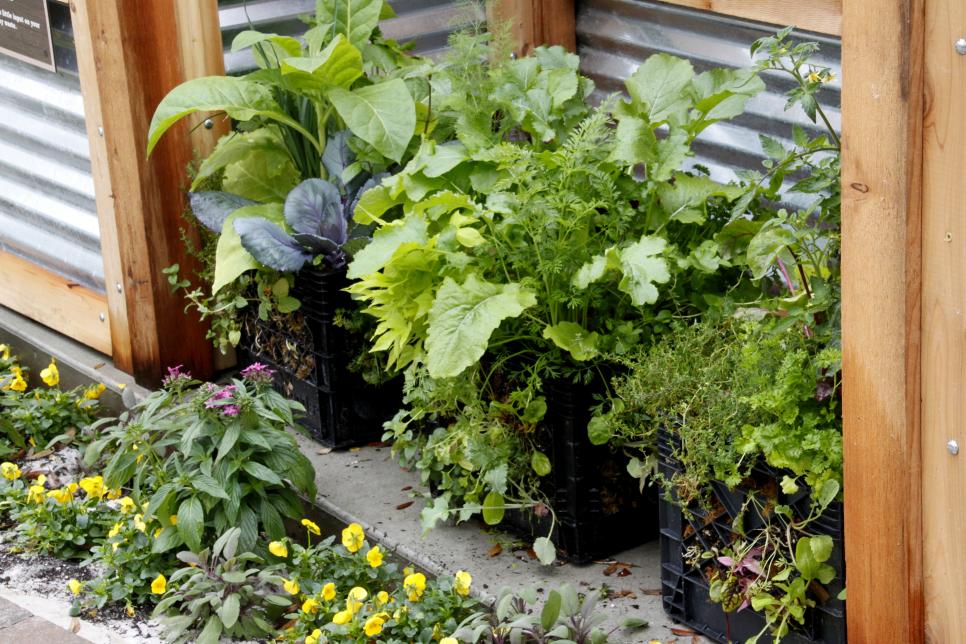
- Containers: If you only have a few pots, change the soil or thoroughly amend it each year, and avoid growing the same crop family in the same container two years in a row.
- Grow bags: These are easy to move, so you can physically change the location of crops each season.
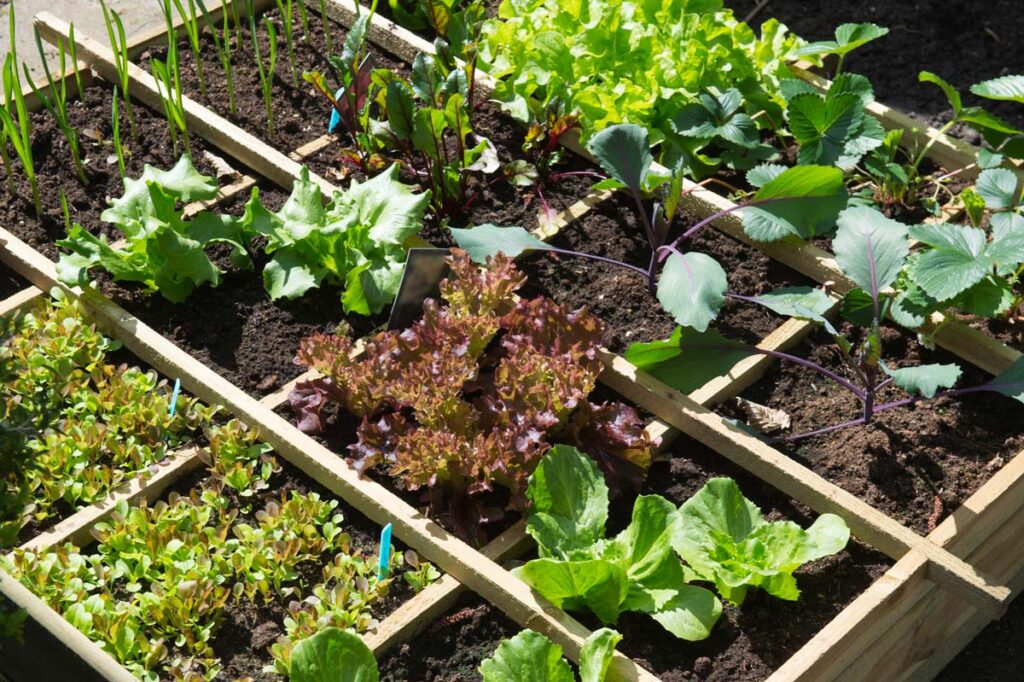
- Raised beds: Divide beds into sections for different families and rotate them annually.
- Soil refresh: Add compost or organic matter each season to replenish nutrients, especially in intensively used beds.
Simple Rotation Examples for Small Gardens
Here are a few rotation patterns that work well for gardeners with limited space:
Three-Bed Rotation
- Bed 1: Nightshades (tomatoes, peppers)
- Bed 2: Brassicas (cabbage, broccoli)
- Bed 3: Legumes (beans, peas)
Each year, shift each group to the next bed. In year two, nightshades move to bed 2, brassicas to bed 3, and legumes to bed 1.
Two-Bed or Container Rotation
- Year 1: Grow heavy feeders (tomatoes, squash) in one bed, and legumes in the other.
- Year 2: Swap the crops between beds or containers.
If you’re growing peppers or chilies, our small-space peppers and chili gardening guide offers more targeted advice for rotation and care.
Tips for Success with Crop Rotation in Compact Spaces
- Keep it simple: Don’t worry if you can’t follow a perfect rotation—just avoid growing the same family in the same spot two years in a row.
- Use cover crops: In the off-season, plant cover crops like clover or vetch to improve soil health.
- Amend soil regularly: Add compost and organic matter every season to maintain fertility.
- Mix crops: Interplanting different families can help confuse pests and make the most of your space.
- Record keeping: Maintain a simple notebook or digital log of what you plant each year.
For more on sustainable living and self-sufficient gardening, explore the concept of homesteading and its history.
Frequently Asked Questions
How many years should I wait before planting the same crop in the same spot?
Ideally, wait at least two to three years before returning the same plant family to the same bed or container. This helps break pest and disease cycles and gives the soil time to recover.
Can I practice crop rotation if I only have one raised bed?
Yes, you can still rotate crops by dividing your bed into sections and moving plant families each season. Alternatively, refresh the soil and avoid growing the same family in the same spot consecutively.
What if I grow mostly root crops or leafy greens?
Rotate these crops with legumes or other families to balance nutrient use. For example, follow carrots with beans, then leafy greens, then root crops again.
Do I need to rotate fruit trees or perennial berries?
Perennial plants like fruit trees and berries don’t require annual rotation, but you can rotate annual crops planted beneath or around them. For more on this, see our small-space fruit tree pruning tips and how to grow berries in small spaces.
Is crop rotation necessary if I use fresh potting soil each year?
While new soil reduces some risks, rotation is still beneficial to prevent nutrient imbalances and minimize pest problems, especially if you reuse soil or grow intensively.