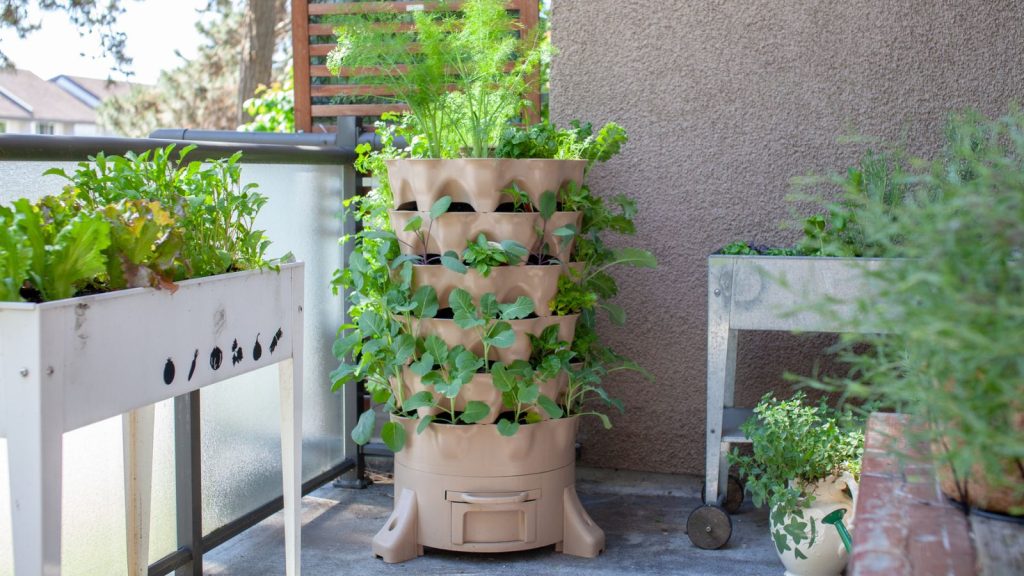
Efficient gardening in compact areas requires thoughtful planning and a clear understanding of how to maximize every inch of available space. Small-space planting schedules are essential for anyone looking to grow more food or flowers in limited environments, whether you have a balcony, patio, or a tiny backyard. By following a well-structured plan, you can enjoy continuous harvests, reduce wasted effort, and make the most of your growing season.
In this guide, you’ll learn how to create a practical timeline for planting, discover the best crops for tight quarters, and find tips for rotating and succession planting. Whether you’re a new gardener or looking to refine your approach, these strategies will help you achieve better yields and a more enjoyable gardening experience.
For those interested in specific crops, you might find it helpful to explore guides like how to grow tomatoes in small spaces or learn about small-space peppers and chili gardening. These resources offer crop-specific advice that complements the scheduling strategies discussed here.
Why Scheduling Matters in Compact Gardens
When working with limited square footage, timing is everything. A well-organized planting calendar ensures that every container, bed, or grow bag is used to its full potential throughout the year. By mapping out what to plant and when, you can:
- Maximize harvests by staggering crops and using succession planting.
- Reduce downtime between harvests, keeping soil productive.
- Prevent overcrowding and competition for light, water, and nutrients.
- Make it easier to rotate crops, which helps manage pests and soil health.
For those dealing with pest issues, consider reading about how to manage pests in small gardens for natural solutions that work well in compact environments.
Key Principles for Small-Space Planting Timelines
To build an effective schedule, start with these core principles:
- Know Your Frost Dates: Identify your region’s last spring frost and first fall frost. These dates determine when you can safely plant outdoors and when to expect the end of your growing season.
- Choose Quick-Maturing Varieties: Select crops that mature rapidly or can be harvested at different stages. Leafy greens, radishes, and bush beans are excellent choices for tight spaces.
- Plan for Succession Planting: After harvesting one crop, immediately replant with another to keep the soil productive. For example, follow early lettuce with bush beans, then late-season carrots.
- Utilize Vertical Space: Incorporate trellises and supports for vining crops like peas and cucumbers. This frees up ground space for additional plantings.
- Rotate Crops: Change plant families in each container or bed every season to reduce disease and pest buildup.

Sample Seasonal Calendar for Limited Spaces
Creating a month-by-month plan helps you stay organized and ensures a steady supply of fresh produce. Here’s a sample schedule for a temperate climate:
| Month | What to Plant | Notes |
|---|---|---|
| March–April | Leafy greens, radishes, peas | Start indoors or under cover if needed |
| May–June | Tomatoes, peppers, bush beans | Transplant after last frost |
| July–August | Succession lettuce, carrots, beets | Direct sow for late summer harvest |
| September–October | Spinach, kale, turnips | Plant for fall and early winter crops |
Adjust this template based on your local climate and the specific varieties you choose. For those interested in fruit, check out small-space fruit tree pruning for tips on managing compact fruit trees within your schedule.
Best Crops for Tight Quarters
Some plants are naturally suited to confined areas and frequent replanting. Consider these options for your small-space planting schedules:
- Leafy greens: Lettuce, spinach, arugula, and kale grow quickly and can be harvested multiple times.
- Root crops: Radishes, carrots, and beets thrive in deep containers and mature rapidly.
- Herbs: Basil, cilantro, parsley, and chives are compact and can be sown repeatedly.
- Compact fruiting plants: Dwarf tomatoes, bush beans, and peppers are ideal for containers and raised beds.
- Berries: Strawberries and certain dwarf berry bushes can be grown in pots; see how to grow berries in small spaces for more details.
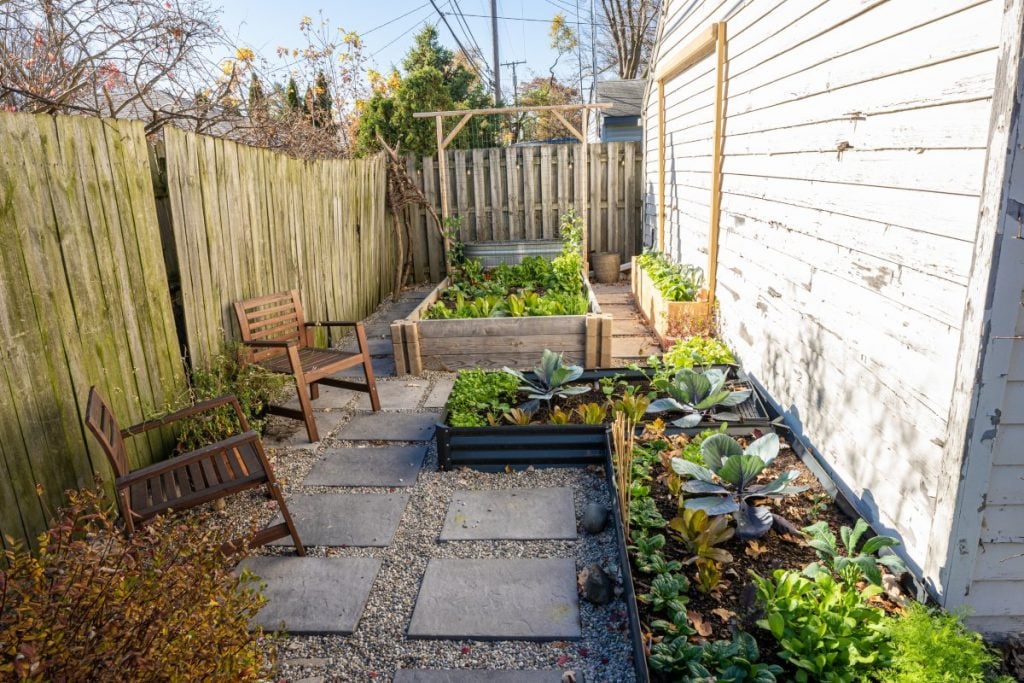
By choosing crops that mature at different rates and replanting as soon as space becomes available, you’ll keep your garden productive all season.
Tips for Adapting Your Plan Throughout the Season
Even the best-laid plans need adjustments. Weather, pests, and unexpected events can impact your garden’s productivity. Here are some ways to stay flexible:
- Monitor growth regularly and re-seed as soon as a crop is harvested.
- Use containers and grow bags to move plants in and out as needed, making room for new plantings.
- Start seedlings indoors to have replacements ready for quick turnover.
- Try interplanting—grow fast crops like radishes alongside slower ones like carrots to maximize each square foot.
- Keep a simple journal or digital note of what you plant and when, so you can refine your schedule each year.
If you’re new to the concept of homesteading or want to learn more about the broader philosophy, check out this comprehensive explanation of homesteading for background and inspiration.
Common Mistakes to Avoid in Small-Space Gardening
To get the most from your small-space planting schedules, steer clear of these frequent pitfalls:
- Overcrowding: Planting too densely can stunt growth and increase disease risk. Follow recommended spacing, even in containers.
- Ignoring crop rotation: Replanting the same family in the same spot can lead to pest and disease buildup.
- Poor timing: Missing planting windows can result in missed harvests. Use reminders or a calendar to stay on track.
- Neglecting soil health: Refresh potting mix, add compost, and fertilize regularly to keep plants thriving.
- Forgetting to plan for shade: Tall plants can block sunlight from smaller crops. Arrange plantings to optimize light for all.
Frequently Asked Questions
How do I start a planting schedule for a small balcony or patio?
Begin by listing the crops you want to grow and their ideal planting times based on your local climate. Use containers or grow bags to maximize flexibility. Start with fast-growing greens and herbs, then add compact fruiting plants as space allows. Track your plantings on a calendar or spreadsheet for easy reference.
What are the best tools for managing small-space gardens?
Essential tools include quality containers or raised beds, hand trowels, pruners, and watering cans. Consider investing in LED grow lights for indoor starts and a soil thermometer to monitor conditions. Fabric grow bags are especially useful for their portability and drainage.
Can I use succession planting in containers?
Absolutely. Once a crop is harvested, refresh the soil and plant a new crop in the same container. Choose quick-maturing varieties for the first round, followed by slower crops or those suited for cooler weather later in the season.
How can I prevent pests in a small garden?
Monitor plants regularly, use row covers or netting, and practice crop rotation. For more detailed advice, refer to how to manage pests in small gardens for natural and effective solutions.