Keeping pests under control is one of the biggest challenges for gardeners working with limited space. When every square foot counts, even a minor infestation can quickly damage your crops or flowers. Fortunately, there are effective and eco-friendly ways to protect your plants without relying on harsh chemicals. This guide explores practical, natural techniques for minimizing pest problems in compact gardens, helping you maintain a healthy, productive growing space.
Whether you’re growing vegetables on a balcony, tending raised beds in a backyard, or experimenting with small-space vertical farming, understanding how to keep unwanted insects and critters at bay is essential. By using a combination of observation, prevention, and targeted natural solutions, you can enjoy a thriving garden with fewer pest headaches.

Understanding Common Pests in Compact Gardens
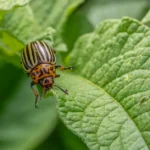
Small gardens often attract a variety of pests, from aphids and spider mites to slugs and caterpillars. Because space is limited, infestations can spread rapidly and cause significant damage before you notice. Early detection and identification are crucial. Inspect your plants regularly, especially the undersides of leaves and stems, for signs of trouble such as holes, sticky residue, or discolored spots.
Some of the most frequent offenders in small spaces include:
- Aphids: Tiny, soft-bodied insects that cluster on new growth and suck sap from plants.
- Spider mites: Microscopic pests that cause stippling and webbing on leaves.
- Slugs and snails: Mollusks that chew holes in leaves and fruit, especially in moist conditions.
- Caterpillars: Larvae of moths and butterflies that can defoliate plants quickly.
- Whiteflies: Small, white, flying insects that feed on plant juices and transmit diseases.
Recognizing which pests are present will help you choose the most effective natural control methods.
Prevention: The First Step in Natural Pest Control
The best way to keep pest populations low is to make your garden less inviting to them in the first place. Healthy, resilient plants are less likely to suffer serious damage. Here are some proven preventive strategies:
- Choose resistant varieties: Select plant types known for their pest resistance.
- Rotate crops: Avoid planting the same family of vegetables in the same spot year after year.
- Encourage biodiversity: Mix flowers, herbs, and vegetables to attract beneficial insects and confuse pests.
- Practice good sanitation: Remove dead leaves, fallen fruit, and plant debris that can harbor pests.
- Use quality soil: Healthy soil supports vigorous plants. For tips, see small-space soil preparation tips.
Physical barriers can also be highly effective. Floating row covers, mesh netting, and collars around stems can block pests from reaching your plants without chemicals.

Natural Solutions for Managing Pests in Small Spaces
When prevention isn’t enough, there are several natural remedies to address pest outbreaks. These methods are safe for people, pets, and pollinators, making them ideal for home gardens:
- Hand-picking: For larger pests like caterpillars and slugs, simply remove them by hand and dispose of them away from your garden.
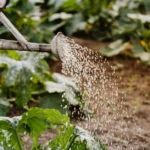
- Water sprays: A strong jet of water can dislodge aphids, spider mites, and whiteflies from plant surfaces.
- Homemade sprays: Solutions made from mild soap and water or diluted neem oil can help control soft-bodied insects. Always test on a small area first.
- Beneficial insects: Attract or introduce ladybugs, lacewings, and predatory mites, which feed on common garden pests.
- Mulching: Organic mulch can deter slugs and help maintain soil moisture, reducing plant stress.
For more ideas on maximizing your growing area while minimizing pest issues, explore how to use raised beds in small spaces.
Integrated Pest Management for Small Gardens
Integrated Pest Management (IPM) is a holistic approach that combines multiple strategies to keep pest populations below damaging levels. In small gardens, IPM focuses on monitoring, prevention, and targeted intervention. Here’s how to apply these principles:
- Monitor regularly: Check your plants at least twice a week for early signs of pest activity.
- Identify accurately: Know which pests are present and whether they pose a real threat.
- Act appropriately: Use the least disruptive method first—physical removal, barriers, or natural sprays—before escalating to stronger measures.
- Encourage beneficials: Provide habitat for natural predators by planting diverse flowers and avoiding broad-spectrum insecticides.
By integrating these steps, you can maintain a balanced ecosystem even in a limited space.

Additional Tips for Sustainable Pest Control
Consistency is key to keeping pest issues under control. Here are a few more suggestions for sustainable management:
- Water early in the day to reduce humidity at night, making conditions less favorable for slugs and fungal diseases.
- Companion planting can deter certain pests. For example, marigolds may repel nematodes and aphids.
- Compost wisely: Use well-decomposed compost to avoid attracting pests. Learn more in the small-space worm composting guide.
- Keep records of pest occurrences and what worked to control them. This helps you refine your approach each season.
For those interested in maximizing yields in limited areas, how to start a balcony garden offers more insights into small-space gardening success.
If you’re curious about what’s possible on a small homestead, this overview of small homestead possibilities provides inspiration and practical advice for making the most of limited space.
Frequently Asked Questions
What are the safest ways to control pests in a small vegetable garden?
The safest methods include hand-picking insects, using physical barriers like row covers, and applying homemade sprays made from mild soap or neem oil. Encouraging beneficial insects and maintaining healthy soil also help keep pest populations in check.
How often should I check my small garden for pest problems?
Inspect your plants at least twice a week, focusing on new growth and the undersides of leaves. Early detection allows you to address issues before they become severe.
Can I use companion planting to reduce pests?
Yes, companion planting is an effective natural strategy. Certain plants, such as marigolds, basil, and nasturtiums, can help deter common pests and attract beneficial insects to your garden.