Enjoying fresh, homegrown berries is possible even if you have limited outdoor area or only a balcony to work with. With the right approach, you can cultivate strawberries, blueberries, raspberries, and other favorites in containers, raised beds, or vertical setups. This guide will walk you through practical steps and tips for how to grow berries in small spaces, ensuring you get the most from every square foot.
Whether you’re working with a patio, a tiny yard, or an apartment balcony, you’ll find that berries are among the most rewarding crops for compact gardening. By choosing suitable varieties and using smart techniques, you can enjoy a steady supply of fresh fruit throughout the growing season. For even more ideas on maximizing your harvest, check out resources like small-space vertical farming for home growers.
Choosing the Right Berries for Limited Areas
Not all berry plants are equally suited for compact environments. When selecting what to grow, focus on varieties that thrive in containers or small raised beds. Some of the best options include:
- Strawberries: These are ideal for pots, hanging baskets, and vertical towers. Look for everbearing or day-neutral types for a longer harvest window.
- Blueberries: Dwarf cultivars such as ‘Top Hat’ or ‘Jelly Bean’ are bred for container growth and produce full-sized fruit.
- Raspberries: Choose compact or bush-type varieties like ‘Raspberry Shortcake’ that don’t require trellising.
- Blackberries: Thornless, dwarf blackberries can be grown in large pots or small beds.
- Gooseberries and Currants: These shrubs adapt well to containers and offer unique flavors.
When space is tight, prioritize plants with a compact growth habit and those that don’t need extensive support structures. If you’re interested in maximizing every inch, how to use raised beds in small spaces offers additional strategies for efficient planting.
Container Gardening for Berries
Growing berries in pots or grow bags is one of the most effective ways to cultivate fruit in confined areas. Here’s how to get started:
- Choose the Right Container: Use pots at least 12–18 inches deep for strawberries and 16–24 inches for blueberries and raspberries. Ensure containers have drainage holes to prevent root rot.
- Soil Mix: Fill containers with a high-quality potting mix. Blueberries require acidic soil (pH 4.5–5.5), so use a mix formulated for acid-loving plants.
- Location: Place containers where they’ll receive at least 6–8 hours of sunlight daily. Balconies, patios, and sunny windowsills are all suitable.
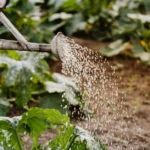
- Watering: Berries in containers dry out faster than those in the ground. Check moisture regularly and water deeply when the top inch of soil feels dry.
- Fertilizing: Use a balanced, slow-release fertilizer or one tailored for fruiting plants. Blueberries benefit from fertilizers designed for azaleas or rhododendrons.
Vertical and Raised Bed Solutions for Berry Plants
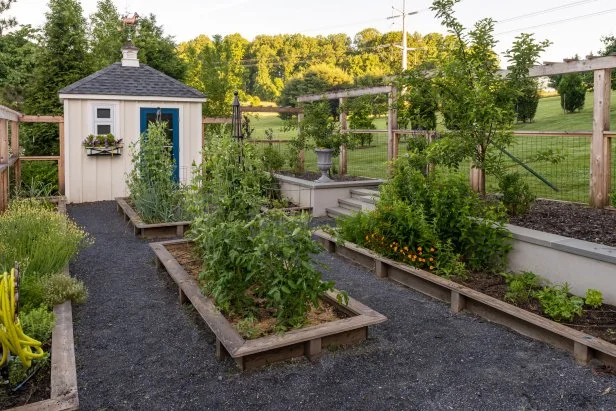
When horizontal space is scarce, vertical gardening and raised beds can dramatically increase your berry yield. Here are some methods to consider:
- Vertical Towers: Stackable planters or strawberry towers allow you to grow dozens of plants in the footprint of a single pot. These work well for strawberries and some dwarf blueberries.
- Wall-Mounted Planters: Use pocket planters or wall-mounted containers to grow berries up fences or balcony railings.
- Raised Beds: Even a small raised bed (2×4 feet) can accommodate several berry bushes. Raised beds offer better soil control and drainage, which is especially important for blueberries.
- Trellised Raspberries: Compact raspberry varieties can be grown against a wall or fence with minimal support, keeping fruit off the ground and saving space.
For more on maximizing raised bed productivity, see how to use raised beds in small spaces. Vertical gardening is also covered in depth in our article on small-space vertical farming.

Soil, Water, and Light Requirements for Compact Berry Gardens
To ensure your berry plants thrive in a limited area, pay close attention to soil quality, watering, and lighting:
- Soil Preparation: Use a loose, well-draining mix. For best results, incorporate organic matter such as compost. For more detailed tips, see our guide on small-space soil preparation tips.
- Watering Practices: Berries need consistent moisture, especially in containers. Avoid letting the soil dry out completely, but don’t allow water to pool at the roots.
- Sunlight: Most berry plants require at least 6 hours of direct sunlight per day. If your space is shaded, consider using LED grow lights to supplement natural light.
- Mulching: Add a layer of straw or bark mulch to help retain moisture and suppress weeds.
Maintenance and Harvesting Tips in Small Gardens
Keeping your berry plants healthy and productive in a compact setting involves a few key maintenance tasks:
- Pruning: Remove dead or overcrowded stems to encourage airflow and fruit production. For strawberries, trim runners unless you want new plants.
- Fertilizing: Apply a balanced fertilizer during the growing season, following package instructions for container-grown plants.
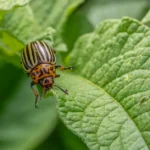
- Pest Management: Watch for common pests like aphids, spider mites, and slugs. Use organic controls or physical barriers as needed.
- Harvesting: Pick berries as soon as they ripen for the best flavor. Regular harvesting encourages more fruit production.
With proper care, even a small collection of containers or a single raised bed can yield impressive amounts of fruit. For those starting from scratch, how to start a balcony garden provides step-by-step advice for beginners.
Getting Started with Berry Gardening in Tight Spaces
Before planting, take time to plan your layout and choose the best varieties for your environment. Consider these additional tips:
- Start with healthy, disease-free plants from a reputable nursery.
- Group containers by sunlight needs and water requirements for easier care.
- Label each plant to track varieties and harvest times.
- Experiment with succession planting for a longer harvest season.
For those interested in a holistic approach to self-sufficiency, homesteading for beginners offers foundational principles that can be applied to any scale of gardening.
Frequently Asked Questions
What are the best berry varieties for container gardening?
Dwarf and compact varieties such as ‘Top Hat’ blueberries, ‘Raspberry Shortcake’ raspberries, and everbearing strawberries are excellent choices for pots and small raised beds. These types are bred for limited root space and still produce abundant fruit.
How much sunlight do berry plants need in small gardens?
Most berries require at least 6–8 hours of direct sunlight daily. If your space is shaded, supplement with LED grow lights to ensure healthy growth and fruiting.
How can I improve soil quality for berries in containers?
Use a high-quality potting mix with added compost or organic matter. For blueberries, ensure the soil is acidic (pH 4.5–5.5). Regularly refresh the top layer with compost and monitor drainage to prevent root rot.
Can I grow multiple types of berries together in one container?
It’s possible to grow different berries together if their soil and water needs are compatible. However, for best results and to avoid overcrowding, plant each type in its own container or provide enough space in a larger raised bed.