Growing food or flowers in compact areas requires a thoughtful approach to soil management. Whether you’re working with a balcony, a tiny backyard, or a few raised beds, the quality of your soil will directly impact your harvest. With the right small-space soil preparation tips, you can maximize productivity and ensure your plants thrive, even when space is limited.
This article covers practical methods for improving soil in tight quarters, including container and raised bed strategies, composting, and selecting the best amendments. If you’re new to urban or homestead gardening, or simply want to boost your yields, these techniques will help you get the most from every square foot.
For those interested in sustainable living and maximizing limited growing areas, learning about homesteading principles can provide valuable context and inspiration. If you want to avoid common pitfalls, check out these small-space gardening mistakes to avoid for even more guidance.
Understanding Soil Needs in Compact Gardens
In small gardens, every inch counts. The soil must be rich, well-draining, and full of nutrients to support healthy plant growth. Unlike larger plots, there’s less room for error, so it’s essential to start with a solid foundation. Here are some key considerations:
- Soil Structure: Good structure ensures roots can access water and air. Avoid heavy, compacted soils.
- Nutrient Content: Limited space means limited resources. Regularly replenish nutrients with compost or organic fertilizers.
- Drainage: Excess water can quickly drown roots in containers or raised beds. Use well-draining mixes and monitor moisture.
If you’re growing indoors or on patios, review these small-space indoor gardening tips to further optimize your setup.
Choosing the Right Soil Mix for Containers and Beds
Selecting or creating the ideal soil blend is one of the most important small-space soil preparation tips. Store-bought potting mixes are convenient, but you can often improve them by adding organic matter or minerals.
- Container Gardens: Use a high-quality potting mix with added compost and perlite or vermiculite for drainage.
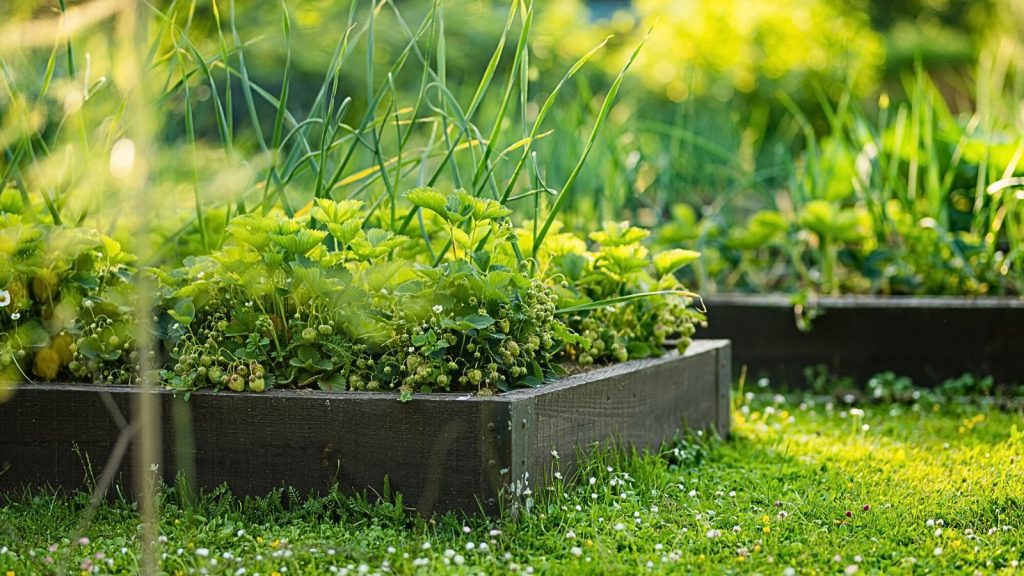
- Raised Beds: Combine topsoil, compost, and aged manure. Aim for a loose, crumbly texture that retains moisture but drains well.
- Amendments: Consider adding worm castings, coconut coir, or biochar to boost fertility and water retention.
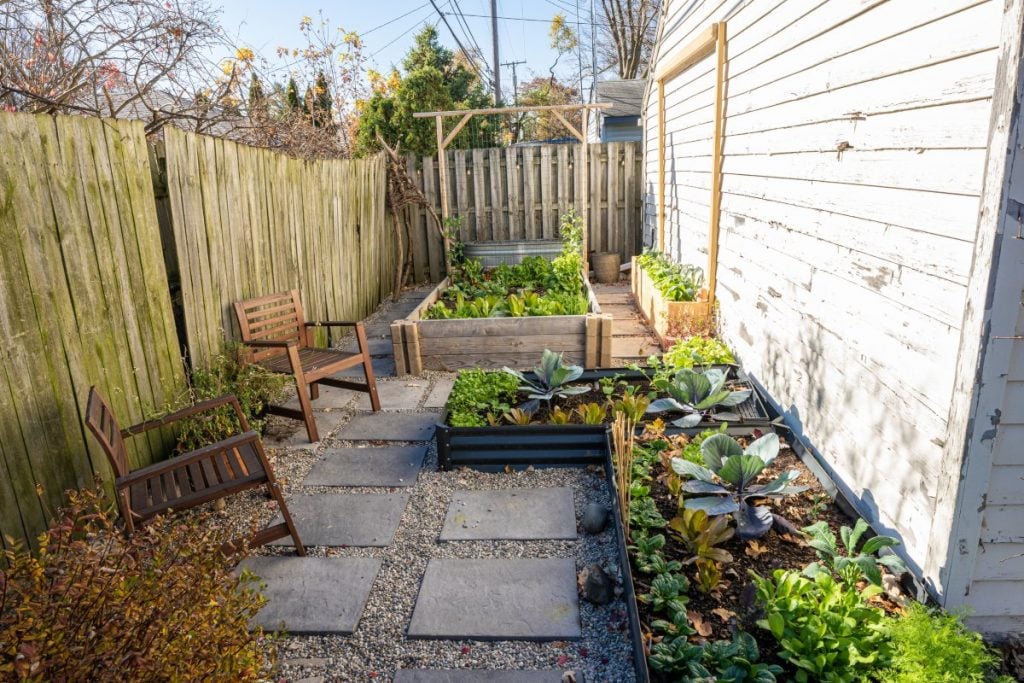
Composting and Organic Matter for Small Spaces
Adding organic matter is one of the most effective ways to boost soil health. Even in small areas, you can create compost or use kitchen scraps to enrich your growing medium. If you’re worried about odors or pests, learn how to compost in apartments without smell for a clean and efficient solution.
- Vermicomposting: Worm bins fit under sinks or on balconies and produce nutrient-rich castings.
- Bokashi: This method ferments food waste and is ideal for tight quarters.
- Leaf Mold: Collect fallen leaves, keep them moist, and let them break down for a simple soil conditioner.
Regularly adding compost improves soil structure, increases microbial activity, and provides a slow-release source of nutrients—crucial for high-intensity planting in limited spaces.
Efficient Soil Preparation Techniques for Maximum Yields
To get the most from your compact garden, focus on these proven preparation methods:
- Double Digging: For raised beds, loosen soil to a depth of 12–18 inches to promote deep root growth. This method is labor-intensive but pays off with healthier plants.
- Layering (Lasagna Gardening): Alternate layers of compost, straw, and soil to create a nutrient-rich bed that breaks down over time.
- Mulching: Apply a 2–3 inch layer of organic mulch to retain moisture, suppress weeds, and add nutrients as it decomposes.
- Crop Rotation: Even in small plots, rotating crops each season helps prevent soil-borne diseases and balances nutrient use.
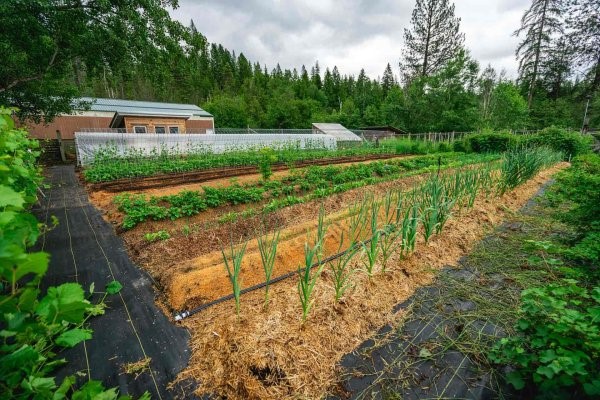
Optimizing Soil for Specific Crops in Limited Areas
Different plants have unique requirements, and tailoring your soil preparation can make a big difference. For example:
- Leafy Greens: Prefer nitrogen-rich soils. Add extra compost or a balanced organic fertilizer.
- Root Vegetables: Need loose, stone-free soil for straight growth. Sift soil and add sand if necessary.
- Herbs: Many thrive in slightly leaner, well-drained soils. Avoid over-fertilizing to maintain flavor.
If you’re interested in culinary plants, see these tips on how to start a small herb garden anywhere for more inspiration.
Maintaining Healthy Soil Throughout the Season
Soil health is an ongoing process. In small spaces, nutrients are used up quickly, and compaction can become a problem. Here’s how to keep your soil productive:
- Top-Dress with Compost: Add a thin layer every few weeks to replenish nutrients.
- Monitor pH: Use a simple test kit to ensure your soil stays in the optimal range for your crops.
- Avoid Overwatering: Too much water can leach nutrients and cause root rot, especially in containers.
- Encourage Beneficial Microbes: Use compost teas or inoculants to boost soil life and resilience.
For those looking to grow nutritious greens year-round, check out this guide on how to grow microgreens indoors for additional ideas.
Frequently Asked Questions
What is the best soil mix for small containers?
A blend of high-quality potting soil, compost, and perlite or vermiculite works well for most container gardens. This combination ensures good drainage, aeration, and nutrient availability.
How often should I amend soil in raised beds?
In intensive small gardens, it’s best to add compost or organic matter at least once per season, and top-dress with additional nutrients every few weeks during active growth.
Can I reuse soil from last year’s pots?
Yes, but it’s important to refresh it by removing old roots, adding fresh compost, and checking for pests or diseases. Rotating crops and using organic amendments can help maintain soil health over time.